
I’ve been baking with my sourdough starter for more than 9 years and teaching others to do so for nearly as long, but there’s always so much more to learn. So I was excited for the opportunity to research, write, and now share a sourdough guide on The Old Farmer’s Almanac website based on historical sourdough recipes from their archive.
This guide includes instructions for making a sourdough starter from scratch, which was a new project for me. I was gifted my existing sourdough starter in May 2014, and I’ve been baking with it, and sharing it with hundreds of people, ever since. The Beginner Sourdough Starter in the guide, which I based on archival recipes, is also fed and maintained a little differently from how I manage my established starter, which may appeal to sourdough bakers who don’t want to buy a kitchen scale or weigh out ingredients in grams. The four recipes in the guide use this scratch-made sourdough starter in quick breads and even a crusty white loaf.
Learn more about making and using sourdough starter in the guide.
 Make it, share it.
Tag @twiceastastyblog and #twiceastastyblog
Twice as Tasty
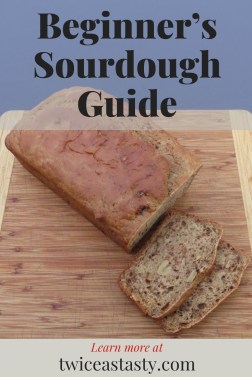 The sourdough guide on the Old Farmer’s Almanac website is packed with information for beginners and experienced sourdough bakers. In it you’ll find:
- A brief history of sourdough baking in America
- The basic sourdough stages
- Step-by-step instructions for making a sourdough starter from scratch
- Care and maintenance tips
- Recipes for sourdough pancakes, coffee cake, quick bread, and baguettes
You’ll find a few key differences between the sourdough starter and recipes in this guide and the recipes here on the blog that use the starter I have given away annually:
- Hydration level. I maintain my 9-year-old starter at a 100% hydration level, which means I feed it equal parts flour and water by weight. All Twice as Tasty sourdough recipes are designed for this hydration level and may not produce the same results if you feed your starter differently. The sourdough starter you can create using the Old Farmer’s Almanac guide will be a 200% hydration starter because it is fed equal parts flour and water by volume.
- Grams versus cups. I’ve found it easiest and most accurate to measure all of the ingredients in my sourdough recipes in grams. The recipes from the Old Farmer’s Almanac archives instead use U.S. customary measurements: cups, tablespoons, etc. Both are effective, but you may find your loaves vary more widely when measuring in cups.
- Additional leavening agents. Most Twice as Tasty sourdough recipes rely solely on sourdough starter for their rising power. The recipes from the Old Farmer’s Almanac archives all add baking powder and soda or yeast for an extra boost. Both approaches produce tasty sourdough-based creations, but you may find some texture and flavor differences.
- Fermentation time. I generally prefer long fermentation times, which help bread rise, maximize the sour flavor, and break down the elements in flour that some people struggle to digest. Sourdough recipes that include baking powder and soda—including the Sourdough Pancakes, Streusel Coffee Cake, and Applesauce Walnut Bread in the Old Farmer’s Almanac guide—simply use the sourdough for flavor and have no fermentation time. This makes them great for a quick bake and a good place to use either fully active or “discard” sourdough starter.
- Dormant time. Part of the reason I recommend a 100% hydration starter is that I’ve found it is forgiving of being ignored and neglected. I found my new 200% hydration starter harder to leave for weeks in the fridge between baking sessions. This more liquid starter quickly ate through all of its food (flour) and needed to be fed more frequently than my long-established starter, which slowly “digests” the greater portion of flour it gets every feeding; it can even dry out for months between sessions and be brought back to life. So if you decide to maintain a 200% hydration starter, I recommend using it weekly to keep it happy and healthy.
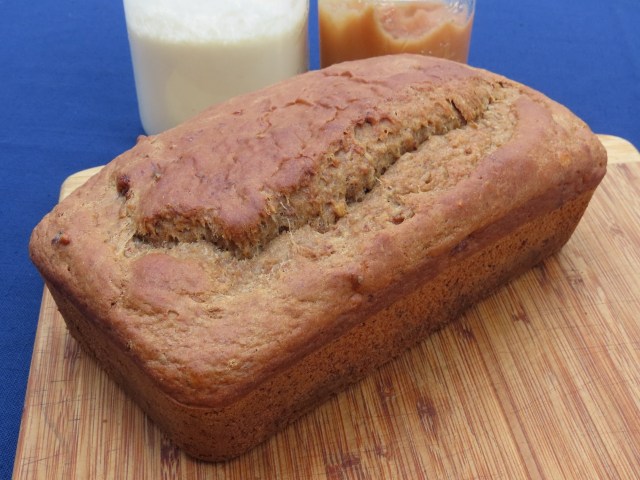
The Old Farmer’s Almanac archived recipes baked with my new 200% hydration starter were delicious, including the Applesauce Walnut Bread loaf shown in this post. Whether you want to make your own sourdough starter from scratch, bake some historical recipes, or just learn more about sourdough, check out the sourdough guide. If you’re looking for tasty cheese to serve with your sourdough loaves, you can also find my basic cheese guide on the Old Farmer’s Almanac website.
If you already have a 100% hydration sourdough starter, you can find recipes that use it in the recipe index. Read more of my work off the blog here.
Want more Twice as Tasty recipes? Get my books! Click here to order a personally signed, packaged, and shipped copy of The Complete Guide to Pickling directly from me. I also share tasty ways to use pickles in The Pickled Picnic; it’s only available here.
Discover more from Twice as Tasty
Subscribe to get the latest posts sent to your email.
