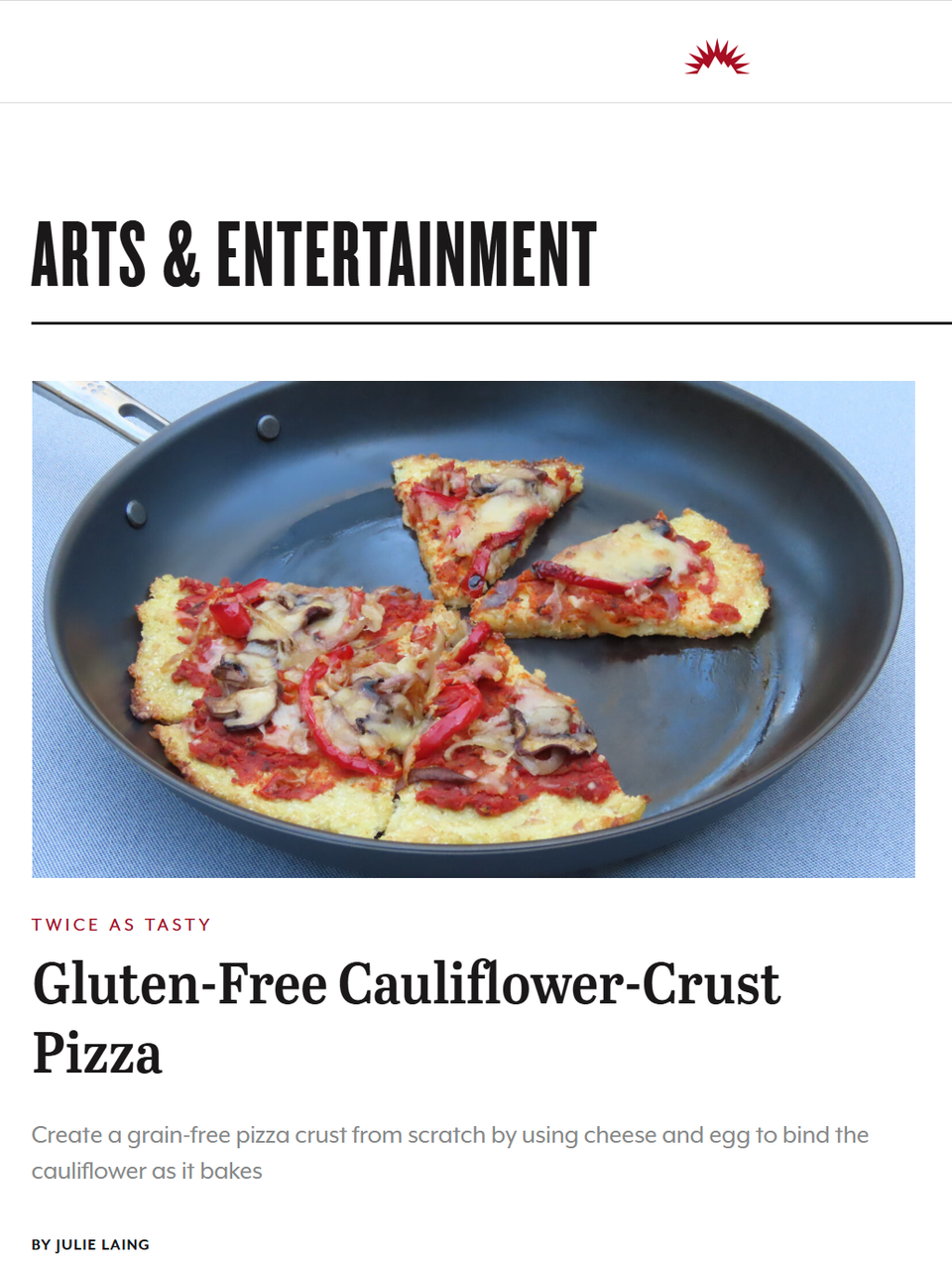
I developed a cauliflower pizza crust when my mom was limiting her gluten intake, not because I expected to add it to my personal meal plan. But every time I make this recipe for others, whether they have issues with gluten or not, I get such positive feedback that it’s worth pulling out. Even those I’ve previously impressed with my Sourdough Pizza Dough, whether baked for a pizza party, grilled on a sailing night, or taught in a sourdough workshop, comment on how the grain-free cauliflower crust has an unexpected and appealing lightness.
Along with the cauliflower pizza crust recipe that I share this week in my Twice as Tasty column for the Flathead Beacon, I offer a few tips to set you up for success. In my own oven and favorite cast-iron skillet, I have no problem creating a crisp crust—as long as I break down the cauliflower until it has a fine texture, squeeze out excess moisture, and preheat the pan before baking. But I sometimes get softer results in an unfamiliar oven or pan. Fortunately, there’s an easy fix, as I explain here.
Learn more about pizza crust alternatives and get the complete recipe for Gluten-Free Cauliflower-Crust Pizza in my column.
 Make it, share it.
Tag @twiceastastyblog and #twiceastastyblog
Twice as Tasty
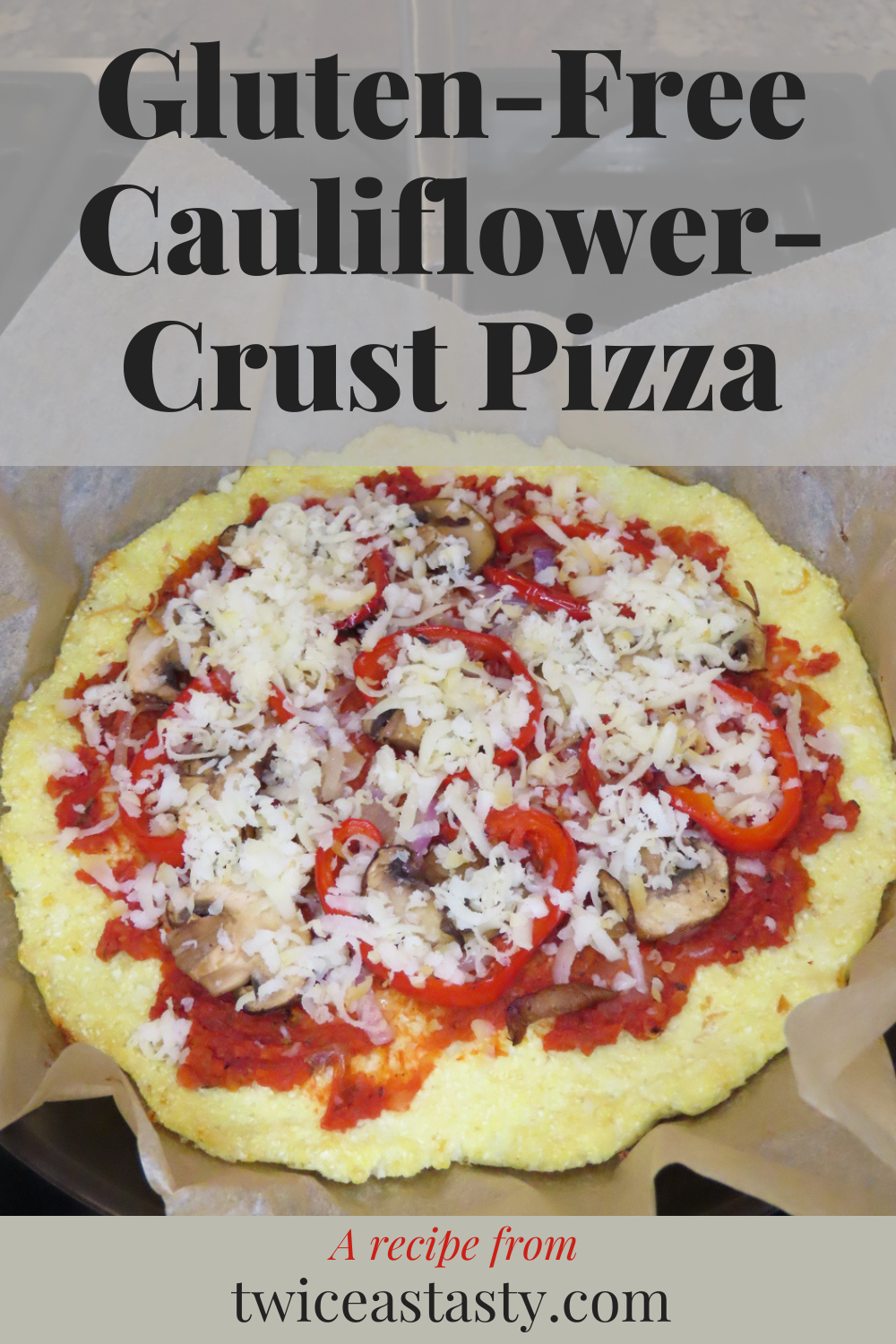 I use a layer of parchment between a cauliflower crust and the pan for easy shaping and safer transfer into the piping-hot skillet. But in some pans, the paper holds in moisture as the crust bakes, especially if the oven runs cooler than expected. This happened on my last bake in an unfamiliar oven and a carbon steel pan I was testing for the Kitchn. When I slid the finished, fully topped pizza from the pan, I noticed beads of moisture on the parchment.
The fix was effortless and simple because of the pizza’s fairly thick and firm crust. I had no problem lifting the pizza in its parchment cradle and tilting until it slid off the paper into the pan. A few extra minutes of baking in the still-hot skillet evenly crisped the base. Reheating leftovers in the same way, directly in the preheated pan, restored that crispness after the slices sat overnight in the fridge.
As with thin-crust sourdough pizza, a light hand with toppings further minimizes moisture when baking a cauliflower crust. But as my sourdough workshop students learn, such pizza can be loaded with flavor and anything but boring. I lightly layer grilled or sautéed vegetables, fresh greens, and pickled foods in irresistible combinations.
Here are just a few of my favorite homemade toppings for any type of pizza. You can find more in the recipe index.
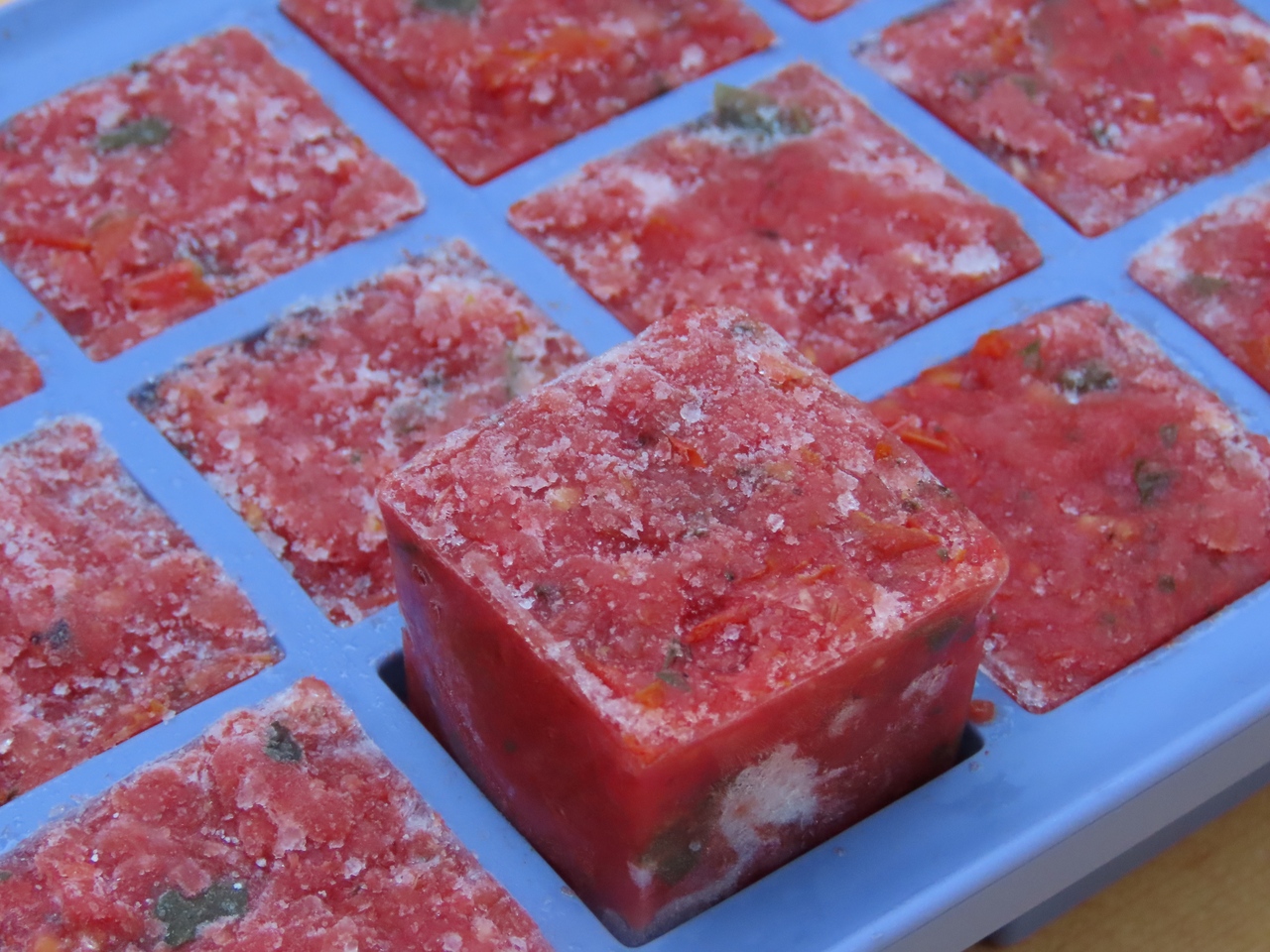
- Grilled Tomato Pizza Sauce
- Garden-Fresh Basil Pesto
- Roasted Peppers
- Apple-Sweetened Yellow Onions
- Wild Mushrooms
- Home-Smoked Cheese
Leftover grilled and sliced vegetables make particularly delicious pizza toppings. You can also learn more about choosing grilling vegetables in this blog post.
Want more Twice as Tasty recipes? Get my books! Click here to order a personally signed, packaged, and shipped copy of The Complete Guide to Pickling directly from me. I also share tasty ways to use pickles in The Pickled Picnic; it’s only available here.
Discover more from Twice as Tasty
Subscribe to get the latest posts sent to your email.
