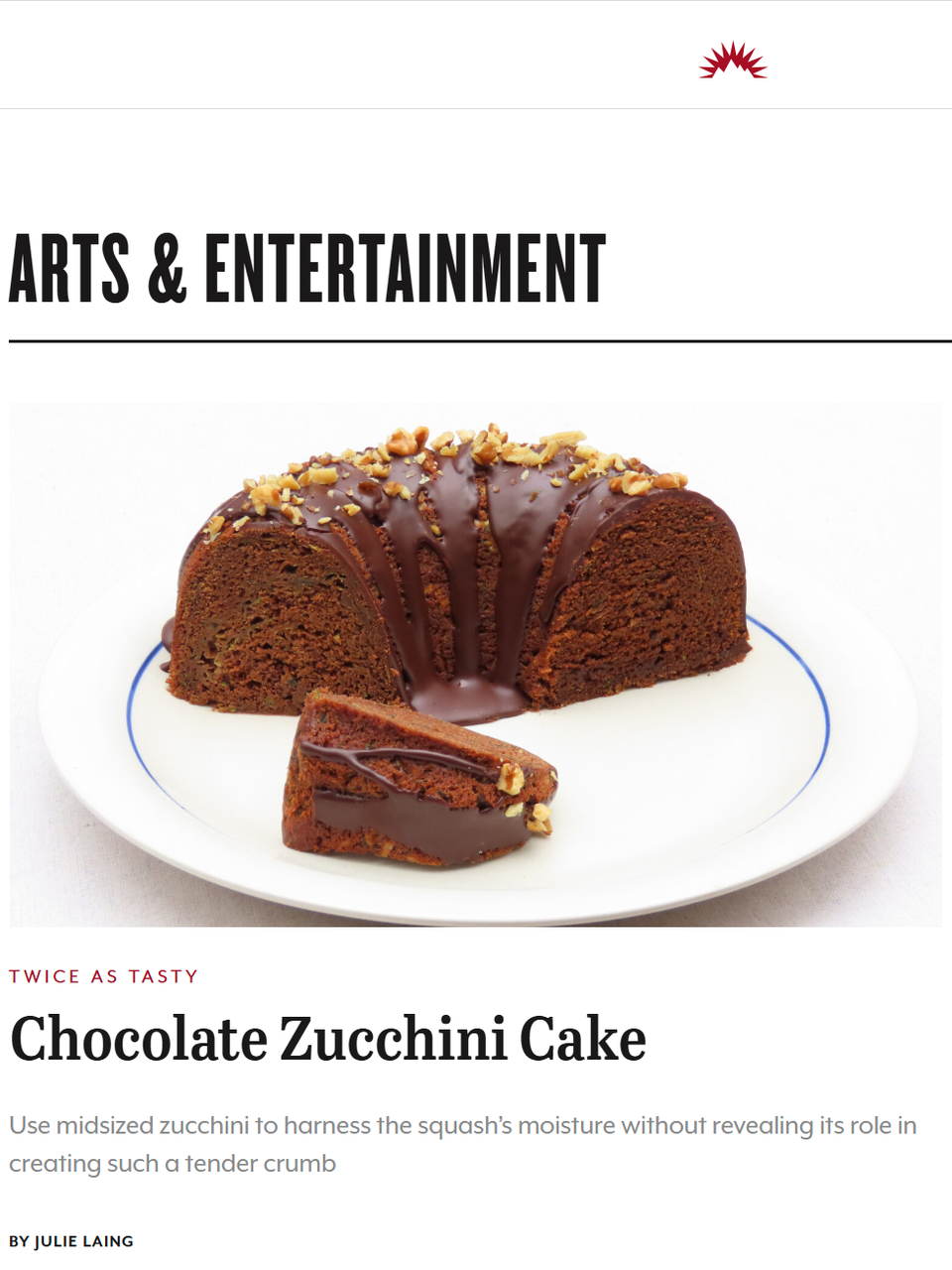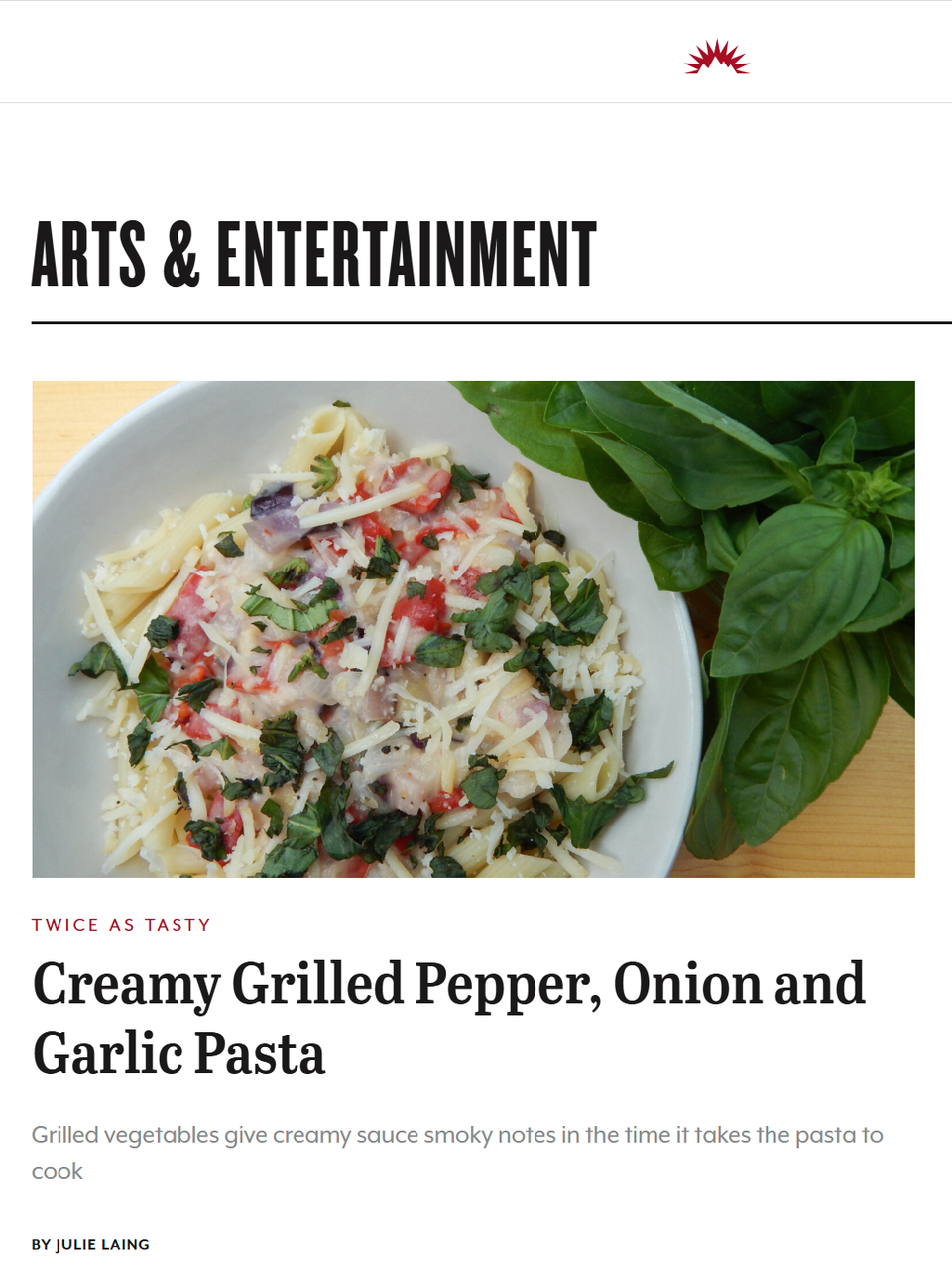

Potato and Lemon Cheese Pierogi

Pierogi dough is simple, but assembly takes time. Set aside enough to go from start to finish or spread it out over a couple of days. Learn more at TwiceasTasty.com.
I ate pierogi often as I traveled and lived in Eastern Europe and Russia, and I love having homemade batches in my Montana freezer that I can pull out and throw straight into a frying pan for a quick meal. The dumpling dough recipe I share this week in my Twice as Tasty column for the Flathead Beacon uses just a few kitchen staples. The hot water and oil help to slow gluten development, and the ice water helps to keep the dough light and not too soft to roll out.

Although the dough is simple, pierogi assembly takes time, so I typically make a double batch and freeze most of the dumplings. I either set aside a few hours to prepare multiple fillings and the dough from start to finish or spread out the project over a couple of days. Pierogi dough keeps well for 2 to 3 days in the fridge; just let it come to room temperature before you roll it out. Most fillings can be refrigerated for up to 3 days before they should be used, and cold ones are often easier to work with than those that are still warm and saucy. Crimping or rolling the edges gives them a hand-shaped look, but a dumpling press speeds up this stage.
Learn to make Potato and Lemon Cheese Pierogi

Rustic Lemon Cheese Mashed Potatoes

The ability of a homemade high-heat, acid-set cheese to retain its shape, hot or cold, makes it my favorite addition on and in many dishes. Learn more at TwiceasTasty.com.
After I started this month by explaining how to make an easy cheese at home, I wanted to offer plenty of ideas for using it. The recipe I share this week in my Twice as Tasty column for the Flathead Beacon is both straightforward and versatile. It mixes fresh, homemade Lemon Cheese into basic mashed potatoes for a simple and flavorful side dish.

As I explain in my column, I intentionally leave these mashed potatoes relatively dry so that they work well as a filling for pierogi, a recipe I’ll share in next week’s column. Even though you could mix other cheeses, store-bought or homemade, into a side dish of mashers, my lemony version of farmer’s cheese doesn’t completely melt when heated and won’t become oily and ooze from a pierogi wrapper. This ability to retain its shape, hot or cold, makes this cheese my favorite addition on and in many other dishes.
Learn to make Rustic Lemon Cheese Mashed Potatoes

Lemon Cheese

You only need three ingredients and 20 minutes of hands-on time to make lemon (aka farmer’s) cheese, and just a few specific tools and ingredients help. Learn more at TwiceasTasty.com.
For the first time, I’m sharing my homemade cheese recipes in my Twice as Tasty column for the Flathead Beacon. I’ve been making these recipes at home and teaching them in cheese-making workshops for years, and they’re tasty enough that they should be on your table too.

Cheeses run the gamut from easy and quick to complex and well aged, but the one in this week’s column is about the easiest to create. I call it lemon cheese because I use lemon juice to set the cheese curd, but it’s also known as farmer’s cheese, queso blanco, and paneer. You only need three ingredients and 20 minutes of hands-on time to make this cheese, and just a few specific tools and ingredients: a large kettle, finely woven cheesecloth, an instant-read thermometer, and ideally nonhomogenized milk.

Learn to make Lemon Cheese

Veggie-Stuffed Three-Egg Omelet

American-style omelets are essentially protein-packed vehicles for many ingredients: spring herbs and greens, fridge leftovers, and test runs of unusual combinations. Learn more at TwiceasTasty.com.
I’ve been sharing gluten-free recipes all this month in my Twice as Tasty column for the Flathead Beacon. The first three put a gluten-free spin on meals that many people make with wheat flour and other grains, swapping in cauliflower for Gluten-Free Cauliflower-Crust Pizza, certified gluten-free oats for Gluten-Free, Nut-Free Granola, and a naturally gluten-free grain for a steaming bowl of Buckwheat Porridge with Mushrooms and Eggs. But I make plenty of filling recipes that never raised the gluten flag, including the omelet recipe I share this week.

As I explain in my column, I see American-style omelets as essentially protein-packed vehicles for many ingredients: the first herbs and greens popping up in the garden, dibs and dabs from the fridge, and unusual combinations I might want to sample together before I make them the stars of a main dish. It doesn’t take much to fill a three-egg omelet; just 1/2 cup of bulky ingredients fits nicely into the elegant package without bursting its seams.
Learn to make Veggie-Stuffed Three-Egg Omelet

Gluten-Free Cauliflower-Crust Pizza

Grain-free cauliflower crust has an unexpected and appealing lightness, and a few tips set you up for success. Learn more at TwiceasTasty.com.
I developed a cauliflower pizza crust when my mom was limiting her gluten intake, not because I expected to add it to my personal meal plan. But every time I make this recipe for others, whether they have issues with gluten or not, I get such positive feedback that it’s worth pulling out. Even those I’ve previously impressed with my Sourdough Pizza Dough, whether baked for a pizza party, grilled on a sailing night, or taught in a sourdough workshop, comment on how the grain-free cauliflower crust has an unexpected and appealing lightness.

Along with the cauliflower pizza crust recipe that I share this week in my Twice as Tasty column for the Flathead Beacon, I offer a few tips to set you up for success. In my own oven and favorite cast-iron skillet, I have no problem creating a crisp crust—as long as I break down the cauliflower until it has a fine texture, squeeze out excess moisture, and preheat the pan before baking. But I sometimes get softer results in an unfamiliar oven or pan. Fortunately, there’s an easy fix, as I explain here.
Learn to make Gluten-Free Cauliflower-Crust Pizza

Gluten-Free, Nut-Free Granola

My granola recipe that avoids many common allergens shows just how easily you can adjust ingredients to suit your diet and preferences. Learn more at TwiceasTasty.com.
I comfortably admit that I’m a granola girl—regardless social connotations that have been attached to that phrase. I eat homemade granola almost daily in summer, scooped over Homemade Small-Batch Yogurt and barely visible beneath a mound of fresh homegrown berries. In winter, I flavor the yogurt with homemade jams. In summer, I make granola in a food dehydrator, letting its aroma fill my mudroom without heating up the whole house, but I sometimes pop it in the oven in winter when I want that extra warmth.

The adaptability of homemade granola extends beyond add-ins and prep methods, as I explain this week my Twice as Tasty column for the Flathead Beacon. The recipe I share there avoids many common allergens, with replacements that make it nut-free, gluten-free, and vegan-friendly. It shows just how easily you can adjust granola ingredients to suit your diet and preferences.
Learn to make Gluten-Free, Nut-Free Granola

Buckwheat Porridge with Mushrooms and Eggs

This recipe fit into several recent projects: skillet testing, gluten-free cooking, and a free seasonal eating workshop. Learn more at TwiceasTasty.com.
I’ve been experimenting in the kitchen the last few weeks. An assignment for The Kitchn had me testing and reviewing 10 nonstick skillets. Musicians in town for The Swing Resistance show tonight prompted me to try gluten- and dairy-free versions of some of my favorite baked goods for their enjoyment. I’m also gearing up for tomorrow’s workshop at Free the Seeds, compiling recipes that pair seasonal produce throughout the year.

This week in my Twice as Tasty column for the Flathead Beacon, I share a recipe that fit well with all of these projects. I sautéed its onions and mushrooms in my favorite skillets. The recipe uses buckwheat, which despite its name is not wheat at all but naturally gluten-free seeds that can be substituted in many whole-grain dishes. The version in my column features vegetables I eat often during the garden’s dormant months, but I adapt it seasonally to use my fresh harvests.
Learn to make Buckwheat Porridge with Mushrooms and Eggs

Basic and Flavored Shortbread Cookies

Shortbread is a blank canvas, primed for whatever I want to throw at it, from a dip in chocolate to zesty add-ins. Learn more at TwiceasTasty.com.
I love to cook and experiment with flavors in the kitchen, so I don’t choose a minimal-ingredient recipe because it’s short and likely quick. I choose it as a blank canvas, primed for whatever I want to throw at it. That’s how I feel about the shortbread cookie recipe I share this week in my Twice as Tasty column for the Flathead Beacon.

Along with the basic recipe, I share an array of ideas for how to vary the three primary ingredients and add other flavors. Many of my suggested add-ins complement one another, so I often divide a single batch of dough into three or four rectangles and flavor each one specifically. I encourage you to expand on my ideas even further to make these cookies your own.
Learn to make Basic and Flavored Shortbread Cookies

Vegetarian Smoked-Beet Reuben

With smoked beets standing in for corned beef, this Reuben retains its classic layers of earthy rye bread, zesty dressing, puckery sauerkraut, and nutty cheese. Learn more at TwiceasTasty.com.
For most of my life, the Reuben was a sandwich I knew of but never ate, put off by the corned beef even when I was eating meat. That all changed when I was introduced to a vegetarian replacement for the core layer, as I explain this week in my Twice as Tasty column for the Flathead Beacon.

With smoked beets standing in for corned beef, this Reuben retains its classic layers of contrasting flavors: earthy rye bread, a creamy and zesty dressing, puckery sauerkraut, and nutty cheese. The beets impart their own rich smoky flavor when you make this sandwich with store-bought ingredients, but the layers taste even more delicious when you make some or all of them using recipes I’ve shared in my column and The Complete Guide to Pickling.

The Russian dressing is the easiest homemade upgrade. Despite its name, this sauce is an American invention that typically relies on ketchup and mayonnaise, spiked with horseradish. The recipe I developed—and share in this week’s column, along with other from-scratch fillings with long shelf lives—mixes the horseradish with yogurt or sour cream, vinegar, and Smoky Homemade Chili Paste for extra zing.
Learn to make Vegetarian Smoked-Beet Reuben

Tangy Pickle Dip

A dense creamy yet zesty dip and sourdough bagel chips promise to be a winning combination at your next party. Learn more at TwiceasTasty.com.
With an array of pickles and fermented foods in my refrigerator, I often find myself mixing and matching flavors. Fermented dairy and pickled vegetables pair particularly well, so I don’t think twice about combining yogurt and pickles with canned tuna for tuna salad sandwiches on homemade sourdough bread or piling pickled onions, fermented jalapenos, and sour cream on nachos. As I share this week in my Twice as Tasty column for the Flathead Beacon, pickles become even bolder when mixed with goat cheese as a dip or spread.

I prefer goat cheese to cream cheese or mayonnaise in Tangy Pickle Dip because I think it holds its own against sour fermented or vinegary fresh cucumber pickles, whereas cream cheese tends to hide in the background and mayonnaise tastes too much of egg. This is especially true when you use pickled garlic and chilies. And unlike mayonnaise, goat cheese has a density that helps it cling to my favorite pickle dip dippers: Parmesan Sourdough Bagel Chips.
Learn to make Tangy Pickle Dip