Cheese: You Can Do It!

The first thing to know about cheese making is that you can do it! Learn more at TwiceasTasty.com.
Spring is working its way into Montana. This means 4 weather cycles in a day, plenty of mud, the first harvest of walking onions, and baby animals in the barn. At the farm where I garden, two baby cows have arrived, with a third on the way. Although the mommas will keep their milk for their newborns, it always seems like the perfect time to explore home-fermented dairy and cheese.

I’ve spent little time making cheese over the past year. A year ago, I skipped my planned cheese posts to extend the sourdough giveaway and share ways to eat well when stuck at home. Then I co-opted my “cheese cave” (aka mini dorm fridge) for pickles while I was launching my new book.

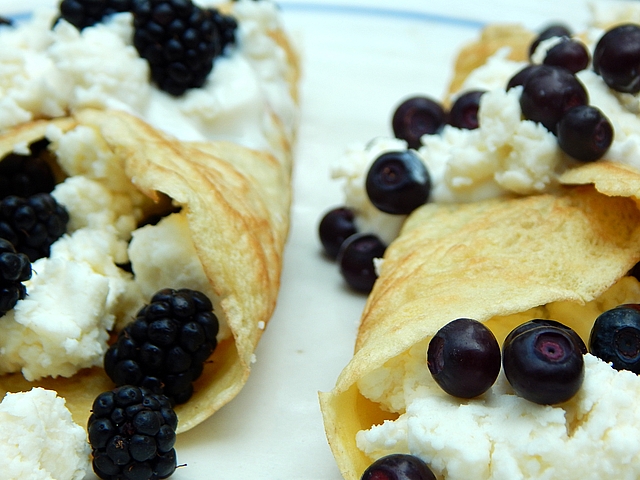
But last month, while filling pierogi with potatoes and Lemon Cheese, I was reminded just how easy it is to make cheese and other dairy products. Here’s your reminder too.
Read more about making cheese

Steamed Buns

Homemade steamed buns make you wait, but your first bite is worth it. Get dumpling recipes at TwiceasTasty.com.
In the realm of stuffed foods, Chinese steamed buns seem like the crown jewels. They’re made with a yeast dough, rather than the comparatively simpler flour-and-water wraps for Scratch-Made Pot Stickers, which means more waiting time. The steaming may require tools you don’t yet have in your kitchen—or some improvisation. And you’ll have the nicest buns if you master yet another rolling and pleating technique.

But the first time you bite into a homemade steamed bun, you’ll know it was worth it. The magic that happens with some basic ingredients, time, and care will keep you practicing until you’ve perfected your technique. As with all homemade dumplings, there are some shortcuts. But most of these stretch out the work rather than shortening the timeframe. It’s best to approach steamed yeast buns with a relaxed schedule and mindset.
Learn to make Scratch-Made Steamed Buns with homemade fillings

Pierogi

You say pot sticker, I say pierogi: It can be all one dough. Get dumpling recipes at TwiceasTasty.com.
When I traveled in Eastern Europe and lived in Russia, I ate a lot of pierogi but never learned to make them. Some were homemade—my favorites came from Russian women who carried pots of them from their kitchen to meet the train as we rode the Trans-Siberian Railway from Moscow to Vladivostok. Plus, commercially packaged frozen pierogi were as widespread in Eastern Europe as frozen pizza is in the United States, and they could be dropped in boiling water for a quick meal.

Once I returned to the States, I tried many variations on pierogi dough, attempting to recreate those mild yet somehow tasty dumplings. Available dough recipes varied widely on both ingredients (egg, milk, butter, sour cream, even cream cheese) and ratios. But once I mastered homemade pot stickers, I realized I’d strayed too far from the frugal kitchens that prepared my favorite pierogi. So now I use the same dough for both types of dumplings; how I prep that dough, fill it, and cook the dumplings determines whether they’re labeled pot stickers or pierogi.
Learn to make Scratch-Made Pierogi with homemade fillings

Pot Stickers

Tasty pot stickers can be hard to find but make a fun project at home. Get dumpling recipes at TwiceasTasty.com.
I fell for pot stickers as a kid. For special occasions, we’d meet my Uncle Sunny and Aunt Ginny in Portland, Oregon, at their favorite Chinese restaurant. My uncle was one of those people who made friends at his frequented haunts; he and the restaurant’s owners probably swapped their favorite spicy mustard recipes. As a kid, it amazed me that the staff knew to bring my sister a Shirley Temple, my mom fiery eggplant, and me vegetable pot stickers.

Vegetarian pot stickers can be hard to come by even in cities; the standard fillings lean toward pork. In northwest Montana, they’re nonexistent. Luckily, a local friend with Chinese roots loves to cook and share her creations, and I treasure invites to her kitchen. For a pot sticker gathering, we mix up batch after batch of dough and filling, just eyeballing the ratios, and many hands form it all into neat—or not so neat—edible packets. It’s a bit like making pie crust with Grandma Tiny: this recipe, which I make at home, is my best version of those recipe-free evenings with a practiced guide.
Learn to make Scratch-Made Pot Stickers with homemade fillings

Getting Stuffed

Food that comes in its own edible wrapper can be fun to make and eat. Learn more at TwiceasTasty.com.
There’s something special about food that comes in its own edible wrapper. It can be filling, comforting, flavorful, unique—but mostly it’s fun to eat. It can also be fun to make if you approach it with the right mindset.

Self-contained perfect bites have plenty of advantages. Some, like Sourdough Empanadas, travel well and make ideal meals at school or work. Others, like Pumpkin–Goat Cheese Ravioli with Butter–Nut Sauce, can be frozen for later quick-and-easy meals. With Mushroom-Stuffed Blini, it’s hard to decide whether the freshly made packets or the leftovers, sautéed until crispy, taste best.

These scratch-made recipes also have a downside: They take time and effort. The key is to keep the entire process relaxed and fun. I have several tricks that will help you enjoy the time, break the project into stages, and sample some of your creation along the way. Hopefully these tips will ease you into some of the food projects already on the blog—and the new ones I’ll be sharing this month.
Read more about getting stuffed

Fermenting Grains and Beans

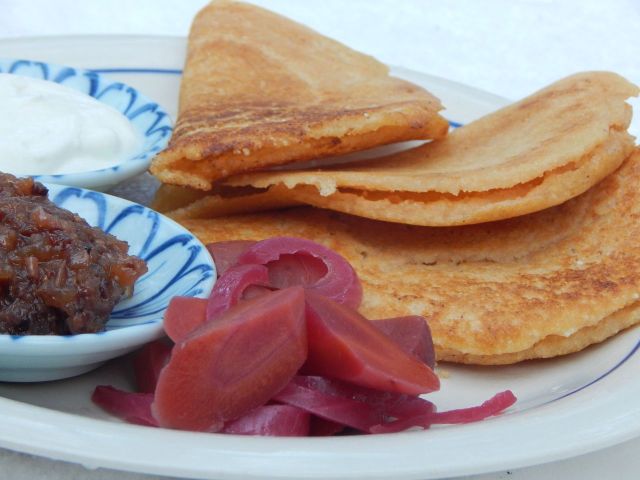
Lessons learned in my dosa-making adventures led to a recipe for beginners living in cold climates. Learn more at TwiceasTasty.com.
When it’s midwinter and the fermentation bug hits you, where do you turn? The logical choice to expand beyond sourdough and cheese, and the perfect pairing with this month’s Indian-Inspired Sweet-and-Sour Potatoes and Indian-Inspired Shrimp in Yogurt, seemed to be dosas. But these thin, crisp rice-and-bean pancakes offered as many challenges as advantages in my Northern Rocky Mountain kitchen.

So what I offer this week are the lessons I learned as I began my dosa-making adventures, with big nods to fermentation expert Sandor Katz and writer and cook Chandra Padmanabhan. These lessons led to an Indian-inspired dosa recipe ideal for beginners living in cold climates, with plenty of ways to creep closer to the traditional texture and flavor as you become more confident in your dosa-making skills.
Learn to ferment grains and beans and make Red Lentil and Basmati Dosas

Spiced Shrimp

 By changing the tang, two similarly spiced dishes taste completely different yet complement each other beautifully. Get spiced shrimp recipes at TwiceasTasty.com.
Like last week’s spiced potatoes, shrimp play well with so many flavors—including Indian spices. You could simply turn that potato recipe into a shrimp dish, cooking the sauce first and adding the shrimp at the end. But if you want to serve shrimp and potatoes together, it’s more fun to vary the flavors.

I like to do that by changing the tang. Last week’s potato dish picks up tang from pickle brine, tomatoes, and as an optional bonus, tamarind. This week’s shrimp dish grabs it from yogurt. I get more flavor from homemade yogurt, but store-bought also works. With that flavor shift, you can rely on the same spice base. A little onion, garlic, and ginger just enhances the base.

In the end, two similarly spiced dishes taste completely different yet complement each other beautifully. The same concepts can be applied to many other spiced shrimp dishes, letting you use your pantry power to put sunshine on your table even when you’re snowed in.
Learn to make Indian-Inspired Shrimp in Yogurt and other variations

Spiced Potatoes

Potatoes readily absorb anything you add to them, making them perfect vehicles for all sorts of spices. Get potato recipes at TwiceasTasty.com.
We grow and eat lots of potatoes, especially ones we’ve stored for winter: waxy reds and bright purples ideal for salads, starchier white varieties I use in gnocchi, and yellow potatoes that go into soups, curries, mashers—really, almost anything. Each variety tastes subtly different, but all readily absorb any flavor you add to them, making them perfect vehicles for all sorts of spices.

I often bring potatoes when teaching Twice as Tasty Indian Spices workshops, but we keep the workshop recipes simple so that the participants’ newly created spice blends can shine. At home, I sometimes reach for a homemade masala but just as often grab separate ground or whole spices. Because I’m generally rich in pickle brine, that often lands in my potato dishes for a sweet-and-sour effect. Keep reading after the recipe for more flavoring ideas.
Learn to make Indian-Inspired Sweet-and-Sour Potatoes and other variations

Pantry Power

Savor flavors from around the world right from your cupboards. Learn more at TwiceasTasty.com.
February is always the test of my pantry’s power. How well did I plan for winter? Did I can enough jams, salsas, and sauces? Did I properly cure my potatoes, onions, and garlic so that they’re still edible? Did I freeze enough pesto, berries, and corn? Did I dry enough basil, oregano, and rosemary?

With some effort and some luck, all of the answers are yes and we’re eating well all month long and far into spring. When the stored and preserved harvest doesn’t taste quite as good as fresh off the vine, I make up the difference and then some from other shelves in my pantry: the ones with spices and condiments. With a bit of this and a dab of that, it’s possible to savor flavors from around the world right from your cupboards.
Read more about finding your pantry’s power

Sticking with Sourdough

Sourdough baking should fit into your lifestyle and let you build a habit of using it. Learn more at TwiceasTasty.com.
Another Twice as Tasty sourdough giveaway is winding down; there are just a few days left to get your starter. This month, I delivered jars of bubbly starter to local bakers and shipped dehydrated starter as far away as Slovenia. People have been sharing their creations of longtime and new Twice as Tasty recipes, including this month’s cracker, cookie, and ciabatta recipes and variations. I’m excited to see what everyone makes in the coming months.

For some of you, just remembering your starter may be the biggest challenge as the year takes off. Sourdough baking should fit into your lifestyle and let you build a habit of using your starter often enough to keep it lively. It may take a few attempts, and I’m always happy to resend starter if you need a fresh try. But a sourdough culture is more resilient than you think. So as life distracts you from baking, you have several options to bring your starter back to life.
Read more about sticking with sourdough