Pea Shoot Pesto

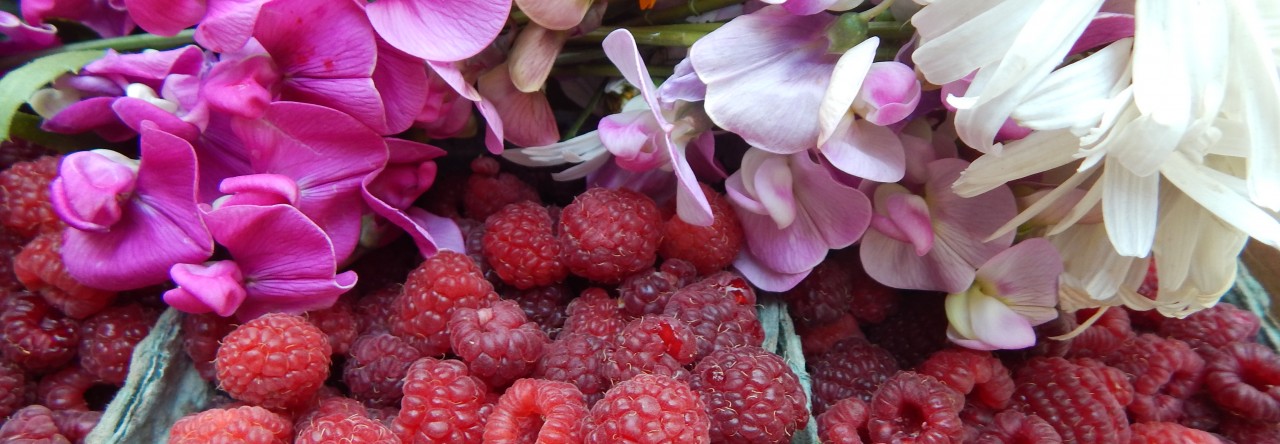
I intentionally plant peas too thickly and then thin and snip shoots to make fresh pesto—and help the plants grow bushier and produce more peapods. Learn more at TwiceasTasty.com.
I started making a springtime pesto with pea shoots in my first years of growing peas, when I heavily overplanted the beds and needed to thin them. It turned out to be so delicious that, as I explain this week in my Twice as Tasty column for the Flathead Beacon, I now intentionally plant peas too thickly and pinch off extras; I also snip upper shoots as the plants grow. This not only lets me make fresh pesto long before I can harvest basil but also helps the plants grow bushier and produce more peapods.

I think tender pea shoots are the sweetest and harvest them from both edible pod and shelling peas. Some people consider sugar snap shoots to be the sweetest. Whichever you’re growing, give them a taste while they’re young and delicate.

If you’re not growing peas, look for edible shoots at a farmers’ market. I found the ones in the photo that accompanies this week’s column while visiting the Bellingham Farmers Market. The large bundle of shoots and flowers were more developed than I usually harvest them, so I blended just the leaves and top tendrils from the thickest stalks into pesto.
Learn to make Pea Shoot Pesto

Herb and Spinach Frittata

The latest recipes in my column gently cook spring greens into egg and pasta dishes, keeping spinach, arugula and herbs light and fresh. Learn more at TwiceasTasty.com.
The first harvests of the season may not be as colorful as summer’s tomatoes and peppers and fall’s beets and carrots, but I always smile and sigh with pleasure as I dig my fork into a mound of spring greens. Salads suddenly become a daily presence. I pile the tender leaves deeply on sandwiches, sourdough pizza and fried eggs. My bean burritos and fish tacos become so stuffed that I can’t fold them closed.

The latest recipes in my Twice as Tasty column for the Flathead Beacon gently cook spring greens. Unlike the soggy, slimy effect that often comes from overcooking spinach and arugula, the greens barely wilt into egg and pasta dishes, remaining light and fresh.

This week’s frittata recipe expands my year-round Golden Onion and Potato Frittata to include fresh spinach and herbs. It could be called a crustless quiche or a big, open-faced omelet and tastes equally delicious for breakfast, lunch and dinner.
Learn to make Herb and Spinach Frittata

Moroccan-Inspired Mint Tea

I grew up with unsweetened iced tea in the fridge, but I needed a month in Morocco to discover that hot tea could be as refreshing. Learn more at TwiceasTasty.com.
My mom drinks lots of unsweetened iced tea in the summer, and there was always a jug of it in the refrigerator as I was growing up. But as I explain this week in my Twice as Tasty column for the Flathead Beacon, it took a piping-hot month in Morocco for me to discover that hot tea could be as refreshing.

A blend of green tea leaves and mint creates this effect. An amino acid in green tea and the menthol in mint cause relaxing, cooling sensations, regardless of the brew’s temperature. Morocco’s indigenous mint is a spearmint variety known as nana, but the tea plant doesn’t grow in its arid climate. So it’s less of a stretch than you might think to prepare Moroccan-Inspired Mint Tea from fresh Montana-grown mint leaves on a hot summer day.
Learn to make Moroccan-Inspired Mint Tea

Your Choice Berry Curd

Fruit curd can be made with not just lemons and limes but also a range of berries and other fruits—fresh or frozen. Learn more at TwiceasTasty.com.
The first time you tasted fruit curd, it was most likely made with lemons or perhaps limes. But as I explain this week in my Twice as Tasty column for the Flathead Beacon, it can be made with a range of berries and other fruits—a big advantage if you don’t have access to backyard citrus but do grow or live in an area where berry crops are popular. Plus, you can make berry curd with frozen fruit.

Raspberries are my personal favorite for berry curd, but I’ve made it with everything from strawberries to gooseberries and huckleberries. Rhubarb Curd is another delicious variation this time of year. I get the best texture by using just egg yolks in the curd, so when I developed a recipe for Gingerbread Pancakes, one of my preferred pairings for fruit curd, I used the remaining egg whites in the pancake batter.
Learn to make Your Choice Berry Curd

Gingerbread Pancakes

Some foods stick with you not only because they’re delicious but because of the fond memories they evoke. Gingerbread pancakes fall in that category for me. Learn more at TwiceasTasty.com.
Some foods stick with you not only because they’re delicious but because of the fond memories they evoke. Gingerbread pancakes fall in that category for me, as I explain this week in my Twice as Tasty column for the Flathead Beacon. I was thrilled when I checked up on Zazie, where I first tasted these pancakes, to find that not only was it still open but thriving. Brunch at this French-style bistro was always a calm, relaxed affair amid San Francisco’s bustle, and I recommend a visit if you’re in the city.

Now that I’m more than 1,100 miles away, I’ve replaced that experience with this week’s pancake recipe and a quiet morning on my cabin’s deck. The spices and molasses give these pancakes their distinctive flavor, and Cultured Buttermilk and egg whites make them ultra-fluffy. The buttermilk gives them just a hint of the tang that dominates Overnight Sourdough Pancakes and Sourdough–Yogurt Pancakes.
Learn to make Gingerbread Pancakes

Tangy Rhubarb Muffins

Homemade cultured buttermilk, sour cream and yogurt have different textures and flavors but can be used interchangeably in many baked goods. Learn more at TwiceasTasty.com.
When I want to bake muffins, I reach for whichever homemade dairy product happens to be in my fridge that day: cultured buttermilk, sour cream or yogurt. As I explain this week in my Twice as Tasty column for the Flathead Beacon, each has a different texture and flavor but can be used interchangeably in many baked goods.

Cultured buttermilk tends to be just slightly thicker than heavy cream, and it adds flavor not just to sweet rhubarb muffins but also to savory Corn Kernel Muffins with Sage. My favorite substitute for it is the whey from Homemade Small-Batch Yogurt: Drain the yogurt through a fine-mesh strainer and capture the tangy liquid in a measuring cup. If the whey seems too thin, stir in a couple of tablespoons of the yogurt before using it in Berry Chocolate Muffins.
Learn to make Tangy Rhubarb Muffins

Homemade Sour Cream

Spoon rich, tangy homemade sour cream over sourdough empanadas and mix it into blini filling. Give cookies loft, lighten scones, and make onion dip irresistible. Learn more at TwiceasTasty.com.
I rounded out a collection of homemade dairy products this week in my Twice as Tasty column for the Flathead Beacon with sour cream. I love the tangy richness of sour cream and spoon it over everything from nachos to baked potatoes to Sourdough Empanadas. It’s an essential flavor on and in Mushroom-Filled Blini and makes Onion Lover’s Dip irresistible.

I bake with sour cream as often as buttermilk, because it provides loft in recipes like Chocolate–Sour Cream Cookies and lightens scones, including Savory Herb and Sour Cream Scones. But homemade sour cream, cultured buttermilk, and fresh yogurt are just the starting point. Once you become comfortable with the techniques and ingredients for soft creations, your first homemade cheese is just a recipe away.
Learn to make Homemade Sour Cream

Cultured Buttermilk

In icings and salad dressings, and even baked goods and savory dishes, it’s worth splurging for cultured buttermilk—or making your own. Learn more at TwiceasTasty.com.
There’s a distinct difference between the baking shortcut of using vinegar or lemon juice to sour milk and the creamy, tang taste of cultured buttermilk. As I explain this week in my Twice as Tasty column for the Flathead Beacon, the former has its uses. For example, in Loaf-Pan Lemon Cake, the double dose of lemon boosts the citrusy flavor. But in icings and salad dressings, and even baked goods and savory dishes, it’s worth splurging for cultured buttermilk—or making your own.

Homemade buttermilk takes less effort than homemade small-batch yogurt, but it does require a powdered starter culture. That shouldn’t be a deal breaker; buttermilk is an easy way to see just how powdered starters work. Once you try it, you’ll be far more comfortable making your first batch of Dry-Salted Feta or Homemade Fromage Blanc.
Learn to make Cultured Buttermilk

Homemade Small-Batch Yogurt

Once I realized how easy it is to turn milk into fresh yogurt at home, the idea of making cheese and other dairy products became less daunting. Learn more at TwiceasTasty.com.
Dairy fermentation is a bit different from fermenting vegetables for pickles or sourdough for bread, but all of these techniques have a gateway recipe that opens a whole new food world. As I explain this week in my Twice as Tasty column for the Flathead Beacon, yogurt was my fermented dairy gateway. Once I realized how easy it is to turn milk into fresh yogurt at home, the idea of making cheese and other dairy products became far less daunting.

These days, about half of the fermented dairy products in my fridge are homemade. I make sour cream every time I reach the bottom of the jar and fresh yogurt nearly as often. Cheeses come and go as the whim hits me: sometimes I crave Dry-Salted Feta for shakshuka, and sometimes I’m pressing Homemade Farmer’s Cheese for Paneer Tikka Masala or cutting and salting squeaky cheese curds to serve over oven fries with Vegetarian Mushroom Gravy as poutine. I gained the confidence to make these and even pressed and aged cheeses after mastering homemade yogurt.
Learn to make Homemade Small-Batch Yogurt

Vegan Oven-Baked Beans

I dare you: Make this baked bean recipe and tell me you can’t taste the difference between it and a store-bought can of baked beans. Learn more at TwiceasTasty.com.
I dare you to make the recipe for baked beans in this week’s Twice as Tasty column for the Flathead Beacon and tell me you can’t taste the difference between it and a store-bought can of baked beans. That can might be convenient, but it has nothing on the flavor and texture of beans you bake yourself in the oven. The canned version probably wasn’t even baked; instead, it was boiled or steamed before being tossed in sauce and sealed.

Good baked beans are a multilayer process. The techniques I shared earlier this month for Brined and Seasoned Pot Beans help to speed up the steps and intensify the flavor of the final dish. I pair these with my favorite shortcut when cooking dried beans at home: using one pot of cooked beans as the base for several distinctly different meals.
Learn to make Vegan Oven-Baked Beans