Stuffed Squash Blossoms

Handle squash blossoms with care as you harvest them, and you can fill their cavity and fry them. Learn more at TwiceasTasty.com.
If you’re the type of person who picks honeysuckle blossoms on the trailside to taste drops of their sweet nectar, start looking around your garden for other edible flowers. The most obvious will likely be squash blossoms to stuff and fry, as I share this week in my Twice as Tasty column for the Flathead Beacon.

Squash blooms have delicate petals atop a stiff base, so handle them with care as you harvest them and fill their cavity. Cut them off where the green stem base meets the main plant, but wait to cut off the stems and remove the stamen, which can taste bitter, as you prep them for shallow pan frying.

Most edible garden blooms wilt quickly, so it’s best to use them as soon as you harvest them. But since I recommend a midmorning harvest, you can keep squash blossoms in a cool, dry place, or in a pinch in the refrigerator, if you won’t serve them until the evening. You might be able to get away with holding them over for a day to use as garnish, but they will be challenging to stuff and rip easily. If you do tear one down its side, fill it carefully and then try using a drop of batter almost like glue to hold it together until it hits the sauté pan.
Learn to make Stuffed Squash Blossoms

Homemade Shrimp Stock

Homemade stocks are flavor-boost shortcuts in all sorts of dishes and cost nothing if you save trimmings and scraps. Learn to make Homemade Shrimp Stock. Learn more at TwiceasTasty.com.
Homemade stocks are one of my favorite shortcuts for an immediate flavor boost in all sorts of dishes. They cost nothing if you save vegetable trimmings, shrimp shells, and other scraps. They’re easy, adaptable, and take minimal effort. Save the scraps in a zip-close bag until it’s full, and you can make potful of stock to freeze in usable portions so that when you need it, it’s ready to go.

This week, I share my shrimp stock recipe in my Twice as Tasty column for the Flathead Beacon. It’s the bonus of buying raw shrimp in the shell and cleaning it yourself—beyond the improvements in flavor, texture, cost, and more that come from choosing raw over precooked, peeled shrimp. The recipe lists ingredients in whole counts, but you can save scraps to approximate equivalents. Bag and freeze enough tops and bottoms of onions and celery from nightly meals until you have the equivalent of two whole each. Zest the lemons before you add them to the stock pot, freezing the zest if you don’t have an immediate use for it. Fresh herbs that have gone soft and wilted, but not mushy, are ideal for use in stocks like this one.
Learn to make Homemade Shrimp Stock

Wasabi-Dusted Grilled Shrimp

I’ve learned to treat wasabi or horseradish powder like a finishing salt for hot food, sprinkling it on just before serving. Learn more at TwiceasTasty.com.
When I started making sushi at home and then teaching the techniques I use in workshops, wasabi powder became a staple in my kitchen—one I couldn’t resist finding other ways to use. But as I explain this week in my Twice as Tasty column for the Flathead Beacon, there are some tricks to working with wasabi powder and maximizing its flavor. I now treat it like a finishing salt for hot food, sprinkling it on just before serving, like with this week’s grilled shrimp recipe.

But really, I’ve stopped buying wasabi powder and switched to horseradish powder instead. It gives essentially the same effect—which makes sense, because most wasabi sold in the United States is primarily horseradish powder, perhaps with wasabi leaves and stems and artificial colors mixed in. Horseradish powder is usually more affordable and, if you grow horseradish root, easy to make in a well-ventilated space.
Learn to make Wasabi-Dusted Grilled Shrimp

Watermelon and Feta Salad

Get right to the heart of summer by pairing sweet, juicy watermelon with tangy, salty feta cheese—especially homemade dry-salted feta. Learn more at TwiceasTasty.com.
The recipe I share this week in my Twice as Tasty column for the Flathead Beacon gets right to the heart of summer, pairing sweet, juicy watermelon with tangy, salty feta cheese. Like many of my favorite recipes that use feta, you can buy a high-quality block in brine for this salad. I like a creamy Bulgarian sheep’s milk feta, which holds its shape well, or the sharp taste of Greek sheep’s milk feta alongside the sweet melon.

My favorite pairing is homemade Dry-Salted Feta. Even when I use whole cow’s milk instead of milk from goats or sheep, it has far superior flavor and texture to the crumbly, dry store-bought American feta made from skimmed cow’s milk. The hardest part about making feta is holding the milk at a steady temperature for a couple of hours—a challenge that is far easier amid summer’s heat than during freezing winter months.
Learn to make Watermelon and Feta Salad

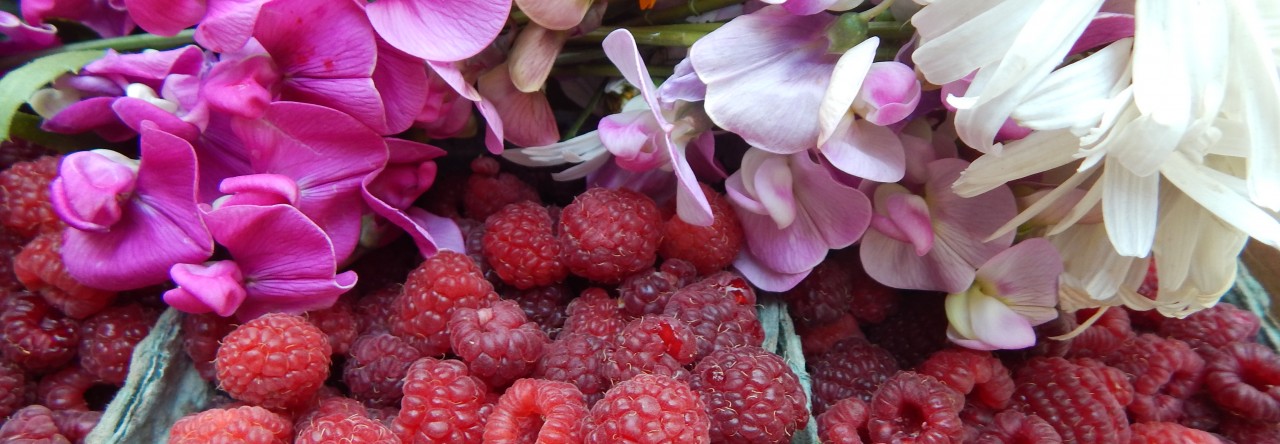
Raspberry Vinaigrette

You can blend fresh raspberries into this vinaigrette, but it’s also ideal for using up roasted raspberry pulp. Learn more at TwiceasTasty.com.
My favorite salads might start with a bed of greens, but then I pile on the vegetables and other toppings. Because the layers give the salad so much flavor and texture, I rarely bother with more than a simple dressing of vinegar or citrus juice, oil, and an emulsifier like mustard or garlic.

But a three- or four-ingredient salad can handle an intensely flavored dressing, like the one I share this week in my Twice as Tasty column for the Flathead Beacon. This berry dressing can turn the bed of greens, early onions, and the last of my storage carrots into a delicious lunch or side salad.

You can blend fresh raspberries into this vinaigrette, but it’s also ideal for using up the pulp left after making Roasted Raspberry Syrup or the Roasted Raspberry-Thyme Shrub in my cookbook, The Complete Guide to Pickling.
Learn to make Raspberry Vinaigrette

Homemade Caramel Sauce

Making caramel successfully at home is all about using the right tools and ingredients and becoming comfortable with the process. Learn more at TwiceasTasty.com.
My first experience with making “caramel” was in a high school home ec class. The recipe melted brown sugar, butter, and Karo syrup in the microwave, added baking soda, and then poured the concoction over a grocery bag full of popped corn and microwaved it until coated. It was so easy that when I began to make true caramel sauce, I lacked the trepidation that many people have about melting sugar until it is molten liquid.

As I explain this week in my Twice as Tasty column for the Flathead Beacon, making caramel successfully at home is all about becoming comfortable with the process and using the right tools. A pan that seems excessively large for the project is key to preventing a bubbling volcano of liquid sugar. A sturdy whisk is a must so that you can keep stirring the sugar steadily and constantly. Avoiding multitasking is crucial to controlling the process. But watching the sugar change as you stir—from white granules to tan clumps to pure liquid that darkens the longer you cook it—is part of the fun.
Learn to make Homemade Caramel Sauce

Triple Ginger Cake

I’ve developed a cake recipe that uses three forms of ginger, mimicking the layers of flavor in my favorite Triple Gingersnaps yet staying moist and soft. Learn more at TwiceasTasty.com.
Cake has been on my mind these last few weeks as I’ve been celebrating milestones. My family calendar includes numerous May birthdays, which are always occasions to bake a cake or pie. This year, we also celebrated my parents’ 50th wedding anniversary. I baked them the stacked version of Chocolate Pudding Cake filled with homemade strawberry-rhubarb-lilac jam, coated with Chocolate Ganache, and topped with fresh strawberries.

This month, I’m celebrating 8 years of Twice as Tasty, so I’m sharing yet another cake recipe in my latest Twice as Tasty column for the Flathead Beacon. I developed this recipe to use three forms of ginger, mimicking the layers of flavor in my favorite Triple Gingersnaps. But unlike the crisp cookies, I always want my cakes to be moist and soft. This cake achieves that through molasses, eggs, and baking soda dissolved in hot water.
Learn to make Triple Ginger Cake

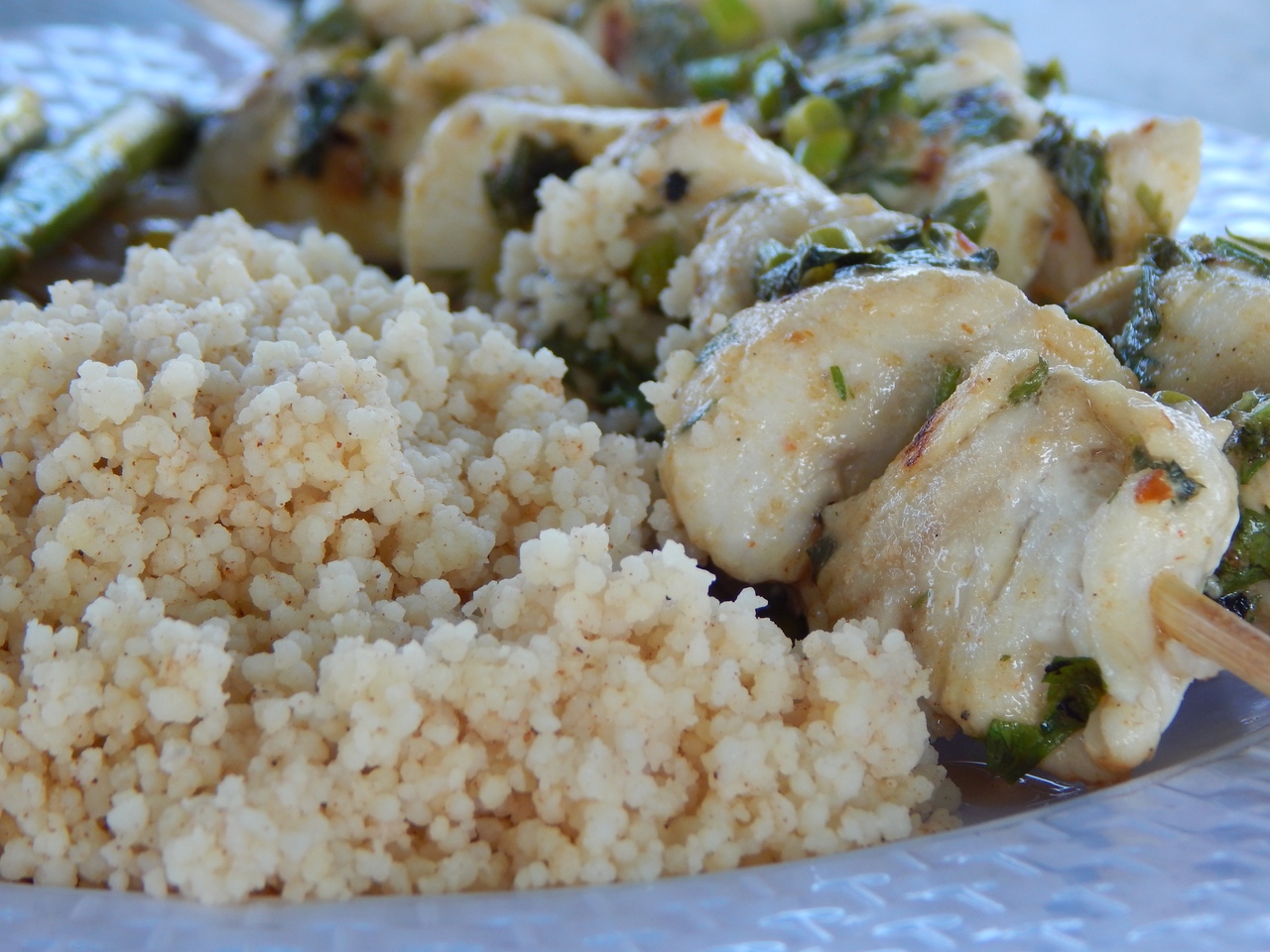
Chickpea and Vegetable Couscous Salad

Instant couscous has become one of my staple grains not just at home but for lakeside picnics and onboard dinners. Learn more at TwiceasTasty.com.
Once I accepted that I was never going to justify housing a giant couscoussière in my tiny Montana kitchen and using its vastness, sized for the average Moroccan family, to feed my household of two, instant couscous became a staple grain not just at home but for lakeside picnics and onboard dinners. We recently wrapped up a two-week sailing adventure aboard The Blue Mule in the San Juan and Gulf Islands, and the couscous recipes I’ve been sharing in my Twice as Tasty column for the Flathead Beacon were part of our cruising menu.

The little grains cook so well in just-boiled water that I keep a collapsible silicone container with a tightly sealing lid in my galley box. I pour the couscous into it, add a pat of butter and sprinkling of cinnamon and salt, and then pour JetBoil-heated water on top and seal the container. For dinner before an evening sail on Flathead Lake, I use the same technique but boil the water on my kitchen stove and take it to the lake in a thermos.
Learn to make Chickpea and Vegetable Couscous Salad with Pour-Over Cinnamon Couscous

Black Bean Veggie Burgers

Balancing flavor and freezability was my goal when developing a homemade black bean burger, and I succeeded with this recipe. Learn more at TwiceasTasty.com.
Like many homemade versions of popular prepackaged foods, veggie burgers can taste exponentially better when mixed from fresh ingredients than pulled from a grocery store’s freezer section. Unfortunately, scratch-made versions often underperform their commercial counterparts when it comes to structure. As I note this week in my Twice as Tasty column for the Flathead Beacon, I’ve eaten many delicious handmade veggie burgers that need to be eaten straight from the pan because the leftovers readily fall apart. Yet the ability to pull a vegetarian-friendly burger from the freezer and slap it on a clean grill is its key selling point for summer parties and quick dinners.

Balancing flavor and freezability became my goal when developing a black bean burger recipe, and I was so successful that I make double or triple batches for summerlong enjoyment. I’ve made these burgers with fresh-from-the-garden vegetables or ones pulled from the freezer, grilling or sautéing them to intensify their flavor and work out much of their natural moisture. A couple of patty-forming tricks create burgers dominated by vegetables and beans, packed with herbs and spices, and easy to freeze, reheat, flip, and serve, one compact patty at a time.
Learn to make Black Bean Veggie Burgers

Grilled Portobello Mushrooms

Before the garden produces its first asparagus and after I’ve cut fall’s last broccoli, my favorite grilling vegetables are mushrooms. Learn more at TwiceasTasty.com.
I’ve shared several grilled vegetable recipes in my Twice as Tasty column for the Flathead Beacon, mostly featuring summer’s harvest. We grill several meals each week in summer, piling on eggplant, corn, and other homegrown vegetables. Yet we get coals going throughout the year, regardless of temperatures and weather. Before the garden produces its first crop of asparagus and after I’ve cut the last broccoli florets of fall, my favorite grilling vegetables are mushrooms.

I briefly explained my technique for smoking and then searing mushrooms when I shared my recipe for Vegan Memphis-Style Barbecue Sauce. The preparation is delicious but takes a few stages. For a simpler approach still loaded with flavor, I marinate the mushrooms, grill them until cooked through, and serve.
Learn to make Grilled Portobello Mushrooms