Adapting Breakfasts

Working from home, my first meal of the day is healthy, varied, and enjoyable. Get breakfast recipes at TwiceasTasty.com.
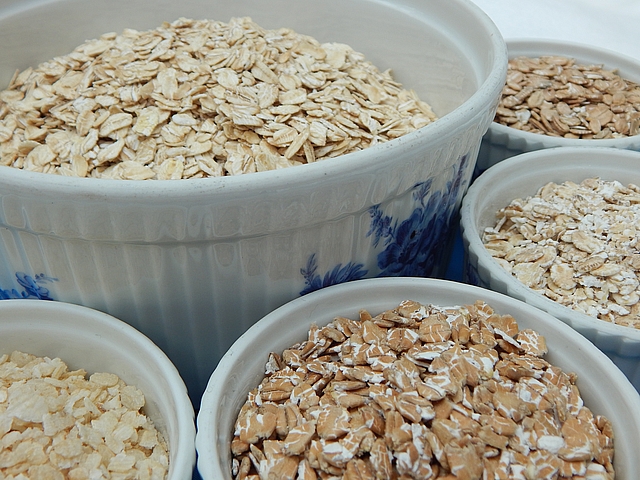
If you’ve been staying home these last few weeks, one of the biggest changes to the way you eat may be at breakfast. If you have a job outside the home, or kids to get to school, or a daily routine that start with a gym or other leave-the-house activity, you likely rush out the door with little thought for breakfast—or perhaps no food in your belly. Cooked breakfasts, and particularly family breakfasts, might be reserved for weekends or even holidays. If you want to turn staying at home to your advantage, using it to break old habits and improve routines, I can’t think of a better place to start than the first meal of the day.

That doesn’t mean you need to wake up in the morning ready to spend hours slaving in the kitchen while your family eyes you hungrily. If “slaving” is the word that comes to mind over preparing any meal, then something is out of sync. And just because you’re at home doesn’t mean you have any more time to cook breakfast than you would normally. But it does mean you have access to a fuller kitchen than is found in your car or corporate office, and you have at least some ability to stock it with a wider variety foods than will fit in your day bag or desk drawer.

As someone who has worked from home for years, I’ve found plenty of ways to make my first meal of the day healthy, varied, and enjoyable. Here are some of my go-to breakfasts at home.
Learn to make pantry breakfasts and Improv Smoothies

Taking Stock

Amid signs of the steady march toward spring, it’s time to take stock of your last saved harvest. Learn more at TwiceasTasty.com.
Growing food has been on my mind: I’ve been busy prepping for a sprout-growing workshop this week and organizing next month’s Free the Seeds event. You too are probably noticing the steady march toward spring as bright seed catalogs arrive regularly and storage vegetables beg to be front and center in your meals. Now’s the time to take stock of what you’ve saved from your last growing season, particularly what you’ve used and what’s left.
Read more about taking stock of stored food

Gifting Food

With a little thought, you can make your food gifts the highlight of someone’s holiday season—and of yours. Learn more at TwiceasTasty.com.
With the holiday season on your doorstep, you’re likely planning meals and buying and making gifts. If you’re like me, you’re preparing to give the gift of food. It may not sound as sexy as an Apple AirPod or gravity blanket, but when you’ve taken the time to make it, package it, and set it aside with a specific person in mind, it carries far more love.

Still, giving and receiving food has its challenges. I’m not talking about the effort you put into preparing it, which you’ve likely already planned into your schedule and budget. I’m talking about ensuring your hard work will truly be appreciated by the receiver—and about how you, when you’re the receiver, can value what’s been created for you. With a little thought, you can make your food gifts the highlight of someone’s holiday season—and of yours.
Read more about gifting food

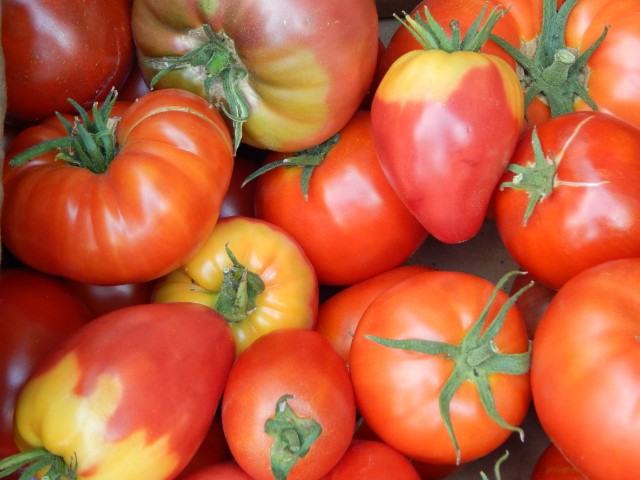
Tomatoes

Grilling and preserving pair perfectly, and their advantages stretch far beyond flavor. Get grilled tomato recipes at TwiceasTasty.com.
You’ve probably noticed that I love grilled vegetables. I also love home-canned goods, and the techniques of grilling and preserving pair together perfectly. The advantages of grilling for canning stretch far beyond flavor, particularly for tomatoes.

Grilling combined with freezing makes it easy to start processing vegetables as they ripen throughout the growing season, making preserving seem more like a habit than a chore. During tomato season, we pull the ripest fruit from the vine every few days. That evening, we fire up the grill and cook off a rack or two of tomatoes; the hot halves go straight into a colander set over a large bowl to drain off the juice—usually while we’re enjoying a grilled dinner. Once they’re cool, I pour the separated solids and juice into separate containers, weighing and labeling each before adding them to the freezer.

When the freezer’s full, I have two products ready for processing: solids and juice. Because the juice was drained off, any sauce or salsa doesn’t have to cook for hours to thicken. Because the solids have already been pulled out of the juice, I can quickly apply it to any recipe, from beverage to soup. In just a couple of hours, I can have several canner batches processed for long-term storage. The freezer is ready for the next round of preserving, and the canning shelves are full of delicious fire-roasted flavors.
Learn to make Grilled Tomato Pasta Sauce and Tomato Juice Soup

Quick Saves

This primer brings together ways I quickly save the last rounds of in-season veg. Read more about quick-save vegetables. Learn more at TwiceasTasty.com.
As the growing season winds down, I get plenty of questions about what to do with the last weeks of homegrown harvests and the last crops from farmer’s markets. By now, you’ve likely eaten your fill of your favorite fresh dishes and processed your favorite canned and frozen goods. If you’re like me, you’re torn between wanting to be done with the labor of weeding and harvesting and wanting to capture those last few tomatoes, those last few broccoli stalks, to enjoy after snowfall.

I’ve already shared many of my favorite ways to save excess and end-of-season produce. This month, I’ll continue to share some of my favorite fall canning recipes. But this week, I wanted to bring together in one post some of the ways I quickly save the last rounds of in-season veg.
Read more about quickly saving vegetables

Grilled Peppers

You could spend a small fortune buying jars of oily, roasted red peppers. Or you could grill your own. Get roasted red pepper recipes at TwiceasTasty.com.
Every year, we stuff at least 40 pepper plants into a hoop house, including bell peppers, Gypsy peppers, Poblanos, and several types of chilies. We go big because peppers can go in and on almost anything: salsas, salads, dips, sauces, breakfast eggs, lunch sandwiches, dinner pastas—the list is endless.

The challenge is in waiting for the peppers to ripen to bright yellows, oranges, reds, and purples and then capturing their peak flavor. My favorite variations use the grill to add a little char for fresh eating, such as for Corn, Bean, and Pepper Salsa and Shish Kebabs with Garlic–Soy Marinade, or a lot of smokiness before long-term storage, such as for Smoked Chilies and Home-Smoked Chili Paste. My latest trick falls somewhere in the middle: roasting peppers on the grill and then freezing them in a dice to throw in winter dishes or as a puree to use as a spread or sauce.
Learn to grill peppers and make Red Bell Pepper Puree

Summer Vegetables

Summer means filling bellies not just with the freshest produce possible but also with preserved vegetables the rest of the year. Learn more at TwiceasTasty.com.
If your garden isn’t in full swing yet, it’s about to be. Even here in Montana, with our long winters and short growing season, spring produce is beginning to wind down: Lettuces and spinach will soon be bolting, the asparagus crop has tapered off, and the strawberry bed has been picked nearly clean. In their place, summer produce is ready to burst forth, launching itself into the annual race to grow faster than I can harvest and process.

If you’ve been following along on Instagram, you’ve seen how I deal with spring’s vegetable bounty: #dailysalad. But with a large garden, summer vegetables need a different approach. The next few weeks are not just about filling bellies with the freshest produce possible but also about preserving those vegetables so that they can fill bellies the rest of the year. Here’s how I’ll be spending the next few weeks.
Read more about enjoying summer vegetables year-round

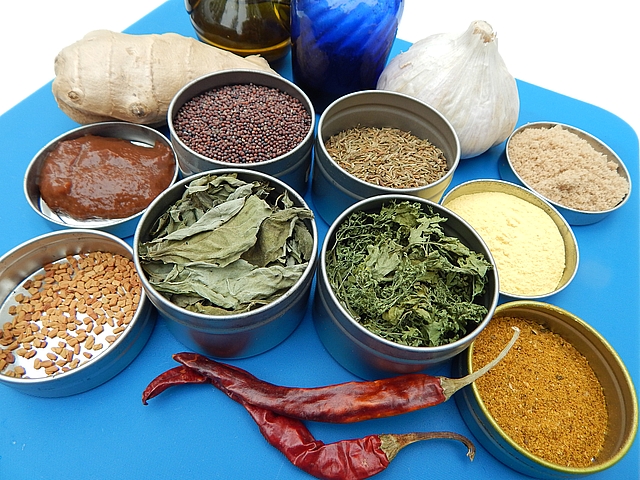
Feel-Good Soup

Soup is the ultimate comfort food. By planning ahead, you can have it in a flash—even when you’re sick. Get Hot and Sour Broth Base and Soup recipes at TwiceasTasty.com.
Soup is the ultimate comfort food. It warms you from head to toe, even reaching fingertips wrapped around a warm bowl or mug. It can be pleasantly light or satisfyingly filling. You can load it with your favorite ingredients and flavors, and it makes brilliant leftovers. What’s not to love about homemade soup?

Some days, the answer is, “That I have to make it.” When you’re sick, soup can make you feel better, but not if you have to get out of bed, gather and chop the ingredients, and monitor the pot. When I’ve got a bug, I crave hot and sour soup. But one of my favorite recipes, Padma Lakshmi’s Hot and Sour Tomato Broth with Shrimp from Tangy Tart Hot & Sweet, requires specialty ingredients and effort. So I’ve developed a version can be frozen as a broth base. The essential work can happen long before you want the soup. When you’re under the weather, you can simply defrost and mix it into homemade stock. On healthy days, you can fill it out to create a full meal for everyone at the table.
Learn to make Hot and Sour Broth Base and Soup

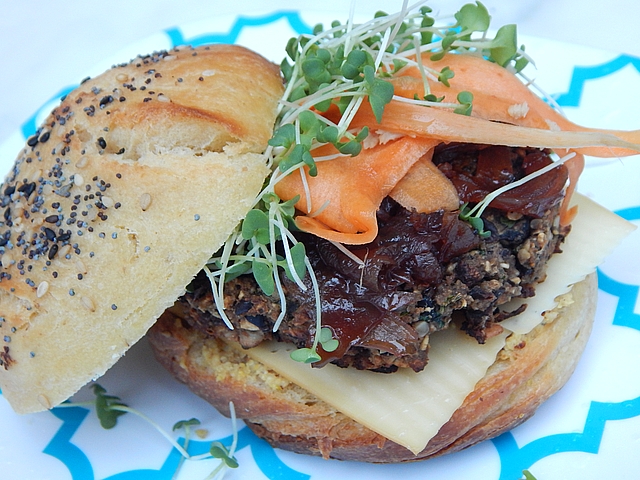
Veggie Burgers

Homemade veggie burgers that taste delicious and freeze well? Yes, please! Get Black Bean Veggie Burger and Spiked Guacamole recipes at TwiceasTasty.com.I’ve always loved the idea of veggie burgers as easy from-the-freezer meals but dislike the standard brands. Most are like frozen pizzas: a couple of bites satisfy a craving, but I lose interest by the meal’s end, even when topped with fresh guacamole. My homemade veggie burgers, like pizza from scratch, are full of flavor but have always fallen apart when reheated—until now.

Several things make this week’s recipe work. Precooking the vegetables and draining them helps; if added raw, they release their water content as they cook and loosen the patties. But no amount of draining makes it possible to skip the binders, as with falafel. Most recipes call for an excessive blend of whole grains and flours that still leave the patties crumbly or gummy. Grinding all grains to meal gives the right texture and adhesion. The third factor is tightly shaping the patties. A wide-mouth canning ring is perfect; the burgers are the right size for buns, and uniform edges and surfaces are less likely to crack and crumble.
Learn to make Black Bean Veggie Burgers and Spiked Guacamole

Falafel

The trick to perfect home-made falafel is in the beans. Get Raw-Chickpea Falafel and Lemon–Tahini Sauce recipes at TwiceasTasty.com.
If you’ve made falafel at home and been disappointed, you’re not alone. You might think you need special equipment, or some secret ingredient, or years of experience. The truth is far simpler.

I’ve tried many falafel recipes, and the results were so unsuccessful that my go-to “recipe” was dried commercial mix rehydrated with pureed soft tofu. The from-scratch problem was always moisture: cooked chickpeas, whether prepped at home or poured from a can, always made the falafel mixture too moist. I’d add binders, like flour or breadcrumbs, but these made the falafel too dense and doughy. Then I stumbled upon a falafel recipe that calls for rehydrated but uncooked beans. On my first attempt, the texture and density issues were gone. Practice led me to develop a flavorful, crisp, vegan falafel perfect for stuffing in Sourdough Pita Bread with a range of condiments and easily frozen for quick meals.
Learn to make Raw-Chickpea Falafel and Lemon–Tahini Sauce