Three Cups of Tea

For me, traveling revived the family tradition of daily cups of tea. Learn to make Moroccan-Inspired Mint Tea and British and Russian Black Tea. Get tea recipes at TwiceasTasty.com.
I grew up in a family of tea drinkers: hot tea for breakfast, iced tea in summer, even decaf tea in evenings. Although my mom might hesitate over a choice of English Breakfast or Earl Grey, both she and my grandmother gravitated toward black teas, unsweetened and unadorned.

As soon as I was deemed old enough to drink hot, caffeinated beverages, I saw it as my duty, as a mildly rebellious teenager, to develop a coffee addiction. But once my independence was established, I added tea to the mix. Traveling only expanded my repertoire. In Great Britain and Russia, I continued the family tradition of daily mugs of black tea, learning to love a bit of sweet, creaminess in some cups. Morocco brought another twist: hot green tea to fight the ambient heat and seal a business deal or friendship, with so much mint and sugar it resembles a breath mint.
Learn to make Moroccan-Inspired Mint Tea and British and Russian Black Tea
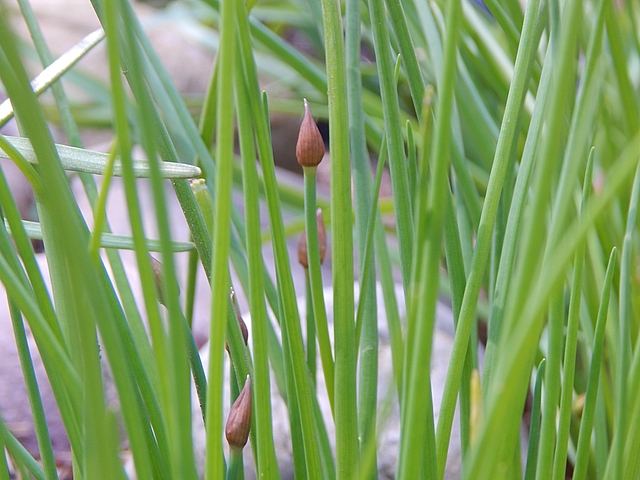
Choosing and Storing Herbs

Food has always dominated my travels, and home re-creations almost always start with herbs. Read more about choosing and storing herbs.
Spring is finally in the air, and I am on the road. In recent weeks, I’ve cleaned up the garden beds; watched crocus, ipheion, scilla, and daffodil blooms open wider by the hour; and found the first perennial herbs like mint, oregano, sorrel, and chives poking through the ground. But it’s also one of my favorite seasons to travel—with Twice as Tasty workshops, to visit family and friends, and to explore new places.

Food has always dominated my travels, first as a vegetarian struggling to find things to eat in a newly reunified Germany and later when discovering new flavors and spices in Africa and Asia and even unknown fruits and vegetables in the South Pacific. Although I still dream of the more exotic tastes, the dishes I bring home put that international spin on food I can grow or easily find in my climate. It almost always starts with herbs.
Read more about choosing and storing herbs

Making Better Yogurt and Cheese

Making new styles of cheese has taught me a few tricks that apply to my homemade standards. Learn about making better yogurt and cheese at TwiceasTasty.com.
Each April, the recipes on Twice as Tasty focus on making cheese and other dairy products at home. Between the information on the blog and the workshops I’ve been teaching to everyone from adults to kids, the pool of home cheesemakers has been growing steadily all year.

As I wrote last year, yogurt was my first homemade dairy product. It’s still the milk-based product I make most often, partly because it’s so easy and partly because it’s so versatile that I eat it all the time. This also means I’m constantly finding new ways to improve my yogurt-making skills.

I’ve also been playing with variations on acid-based cheeses and delving into new cheese styles and dairy products. Some of these will be the focus of blog posts in the coming month. But these styles have also taught me a few tricks that apply to my homemade standards. So before I offer you new recipes, here are some things I’ve learned in the past year about making yogurt and cheese.
Read more about making better yogurt and cheese

Cheesy Baked Pasta

I’m a sucker for homemade mac and cheese. But my mom’s original version is a perfect intro but just the beginning. Get mac and cheese recipes at TwiceasTasty.com.
Although my comfort food list includes a lot of nontraditional dishes, like crepes and Hot and Sour Soup, I’m a sucker for homemade mac and cheese. It was a household standard when I was growing up. As little girls, my sister and I sometimes begged for forbidden junk foods, but we were always willing to go homemade when it came to Mom’s baked macaroni. I’d take leftovers to school to eat cold for lunch, not caring what my friends thought. It was that good.

Over the years, I’ve come to love other flavors in my baked noodles: the bite of garlic and dry mustard, a burst of flavor from cherry tomatoes and basil, and always extra-sharp Cheddar. Since I started making cheese, it’s been my preferred way to use whey. But my mom’s original version is perfect for introducing kids—and adults—who’ve only had boxed macaroni & cheese to the real deal.
Learn to make Childhood and Tomato–Basil Mac and Cheese

Feel-Good Soup

Soup is the ultimate comfort food. By planning ahead, you can have it in a flash—even when you’re sick. Get Hot and Sour Broth Base and Soup recipes at TwiceasTasty.com.
Soup is the ultimate comfort food. It warms you from head to toe, even reaching fingertips wrapped around a warm bowl or mug. It can be pleasantly light or satisfyingly filling. You can load it with your favorite ingredients and flavors, and it makes brilliant leftovers. What’s not to love about homemade soup?

Some days, the answer is, “That I have to make it.” When you’re sick, soup can make you feel better, but not if you have to get out of bed, gather and chop the ingredients, and monitor the pot. When I’ve got a bug, I crave hot and sour soup. But one of my favorite recipes, Padma Lakshmi’s Hot and Sour Tomato Broth with Shrimp from Tangy Tart Hot & Sweet, requires specialty ingredients and effort. So I’ve developed a version can be frozen as a broth base. The essential work can happen long before you want the soup. When you’re under the weather, you can simply defrost and mix it into homemade stock. On healthy days, you can fill it out to create a full meal for everyone at the table.
Learn to make Hot and Sour Broth Base and Soup

Hot Cereals

I never was a cornflake girl, and as a kid I wasn’t a hot cereal girl. Then I went to Russia. Get hot cereal recipes at TwiceasTasty.com.
I never was a cornflake girl, and as a kid I wasn’t a hot cereal girl. I blame my dad: To this day, he calls his porridge “mush.” (If you want to get little girls excited about eating hot breakfast cereal, I highly suggest a different name.) Beyond the name, I disliked the taste and texture—or rather, the lack of both. Dad’s porridge was always bland oats or wheat, ground finely enough or cooked long enough that “mush” was an appropriate title.

It wasn’t until I lived in St. Petersburg, Russia, that hot breakfast cereals became comfort food. Part of it was stepping off the train in early January into –23°F—weather that will make anyone eat anything hot. But mostly it was because Russians know how to make simple porridge taste good. It starts with a mix of grains, improving both flavor and texture. Adding butter to the saucepan before the grains lets them toast slightly. I then take the un-Russian step of adding spices.
Learn to make Russian Kasha and Pearl Barley Cereal with Honeyed Nuts

Comfort Foods

Instead of satisfying, comfort foods might make us feel guilty or even queasy. Learn how to change that at TwiceasTasty.com.
We all have comfort foods—dishes we grew up with, meals based around favorite flavors, recipes that are filling and satisfying. Merriam-Webster defines comfort food as “food that is satisfying because it is prepared in a simple or traditional way and reminds you of home, family, or friends.” Oxford Dictionaries gives a more specific definition: “Food that provides consolation or a feeling of well-being, typically having a high sugar or carbohydrate content and associated with childhood or home cooking.”

The “high sugar or carbohydrate content” bit is unfortunate but all too common. It also seems to be the antithesis of comforting: Instead of being enjoyable, high-calorie meals and snacks can make us feel guilty or even queasy after the thrill of the initial bite. Many traditional comfort foods are now mass produced, giving only a faded memory of the family table. So I prefer to focus on the other defining element of comfort food: simple home cooking.
Read more about simple, homemade comfort foods

Veggie Burgers

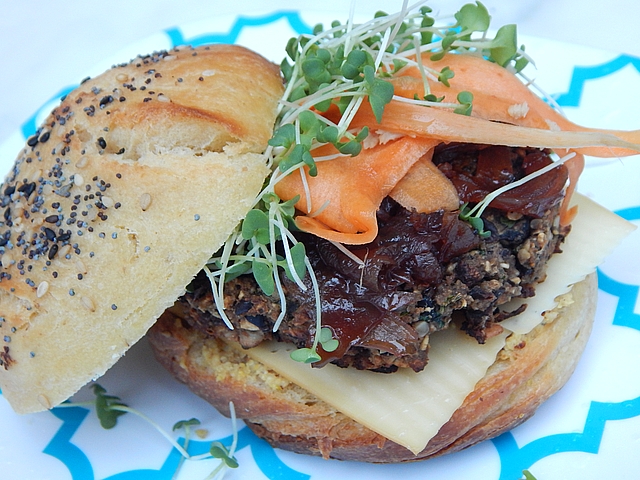
Homemade veggie burgers that taste delicious and freeze well? Yes, please! Get Black Bean Veggie Burger and Spiked Guacamole recipes at TwiceasTasty.com.I’ve always loved the idea of veggie burgers as easy from-the-freezer meals but dislike the standard brands. Most are like frozen pizzas: a couple of bites satisfy a craving, but I lose interest by the meal’s end, even when topped with fresh guacamole. My homemade veggie burgers, like pizza from scratch, are full of flavor but have always fallen apart when reheated—until now.

Several things make this week’s recipe work. Precooking the vegetables and draining them helps; if added raw, they release their water content as they cook and loosen the patties. But no amount of draining makes it possible to skip the binders, as with falafel. Most recipes call for an excessive blend of whole grains and flours that still leave the patties crumbly or gummy. Grinding all grains to meal gives the right texture and adhesion. The third factor is tightly shaping the patties. A wide-mouth canning ring is perfect; the burgers are the right size for buns, and uniform edges and surfaces are less likely to crack and crumble.
Learn to make Black Bean Veggie Burgers and Spiked Guacamole

Falafel

The trick to perfect home-made falafel is in the beans. Get Raw-Chickpea Falafel and Lemon–Tahini Sauce recipes at TwiceasTasty.com.
If you’ve made falafel at home and been disappointed, you’re not alone. You might think you need special equipment, or some secret ingredient, or years of experience. The truth is far simpler.

I’ve tried many falafel recipes, and the results were so unsuccessful that my go-to “recipe” was dried commercial mix rehydrated with pureed soft tofu. The from-scratch problem was always moisture: cooked chickpeas, whether prepped at home or poured from a can, always made the falafel mixture too moist. I’d add binders, like flour or breadcrumbs, but these made the falafel too dense and doughy. Then I stumbled upon a falafel recipe that calls for rehydrated but uncooked beans. On my first attempt, the texture and density issues were gone. Practice led me to develop a flavorful, crisp, vegan falafel perfect for stuffing in Sourdough Pita Bread with a range of condiments and easily frozen for quick meals.
Learn to make Raw-Chickpea Falafel and Lemon–Tahini Sauce

Pot Beans

Put the most flavor in your beans. Get Seasoned Pot Beans and Red Beans and Rice recipes at TwiceasTasty.com.I didn’t get hooked on dried legumes until I discovered pot beans. The preparation style evolved from frijoles de olla, traditionally cooked in earthenware pots in Mexico. Instead of cooking dried beans in 2 stages—once in pure water until soften and again with ingredients that give them flavor—everything is thrown into the pot with the soaked beans. As soon as they’re done, dinner is served.

Pot beans absorb broth and seasonings yet remain adaptable to almost any bean dish. Suddenly, cooking up a pound of dried beans seems worthwhile. Imagine: Before going to bed Sunday night, you spend 3 minutes setting the beans to soak. After work Monday, you give them a rinse and toss them back into the pot with some onion, carrot, garlic, herbs, and stock. About an hour later, you have your first meal: Seasoned Pot Beans. You also have the basis for many quick meals the rest of the week. Huevos rancheros. Beans on toast. Asian bean dip. Hummus. Quesadillas. Corn, Bean, and Pepper Salsa. Burritos. Myriad soups. Sourdough Empanadas. Louis Armstrong’s favorite Louisiana-style red beans, perfect for Fat Tuesday. The list goes on—and I’ll be adding to it all month.
Learn to make Seasoned Pot Beans and Red Beans and Rice