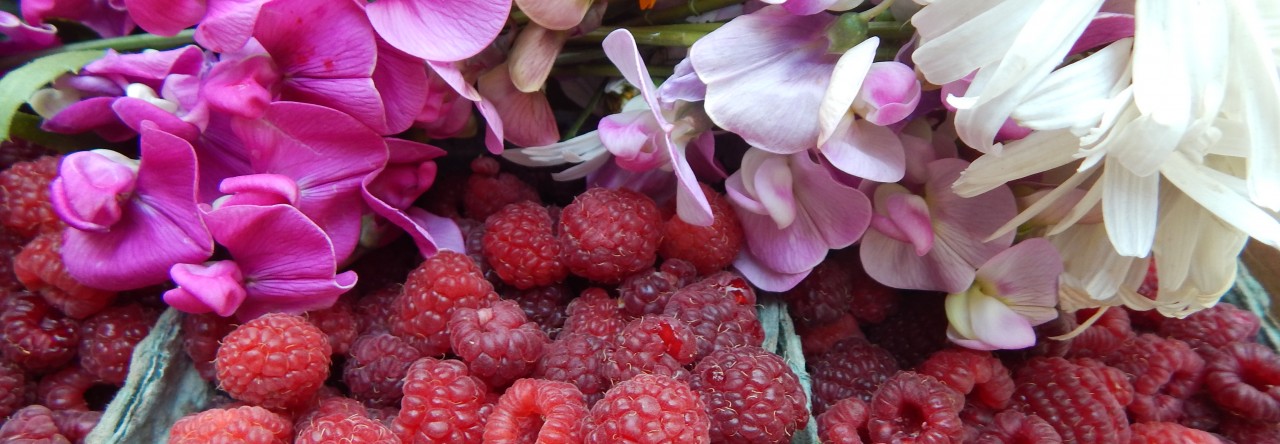

In the words of Cab Calloway, “Everybody eats when they come to my house.” As I mentioned when sharing my cover story in last week’s blog post, I’ve joined one of our local newspapers, the Flathead Beacon, as a food columnist. My first Twice as Tasty column was published this week under a headline from Mr. Hi-De-Ho’s swinging song. You can find it in this week’s print edition or read it online here.
Read more about my new food column
Category: Topic
Curtido

Can you believe that just 1 year ago I announced the release of my cookbook, The Complete Guide to Pickling? More than 6,000 copies have sold over the last year, and I’ve received such amazing feedback from readers. I’m particularly thrilled that I can continue to share some of my favorite recipes from the 125-strong collection. Thanks to Clean Plates, you can now learn more about—and how to make—my Cultured Curtido (Cabbage Slaw) recipe.
Learn to make fermented and quick curtido
Ginger and Lemon Cupcakes

I celebrate Twice as Tasty’s birthday every June with special treats and reflections on the past 12 months. But October is a big personal birthday month in my family. My niece Hayley celebrated her 8th birthday last week, and she and her dad made vanilla cupcakes with pink frosting and sprinkles for the occasion. For my birthday this week, Hayley was head dessert chef and I was sous chef, creating a new cupcake recipe inspired by one in American Girl Cupcakes.
If you peruse the Twice as Tasty recipe index, it’s clear that I love ginger desserts. You’ll find recipes for gingerbread pancakes, quick bread, and cookies. I also bake triple-ginger cookies and cake and use ginger in many other sweet and savory recipes. So when Hayley stopped browsing recipes on a page for gingerbread cupcakes, we knew we’d found this year’s Auntie Julie birthday dessert.
Our recipe brings in more ginger and spices, swaps some of the butter out for homemade applesauce, and makes other improvements. Hayley then helped me write the instructions and provided tips and tricks. The results are delicious.
Learn to make Very Ginger Cupcakes and Lemon and Sugar Glaze
Cooking Fall Meals

Several of my projects for The Spruce Eats have gone live in recent days. Even though I tested and researched these pieces earlier this year, the timing of their release works quite well: just in time for cooking up autumn’s last bites.
Of the two cookware sets that I reviewed, one has moved permanently into my kitchen and become our daily-use pots and pans. For the roundup, I dug deeper into the original author’s top picks, answered several common questions about slow cookers and pressure cookers, and interviewed Elizabeth Chorney-Booth, co-author of Best of Bridge: The Family Slow Cooker, for tips on choosing a slow cooker—and what to put in it.
Read more about cooking fall meals
Last Bites

It’s that time: Time to savor the last fresh bites from the garden. With the first new moon of October, I begin closely watching the forecasted nighttime temperatures. One clear night is all it takes to zap the remaining outdoor vegetables and threaten even the greenhouse goodies. Even though local weather stations recorded 79°F on Tuesday, I could be frantically harvesting before a potential freeze tomorrow night.
Fall’s weather swings are always unexpected, and every year I try—and fail—to time each plant’s final harvest just right. Instead of bemoaning the last round of beans that froze on the vine, I look instead to the boxes of produce all over my little cabin, ripening and waiting to be eaten and preserved.
Read more about enjoying the garden’s last bites
Preserving Onions
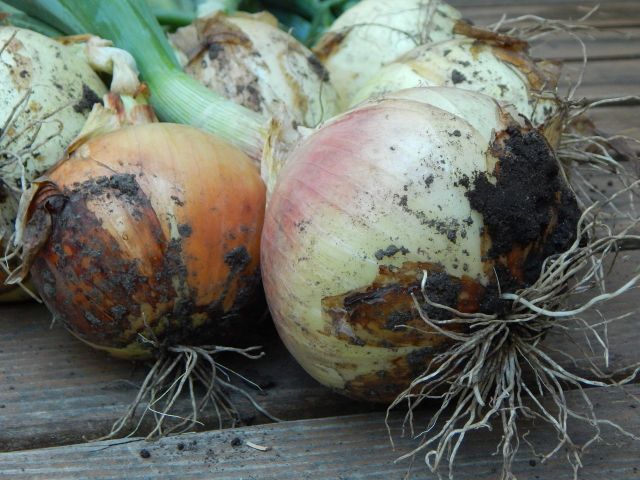
Until I wrote the The Complete Guide to Pickling, I rarely pickled onions on their own. I dropped slices into other pickle jars, from refrigerator zucchini to canned bread-and-butter cucumbers to fermented kimchi. They weren’t just garnish and always ended up on sandwiches or in breakfast potatoes. But I rarely devoted pantry or fridge space to jars of pickled onions.
Once I started creating just such onion-focused recipes for the cookbook, I couldn’t stop. There were so many fun variations, flavors, and uses. Now I’m simply making the book’s recipes for my own enjoyment, and if you open my fridge today—you’ll find plenty of onion pickles.
Read more about preserving onions and learn to make Apple-Sweetened Yellow Onions
Kitchen Favorites: Cookware and Canning Cookbooks

I’m excited to share two pieces I worked on earlier this year that have made it live on The Spruce Eats: one on stackable cookware and one on canning books. The topics may seem to have little in common, but both articles feature favorites in my personal kitchen and will hopefully help you in choosing tools and resources.
Read more about cookware and canning books
Preserving Chilies

Just like the cabbage I wrote about last week, chilies feature heavily in my pickling cookbook, The Complete Guide to Pickling. I pickle and preserve them on their own in recipes ranging from Beer-Pickled Jalapenos to Spicy Vinegar and from quick-pickled Chile Rings to fermented hot sauces. I also drop them into many of the savory pickles in the book and even a few of the sweeter ones, like Jerk-Spiced Banana Pickles.
Do I preserve so many chilies because we grow more than 40 pepper plants every year, or do we grow that many plants so I have boxes of chilies? It’s hard to say, but at least half of our homegrown peppers carry a mild to a fiery heat. Jalapenos and poblanos take up much of the hoop house space, but I bump up the Scoville scale with serranos, bird’s eye chilies, habaneros, and cayenne peppers.
The mix varies each year—as does the quality and size of the harvest. After buying and pickling pepperoncini to test for a new recipe for the cookbook, I grew some of these mild chilies for the first time last year. They started turning red when they were smaller than my thumb, so I pickled them in pint jars. This year, a plant from Swan River Gardens has grown taller than the cherry tomato cages and produced peppers longer than my index finger. Two half-gallon jars are stuffed full in my fridge, and more peppers are ready to harvest.
Read more about preserving chilies and learn to make Sambal Oelek (Chile Paste)
Preserving Cabbage
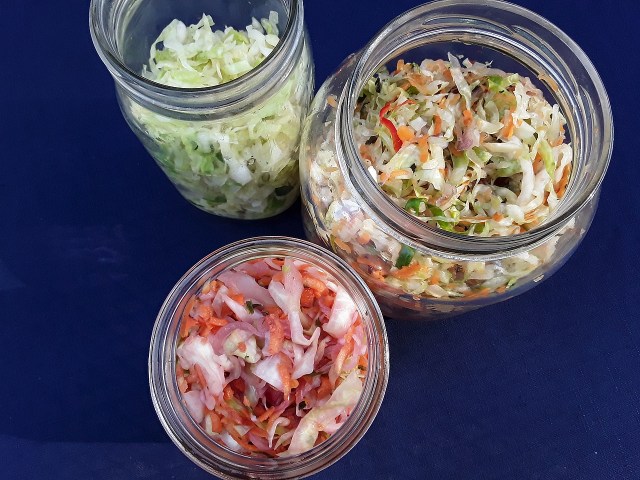
When Americans think of pickled foods, they often start with two vegetables: cucumbers and cabbage. For both types, the options extend far beyond basic dill slices and sauerkraut. I included 11 cucumber and 7 cabbage pickles in The Complete Guide to Pickling, ranging from quick pickles to relishes to ferments.
In the cabbage category, curtido has become one of my favorites. This pickled cabbage slaw originated in El Salvador and typically combines cabbage, onion, and oregano, sometimes adding other flavors like carrot, chili, garlic, lime, and cilantro. It comes together in just 20 minutes, but letting it sit in salt for a couple of hours to draw out the vegetables’ natural liquid keeps the mixture from becoming watery. After it sits another 6 hours, the curtido is ready to eat—but it keeps in the fridge for several weeks.
Read more about preserving cabbage and learn to make Eight-Hour Curtido
A Year of Pickles

It’s hard to believe that this time last year I was gearing up for the launch of my first cookbook, The Complete Guide to Pickling. The timeline of writing and publishing a book means that I spent September 2020 sitting on my hands, resisting the urge to share my favorite recipes from the book ahead of the sales schedule and Brenda Ahearn’s stunning photos from my side project, The Pickled Picnic recipe collection, before the cookbook’s release.
As the cookbook’s official on-sale and launch party dates approached, I shared a handful of recipes from the book and offered details on some helpful tools I’d discovered while working on the project. This year, I’m able to get a jump on sharing new recipes from the book while many of us are still in the heart of harvest season.
Sample recipes from The Complete Guide to Pickling
