Pot Stickers

Tasty pot stickers can be hard to find but make a fun project at home. Get dumpling recipes at TwiceasTasty.com.
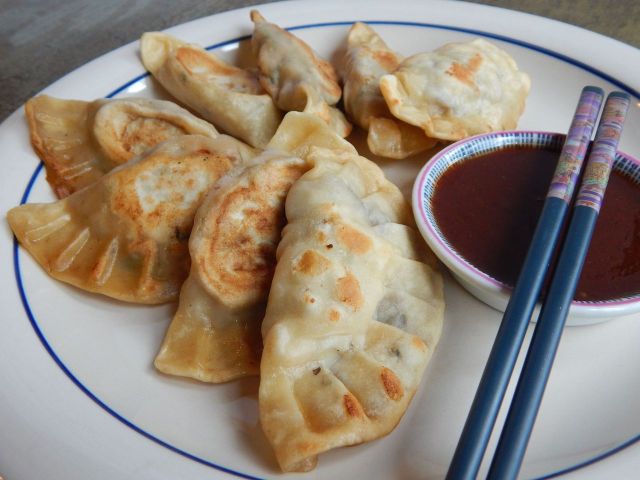
I fell for pot stickers as a kid. For special occasions, we’d meet my Uncle Sunny and Aunt Ginny in Portland, Oregon, at their favorite Chinese restaurant. My uncle was one of those people who made friends at his frequented haunts; he and the restaurant’s owners probably swapped their favorite spicy mustard recipes. As a kid, it amazed me that the staff knew to bring my sister a Shirley Temple, my mom fiery eggplant, and me vegetable pot stickers.

Vegetarian pot stickers can be hard to come by even in cities; the standard fillings lean toward pork. In northwest Montana, they’re nonexistent. Luckily, a local friend with Chinese roots loves to cook and share her creations, and I treasure invites to her kitchen. For a pot sticker gathering, we mix up batch after batch of dough and filling, just eyeballing the ratios, and many hands form it all into neat—or not so neat—edible packets. It’s a bit like making pie crust with Grandma Tiny: this recipe, which I make at home, is my best version of those recipe-free evenings with a practiced guide.
Learn to make Scratch-Made Pot Stickers with homemade fillings

Getting Stuffed

Food that comes in its own edible wrapper can be fun to make and eat. Learn more at TwiceasTasty.com.
There’s something special about food that comes in its own edible wrapper. It can be filling, comforting, flavorful, unique—but mostly it’s fun to eat. It can also be fun to make if you approach it with the right mindset.

Self-contained perfect bites have plenty of advantages. Some, like Sourdough Empanadas, travel well and make ideal meals at school or work. Others, like Pumpkin–Goat Cheese Ravioli with Butter–Nut Sauce, can be frozen for later quick-and-easy meals. With Mushroom-Stuffed Blini, it’s hard to decide whether the freshly made packets or the leftovers, sautéed until crispy, taste best.

These scratch-made recipes also have a downside: They take time and effort. The key is to keep the entire process relaxed and fun. I have several tricks that will help you enjoy the time, break the project into stages, and sample some of your creation along the way. Hopefully these tips will ease you into some of the food projects already on the blog—and the new ones I’ll be sharing this month.
Read more about getting stuffed

Spiced Shrimp

 By changing the tang, two similarly spiced dishes taste completely different yet complement each other beautifully. Get spiced shrimp recipes at TwiceasTasty.com.
Like last week’s spiced potatoes, shrimp play well with so many flavors—including Indian spices. You could simply turn that potato recipe into a shrimp dish, cooking the sauce first and adding the shrimp at the end. But if you want to serve shrimp and potatoes together, it’s more fun to vary the flavors.

I like to do that by changing the tang. Last week’s potato dish picks up tang from pickle brine, tomatoes, and as an optional bonus, tamarind. This week’s shrimp dish grabs it from yogurt. I get more flavor from homemade yogurt, but store-bought also works. With that flavor shift, you can rely on the same spice base. A little onion, garlic, and ginger just enhances the base.

In the end, two similarly spiced dishes taste completely different yet complement each other beautifully. The same concepts can be applied to many other spiced shrimp dishes, letting you use your pantry power to put sunshine on your table even when you’re snowed in.
Learn to make Indian-Inspired Shrimp in Yogurt and other variations

Spiced Potatoes

Potatoes readily absorb anything you add to them, making them perfect vehicles for all sorts of spices. Get potato recipes at TwiceasTasty.com.
We grow and eat lots of potatoes, especially ones we’ve stored for winter: waxy reds and bright purples ideal for salads, starchier white varieties I use in gnocchi, and yellow potatoes that go into soups, curries, mashers—really, almost anything. Each variety tastes subtly different, but all readily absorb any flavor you add to them, making them perfect vehicles for all sorts of spices.

I often bring potatoes when teaching Twice as Tasty Indian Spices workshops, but we keep the workshop recipes simple so that the participants’ newly created spice blends can shine. At home, I sometimes reach for a homemade masala but just as often grab separate ground or whole spices. Because I’m generally rich in pickle brine, that often lands in my potato dishes for a sweet-and-sour effect. Keep reading after the recipe for more flavoring ideas.
Learn to make Indian-Inspired Sweet-and-Sour Potatoes and other variations

Pantry Power

Savor flavors from around the world right from your cupboards. Learn more at TwiceasTasty.com.
February is always the test of my pantry’s power. How well did I plan for winter? Did I can enough jams, salsas, and sauces? Did I properly cure my potatoes, onions, and garlic so that they’re still edible? Did I freeze enough pesto, berries, and corn? Did I dry enough basil, oregano, and rosemary?

With some effort and some luck, all of the answers are yes and we’re eating well all month long and far into spring. When the stored and preserved harvest doesn’t taste quite as good as fresh off the vine, I make up the difference and then some from other shelves in my pantry: the ones with spices and condiments. With a bit of this and a dab of that, it’s possible to savor flavors from around the world right from your cupboards.
Read more about finding your pantry’s power

Pickling Tools & Hacks

Use tools already in your kitchen to make pickles. Read more about pickling tools and hacks. Learn more at TwiceasTasty.com.
I’ve been hearing all week from people receiving their copies of The Complete Guide to Pickling. Now that it’s in your hands, I hope you’re excited to start making some tasty pickles. But where to begin, and what do you need?

In writing this book, I not only expanded my pickling repertoire but also tested a range of tools designed to make pickling easy and foolproof. I only had space to briefly describe some of those tools in the book, so this month I want to share some of my favorites and why you may want to add them to your pickling toolbox.

But let me be clear: you can make most of the pickles in The Complete Guide to Pickling using tools that are already in your kitchen or that you can pick up easily and cheaply. That’s how I first started pickling on my own, and I still reach for many of these tool hacks today. I recommend starting this way—you’ll quickly learn what should be at the top of your list for a tool upgrade.
Read more about pickling tools and hacks

Fun Pickles

Fun Pickles. Get the recipes in The Complete Guide to Pickling by Julie Laing.
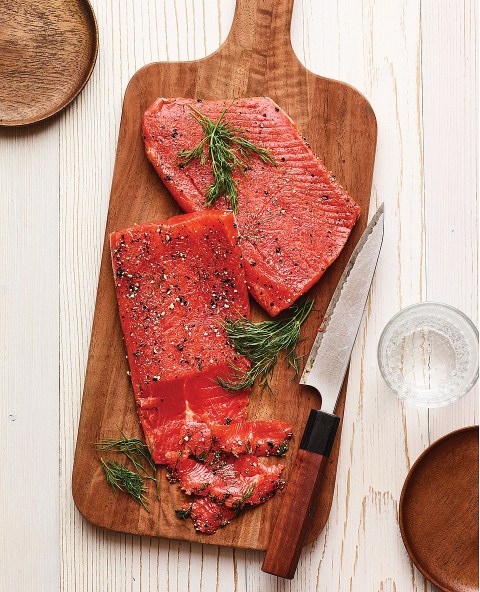
Gravlax (Salt-Cured Salmon). Photograph by Andrew Purcell.

In case you missed the news: my pickling book went on sale this week! The Complete Guide to Pickling is officially out in the world for you all to read and enjoy. As a bonus, I’ve also released The Pickled Picnic, a digital recipe collection that uses some of the pickles in my new book.

Both the book and the bonus collection are packed with fun recipes. But if you’ve been impressed by the flavors I’ve shared so far, just wait until you get to the final chapter of the book. These pickled foods will take your pickling experience to an entirely new level. I know, because that’s what they did for me.
Read more about fun pickles and learn to make Sweet Vinegar-Pickled Eggs

Fermented Pickles

Fermented Pickles. Get the recipes in The Complete Guide to Pickling by Julie Laing.
Fermented Pickles: Fermented Red Onions and Half-Sour Dill Pickles. Photograph by Andrew Purcell.

My love of pickles jumped several levels the moment I tasted my first batch of fermented pickles. I grew up with some delicious pickles: homegrown veg stuffed into jars, covered in vinegar brine, and sealed to enjoy all year. And I share many of those classic family recipes, some with modern twists for safety or flavor, in my new cookbook, The Complete Guide to Pickling. But I must admit: If you want to make truly amazing pickles, ferment them.

I talk a lot about fermentation in my new book. Whether you’re new to fermenting or have already fallen for salt brine, be sure to check out Chapter 1, where I explain the differences between vinegar-preserved and fermented pickles and walk you through my fermentation process, step by step; I also describe some of my favorite fermenting ingredients and tools in that chapter and offer many shortcuts for simply using what you already have in your kitchen. Then flip to Chapter 4 and drool over the recipes for fermented pickles. But don’t stop there. As you become more familiar with the book, you’ll realize that I’ve sprinkled fermented recipes throughout the remaining chapters of the book: Scratch-Made Sriracha, Fermented Rhubarb Pickles, Tepache, and more.

Many people feel nervous about fermenting because of its wild nature. But really, it’s one of the simplest ways to pickle food. Once you know what to expect in terms of time, appearance, and smell, you too will likely become hooked on the texture and flavor of fermented pickles.
Read more about fermented pickles and learn to make Chinese-Inspired Brined Beans

Fresh Pickles

Curried Green Tomatoes. Get the recipe in The Complete Guide to Pickling by Julie Laing.
Curried Green Tomatoes. Photograph by Andrew Purcell.

When most Americans think of pickles, they think of what I’ve gathered into the Fresh Pickle chapter in my new cookbook, The Complete Guide to Pickling: vegetables pickled in vinegar and either stored in the refrigerator or canned in a boiling water bath. The recipe list for that chapter includes some pickles that are likely old favorites (Kosher-Style Dill Pickles and Water Bath-Processed Beets) but also some fun, possibly new-to-you flavors (Curried Green Tomatoes and Szechuan-Spiced Cucumber Rounds).

But some of my new favorite fresh pickles fall in a later chapter of the book: Sweet and Fruity Pickles. I was surprised by how much I loved creating the pickle recipes in this chapter, because I generally turn up my nose at pickles labeled “sweet.” But that term is usually applied to pickled vegetables, like cucumbers and beets, that my brain doesn’t register as needing to be sweet. Fruit is a different story: whether I’m adding sugar or relying on the natural sugars within a fruit, my taste buds find that sweet and fruity pickles balance beautifully with the tang of vinegar or salt brine.
Read more about fresh pickles and learn to make Fresh Pears with Lemon

Quick Pickles

Pickling sweet peppers. Get the recipes in The Complete Guide to Pickling by Julie Laing.
Preparing quick pickles from bell peppers. Photograph by Andrew Purcell.

My forthcoming cookbook, The Complete Guide to Pickling, opens its recipe chapters with quick pickles. If you think you don’t have time to pickle, polished off your favorite jar, or simply ran out of patience, this chapter is for you. Quick pickles are just like they sound: snappy, zippy, and ready to eat in anywhere from 15 minutes to 24 hours. They typically need just a handful of ingredients and a few minutes of prep. I make them in small, speedy batches.

A few tricks made it easy for me to create 25 recipes for the Quick Pickle chapter. Some use delicate vegetables, like avocados. Others thinly slice, smash, or grate their main ingredients, like Szechuan-inspired Smashed Cucumbers, Roasted Beet Pickles, and Ginger-Spiked Carrot and Apple Pickle. Some, like the Bell Pepper Slices in the photo, could be stored but lose their brightness over time. You’ll find other quick pickles scattered throughout The Complete Guide to Pickling: Sambal Oelek and Harissa are chile pastes that can be used as soon as they are made, several fresh salsa recipes are prep and eat, and many pickles based on fragile fruit, such as blackberries, peaches, and strawberries, are best the day they’re made.
Read more about quick pickles and learn to make Russian-Inspired Pickled Mushrooms