Queso blanco, paneer, whole-milk ricotta, farm cheese, lemon cheese—they’re the same cheese by different names. Even where recipes for them may vary, they share two features: all form curd through the addition of an acid, and all coagulate because they are heated above 176°F, the temperature at which the milk protein casein “sets.” This makes Lemon Cheese, my preferred name because I like to use lemon juice to form the curd, surprisingly simple and easy to make. This recipe is also a great first cheese because you need few special tools or ingredients: just cheesecloth, a thermometer, and ideally cheese salt. You can make about 2 pounds of cheese from a gallon of milk, but I prefer to use some of that gallon to make yogurt.
Learn to make Lemon Cheese and Fresh Yogurt
Tag: breakfast
Quick Freezer Breads
When I was growing up, my mom was forever trying to find uses for my dad’s giant annual squash crop. My dad has a sweet tooth, so chocolate zucchini cake was a favorite way of putting more the zukes in our bellies. My dad is also a fan of butternut squash cooked in its skin, sliced in half, and deseeded so that its cavity could be filled with butter and brown sugar.
I didn’t inherit that sweet tooth. The cake was OK, but I detested the sugary squash and even pumpkin pie when I was growing up. It wasn’t until I left home and tried savory squash soups that I developed a taste for these vegetables. As you can see from my squash-based recipes, such as Zucchini Pancakes, these quick breads, and even Pumpkin–Chocolate Cookies, I still look for more flavor and less sugar when baking with summer or winter squash. Learn to make Zucchini Sesame Bread and Harvest Pumpkin Bread
Granola
Granola is a beast in the food world, racking up $2 billion in U.S. sales annually. But it can be easily made for a fraction of the cost of a 12-ounce package, and it’s endlessly adaptable to dietary needs or preferences or to what’s in the cupboard. It can be made in a low-temperature oven, which requires you to check and stir regularly to ensure even toasting. I prefer to dry it: Throw all the ingredients in a bowl, mix, spread on dehydrator sheets, and let it run overnight for a fresh morning batch.
Like salad dressings, all you need for granola is a basic recipe that gives ideal proportions. At last summer’s Montana Cup, Twice as Tasty recipes were featured in two batches of granola, one nut free and the other certified gluten free. Both showcased local and regional ingredients, and both versions were based on my basic granola recipe.
Learn to make Basic Granola and Nut-Free Gourmet Granola
Winter Creations
These first few weeks of the year have been busy at Twice as Tasty. The first monthly newsletter just hit the inboxes of email subscribers. If you’re following this blog via email, you should have received a copy. But if you’re following via WordPress, you’ll need to sign up here. Once you do, you’ll still receive post notifications via WordPress, but you’ll also get an email once a month with a link to a downloadable and printable PDF version of the latest recipes so that they’re easy to use in your kitchen.
If you’re local, there’s still plenty of time to sign up for a sourdough or other winter workshop. I’ll also be giving a free public sourdough workshop at Free the Seeds next month. For nonlocals, keep your eye out for Twice as Tasty on Pinterest starting later this month—including links to fabulous winter creations that can be made in any kitchen.
Read more about winter creations
Sourdough Breakfasts
When most people think of sourdough, they picture a bread loaf with a crackling crisp crust and moist, tangy interior. But when you play with sourdough, you quickly discover bread is just one of many possible creations—and not necessarily the easiest.
My sourdough adventures began a couple of years ago, when I was gifted an old starter that had been lurking in a refrigerator. It didn’t have the rising power necessary for a loaf of bread; it required strength training. As I noted last week, the process of feeding a starter works like this: Pull out some starter, replace it with flour and water, and then let it work its magic, repeating the process until it readily ferments, bubbles, and grows. But I was loath to throw away weaker starter. Fortunately, a range of low-rise treats grab all the flavor with little effort.
Learn to make Sourdough Pancakes and Sourdough Waffles
Quick Breads
As a kid, I loved the shape of muffins; breaking the cap from the base was my version of twisting open an Oreo. These days, I prefer quick breads for one reason: the freezer. A stack of zucchini, pumpkin, banana, and cranberry breads takes up far less space than the same four batches of muffins. Besides, toasting is the only way to reheat; a microwave is just not the tool for defrosting baked treats. If you have a toaster oven (which I recommend for many reasons), there’s no bread vs. muffin argument. But if you’re a traditional toaster owner—well, you can imagine the mess of slicing a frozen muffin to fit.
Fortunately, you can easily convert your favorite muffin recipe to a loaf: They’re the same product, just in different pans. Even better, you can base them on a ratio and change the flavors to match your mood or the season. Learn to make Ratio Quick Bread and Quick Cranberry Bread
Apples
Applesauce is among my earliest canning memories, in the kitchen and on the tongue. My dad grew several varieties of apples, and every year my mom would puree the fruit into dozens of quarts of applesauce. I recall pushing down on softened apples with a wooden mallet while my mother cranked away on the handle of the Victorio food strainer. I called it the “Victoria strainer” and clung to the idea that the British queen once used a similar device.
But my favorite applesauce was made by my grandmother. Grandma Tiny chopped apples by hand for small batches she stored in her freezer. Her “chunky applesauce” outshined all others. Mom’s applesauce did have one advantage: we could pour it onto dehydrator trays and dry it into fruit leather for school lunches. Between the two versions, I was spoiled to all other applesauce and have never been able to stomach commercial forms.
Learn to make Grandma Tiny’s Chunky Applesauce and Auntie Julie’s Fruit Leather
Cucumbers
As a kid, I helped my mom processed dill pickles in vinegar brine and what my family called “sweet pickles,” which tasted nothing like the ones on a restaurant burger. It was years before I learned that what I considered sweet pickles were typically sold as “bread-and-butter” pickles. They fall somewhere between the tangy dills and the sugary sweets. And I could eat them by the jar.
When I started canning on my own, pickles were in my first jars. They’re easy to pack and process, the vinegar ensures food safety, and the options for spices in the standard brine are endless. My mom followed the version in the old Ball Blue Book, but Ball has since updated its recipe and other authors have inspired me to make a few tweaks to the flavorings—and to use the brine once the jar is empty. Learn to make Better Bread-and-Butter Pickles and Braised Breakfast Potatoes
Raspberries
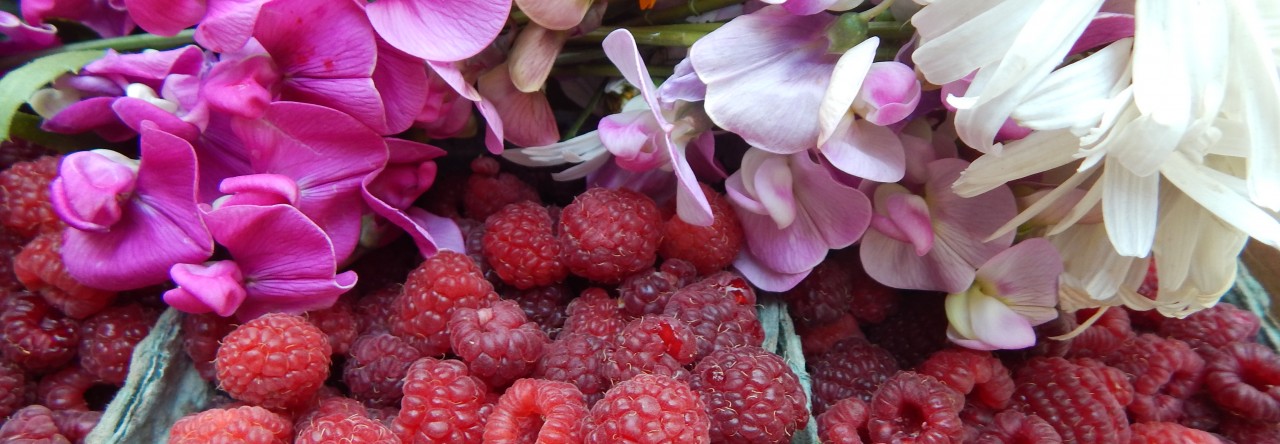
Raspberries are probably my favorite fruit; as a kid, I used to walk barefoot in PJs to the berry patch and pick them straight onto my bowl of Cheerios. Strawberries may be a close second. After everyone from my 4-year-old nephew to newlywed friends told me how they gobbled up Chamomile-Scented Strawberry Syrup, which I made using Liana Krissoff’s Canning for a New Generation, I was prepared to put up an even larger batch the next year—only to have the strawberry patch fall short. But raspberries came in with a bumper crop, so I decided to attempt an adaptation. Then while I was prowling online, I found Carey Nershi’s fabulous cocktails at Reclaiming Provincial and knew I needed to start in the oven. The idea of roasting delicate raspberries may seem odd, but that step adds another level of flavor that’s irresistible in syrup, jam, or salad dressing. Learn to make Roasted Raspberry Syrup and Apricot–Raspberry–Mint Jam
Tart Cherries: Sweet
My area is known for its sweet Flathead (Lambert) cherries, but I grew up with a pie cherry tree that I would climb into to pick its tart, bright red fruit—and often eat right within the branches. So let that warn you as to how tart I like my cherries.
If you’ve read the Canning Tools page, you may have noticed a slow cooker on the optional list. Fruit butters are entirely the reason. Fruit butters use both pulp and juice (unlike jelly) but let a long cooking time evaporate excess moisture and build dense texture and flavor (unlike jam). I use a slow cooker to make all fruit butters, which lengthens the cooking time but makes the process nearly hands off and burnproof. Add some spices to the reduction, and the cherries pop. If you have more cherries than your slow cooker can hold, set them aside for scones. Learn to make Tart Cherry Butter with Chai Spices and Sour Cream Scones with Tart Cherries
