

Dairy fermentation is a bit different from fermenting vegetables for pickles or sourdough for bread, but all of these techniques have a gateway recipe that opens a whole new food world. As I explain this week in my Twice as Tasty column for the Flathead Beacon, yogurt was my fermented dairy gateway. Once I realized how easy it is to turn milk into fresh yogurt at home, the idea of making cheese and other dairy products became far less daunting.
These days, about half of the fermented dairy products in my fridge are homemade. I make sour cream every time I reach the bottom of the jar and fresh yogurt nearly as often. Cheeses come and go as the whim hits me: sometimes I crave Dry-Salted Feta for shakshuka, and sometimes I’m pressing Homemade Farmer’s Cheese for Paneer Tikka Masala or cutting and salting squeaky cheese curds to serve over oven fries with Vegetarian Mushroom Gravy as poutine. I gained the confidence to make these and even pressed and aged cheeses after mastering homemade yogurt.
Learn more about making dairy products and get the complete recipe for Homemade Small-Batch Yogurt in my column.
 Make it, share it.
Tag @twiceastastyblog and #twiceastastyblog
Twice as Tasty
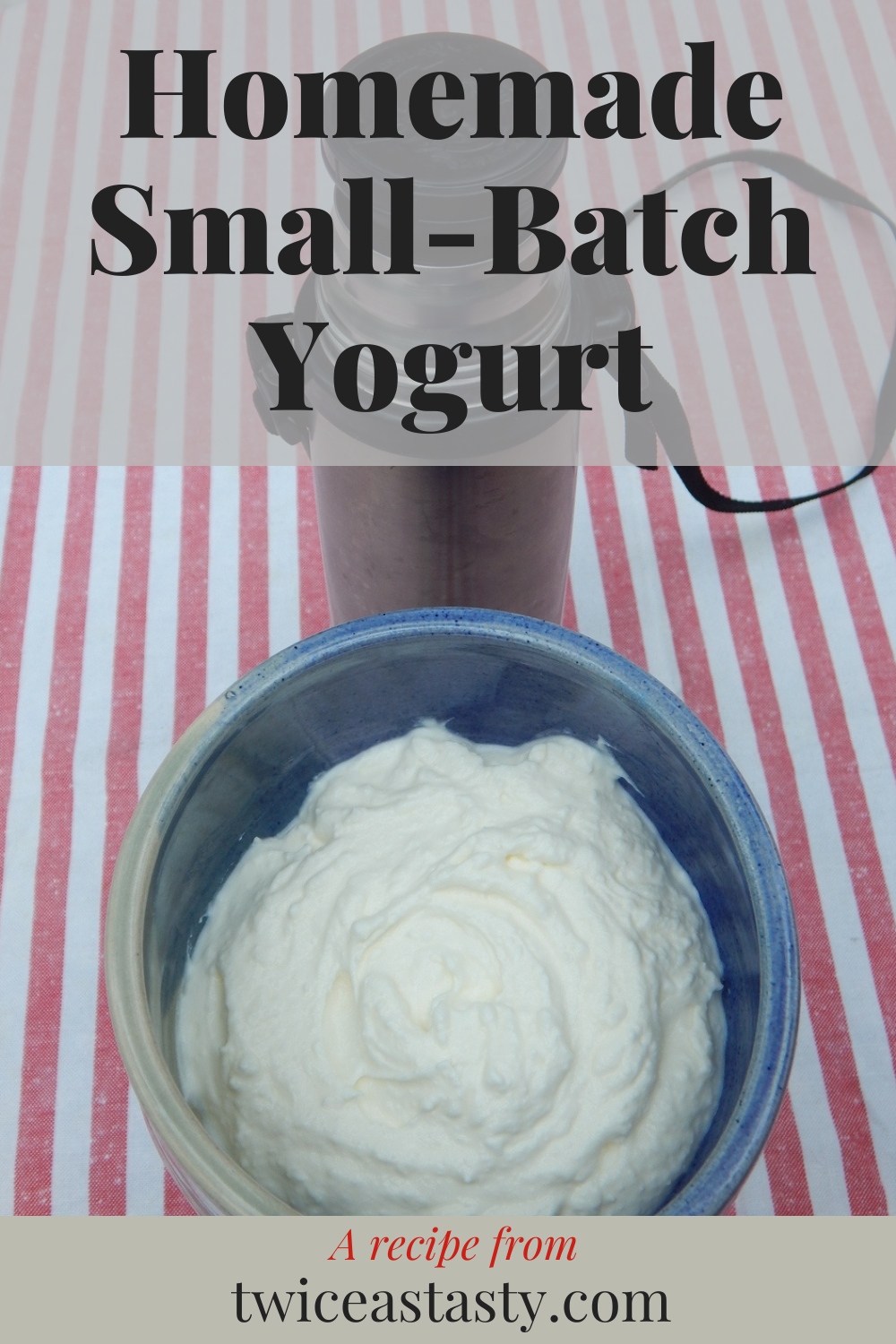 Through my decades of making yogurt, my basic recipe hasn’t changed, and I still teach my original techniques in yogurt and cheese workshops. Research and experiments have produced a few troubleshooting tips that may come in handy:
- Keep a separate seed culture. When you move freshly made yogurt from the thermos to its storage jar, set aside a little bit in a separate, smaller jar to use as the starter for the next yogurt batch. I’ve found this seed culture stays viable longer when stored on its own and can be refreshed with a little milk to extend its active window. You also minimize contamination—and the risk of mistakenly eating the starter portion.
- Taste and adjust. If your homemade yogurt tastes overly sour and seems watery, use a little less starter in your next batch. More starter creates more acid and stronger whey separation. The same is true of time: Check your first batch after 4 hours. Let it sit longer if it’s still runny, but also taste it occasionally, especially once you see clear, yellowish whey on the surface.
- Play with thickness. Whole milk produces thicker yogurt than low-fat milk, but you still need to strain off some whey if you want a dense Greek-style yogurt. Don’t throw out the whey; save it for tangy mashed potatoes, fluffy muffins, and more. Dry milk powder also acts as a thickener for homemade dairy products. To avoid lumps, whisk it in completely before you warm the milk.
- Check the temperature. A batch of yogurt rarely fails to set, but it can happen—mainly if the yogurt cools below 105°F before you add the culture. For a second chance at thickening, reheat the batch to 110°F and put it in the thermos with 1 tablespoon of fresh starter to ripen for at least 4 hours. I use a Thermapen digital thermometer for quick, accurate temperature readings.
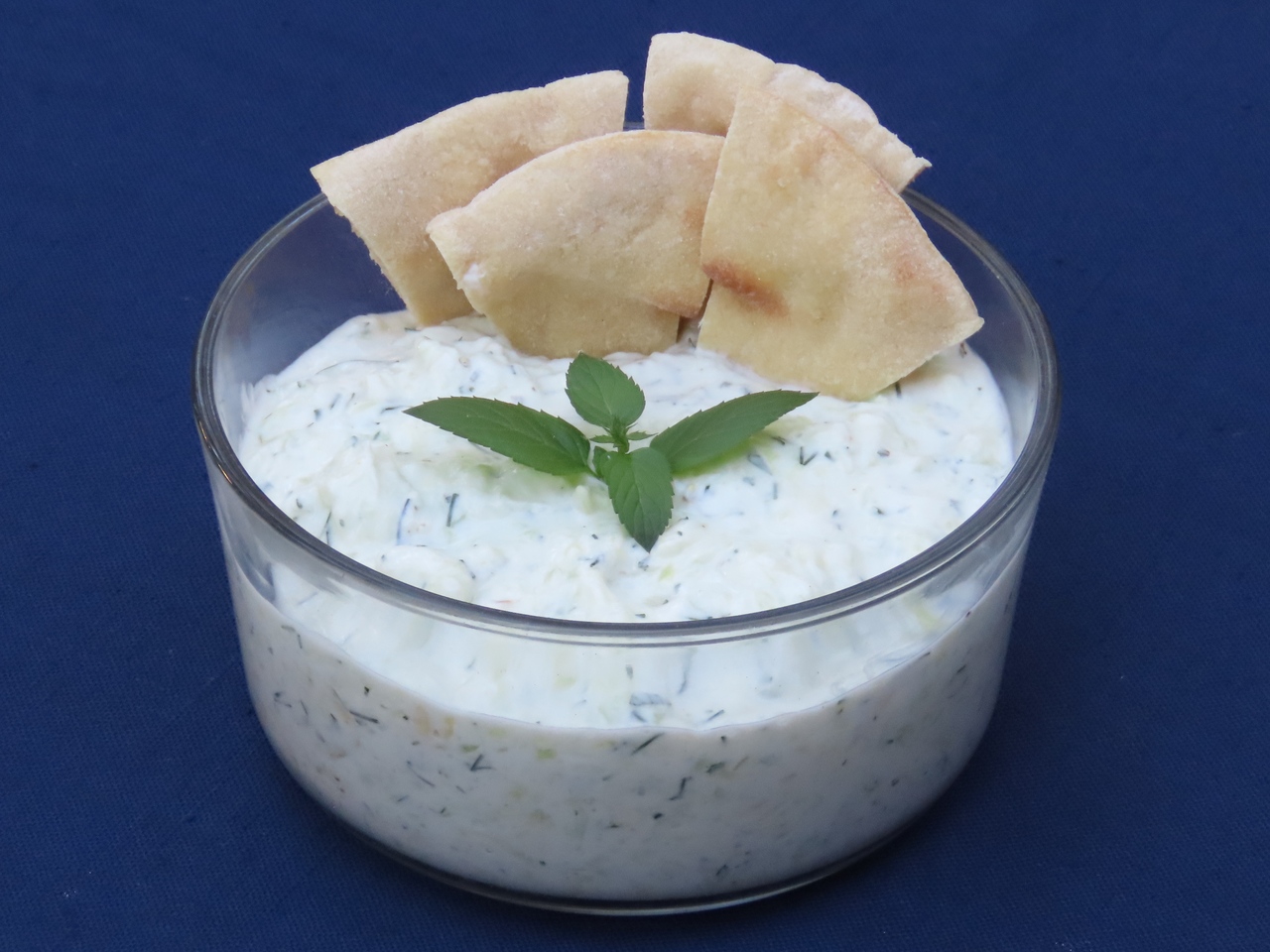
Learn more about fermenting dairy products on this basics page. You can find recipes that use homemade yogurt, like Tzatziki (Cucumber Yogurt Sauce), in the recipe index.
Want more Twice as Tasty recipes? Get my books! Click here to order a personally signed, packaged, and shipped copy of The Complete Guide to Pickling directly from me. I also share tasty ways to use pickles in The Pickled Picnic; it’s only available here.
Discover more from Twice as Tasty
Subscribe to get the latest posts sent to your email.
