Ricotta: Fresh and Aged

Enjoy ricotta fresh, or salt and age it to take the flavor to a new level. Get ricotta recipes at TwiceasTasty.com.
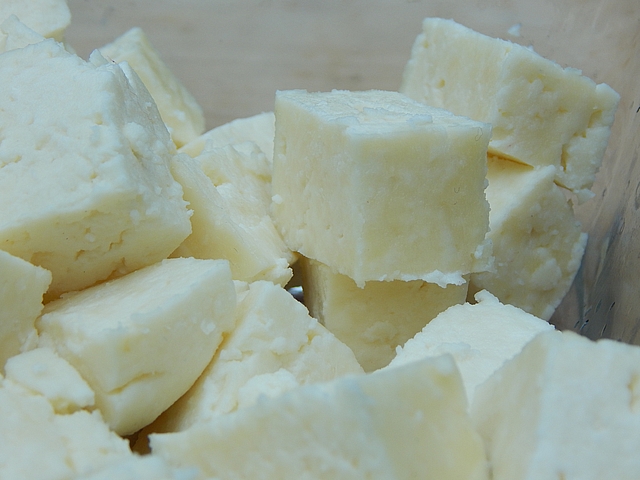
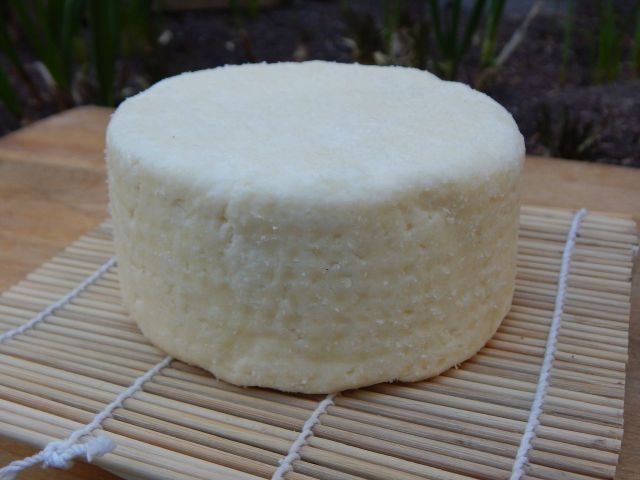
Ricotta didn’t interest me as a homemade cheese until I spotted an aged, salted version in Karen Solomon’s Jam It, Pickle It, Cure It. She described its texture and saltiness as resembling Romano but less complex. That, I thought, is a cheese I could love. Homemade Romano is a cultured cheese that is repeatedly molded, pressed, brined, and salted before it is aged 8–12 months. So a substitute that takes less than an hour of hands-on time and is ready in a week or so seemed perfect.

This aged cheese starts with ricotta made entirely from fresh milk. If you already make Lemon Cheese, the ricotta recipe will look familiar: it’s essentially the same cheese, although I tend to drain it for less time so that it’s soft and moist. Like the lemon version, it can be eaten fresh. I often make a double batch of ricotta, setting aside half to enjoy straightaway and aging the other half into the Romano replacement.

The only ingredient difference between Whole-Milk Ricotta and Lemon Cheese is the acid used to separate the curds from the whey. The ricotta recipe uses citric acid, a powder with a sour, neutral flavor rather than a lemony one. It’s usually easier to find than the cheese cultures in last week’s post; if you can’t buy it from a local natural-foods store, you can order it online from the sources I provided for cheese cultures.
Learn to make Whole-Milk Ricotta and Ricotta Salata

Soft Cheeses

Learn to make soft cheeses, and you have so many choices. Get soft cheese recipes at TwiceasTasty.com.
I’ve always loved the tang of goat cheese, or chèvre. Unfortunately, goat milk is hard to find in my area. Local stores tend to carry one ultrapasteurized brand or a powdered version—neither of which works for cheese. Regulations for selling milk directly to individuals are so strict, convoluted, and enforced that it feels like a black market. I occasionally trade with friends who are milking goats (and have momma and babies willing to share), but mostly I gave up on making soft cheese.

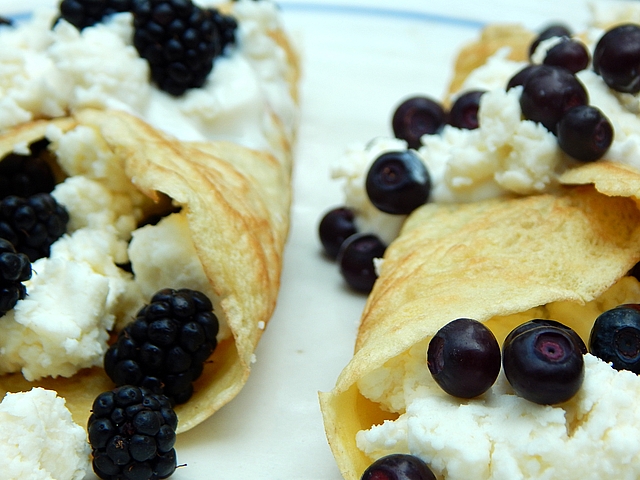
That changed when I took a chance on fromage blanc. I’d written off this cow’s milk cheese as too mild for my tastes. But it has a surprising amount of tang and flavor. Best of all, the technique for soft cheeses really does work across milk types—cow or goat, reduced fat or whole milk or cream. It can be soft and spreadable or drained until it crumbles. It can be shaped or molded, and it absorbs flavors like herbs, zests, and spices. Learn to make soft cheeses, and you have so many choices. You can do it!
Learn to make Homemade Fromage Blanc and other soft cheeses

Cheese: You Can Do It!

The first thing to know about cheese making is that you can do it! Learn more at TwiceasTasty.com.
Spring is working its way into Montana. This means 4 weather cycles in a day, plenty of mud, the first harvest of walking onions, and baby animals in the barn. At the farm where I garden, two baby cows have arrived, with a third on the way. Although the mommas will keep their milk for their newborns, it always seems like the perfect time to explore home-fermented dairy and cheese.

I’ve spent little time making cheese over the past year. A year ago, I skipped my planned cheese posts to extend the sourdough giveaway and share ways to eat well when stuck at home. Then I co-opted my “cheese cave” (aka mini dorm fridge) for pickles while I was launching my new book.

But last month, while filling pierogi with potatoes and Lemon Cheese, I was reminded just how easy it is to make cheese and other dairy products. Here’s your reminder too.
Read more about making cheese

Mozzarella

Mozzarella was the first cheese I learned to make and use. Get cheese-making recipes at TwiceasTasty.com.
Mozzarella may seem like the epitome of soft cheeses, but as I’ve mentioned previously, it was the first cheese I learned to make. I have to thank the Cheese Queen, Ricki Carroll, for this: her books, kits, and company are the reason most people, including me and my young niece, started making cheese at home. Most of the recipes you’ll find today for quick mozzarella are nearly identical to her original kit instructions, including mine. But after years of making mozzarella at home, I’ve learned enough techniques and tips that I’m posting my own version, along with a recipe that will use the first harvest from your garden.
Learn to make Quick Homemade Mozzarella and Spring Pasta and Fresh Mozzarella Salad

Paneer

My freezer holds all sorts of vegetables ready to mix with homemade paneer for Paneer Tikka Masala. Learn to make cheese at TwiceasTasty.com.
Every April, I’m focused on two things: what I’m going to grow in my garden this year, and how I’m going to eat up everything I saved from last year’s harvest. Last week’s post used up not just the whey leftover from making yogurt but also the potatoes starting to sprout in my storage bins. This week, I dug deeply into my freezer and found all sorts of vegetables for an Indian dinner: cherry tomatoes, onions, peppers, garlic, and cilantro pesto. Flavor them with my dwindling supply of home-smoked chilies and homemade curry powder, toss in some freshly made paneer, and the flavors explode.

There are several other fabulous things about this week’s recipes. If you already make Lemon Cheese, you don’t need to learn to make paneer: you just need to learn how to press your cheese. If you don’t yet make this cheese, which also goes by queso blanco, whole-milk ricotta, and farm cheese, you have another reason to learn how.
Learn to make Fresh Paneer and Paneer Tikka Masala

Fresh Feta

I have a long list of reasons for making feta, starting with delicious and easy. Get homemade feta and salad recipes at TwiceasTasty.com.
I can give you a long list of reasons for making feta. It’s delicious. It’s relatively easy. It lets you become comfortable with many ingredients, tools, and techniques that are important in more finicky cheeses, including slow heating, powdered starter, held temperatures, curd cutting and stirring, hang draining, molding, and salting. It will impress all of your friends, if you decide to share. And did I mention how tasty it is?

In Greece and other Mediterranean countries, feta is as common as cheddar is in the United States. During my travels, I ate feta made from backyard goats and sheep, feta flavored with herbs just snipped in the garden, and feta in lots of salads. Feta is traditionally made from sheep or goat milk; if you can get your hands on either, you’ll get the best flavor. But even homemade cow’s milk feta tastes better than many of the most readily available commercial types.
Learn to make Dry-Salted Feta and Warm Quinoa and Feta Salad

Making Better Yogurt and Cheese

Making new styles of cheese has taught me a few tricks that apply to my homemade standards. Learn about making better yogurt and cheese at TwiceasTasty.com.
Each April, the recipes on Twice as Tasty focus on making cheese and other dairy products at home. Between the information on the blog and the workshops I’ve been teaching to everyone from adults to kids, the pool of home cheesemakers has been growing steadily all year.

As I wrote last year, yogurt was my first homemade dairy product. It’s still the milk-based product I make most often, partly because it’s so easy and partly because it’s so versatile that I eat it all the time. This also means I’m constantly finding new ways to improve my yogurt-making skills.

I’ve also been playing with variations on acid-based cheeses and delving into new cheese styles and dairy products. Some of these will be the focus of blog posts in the coming month. But these styles have also taught me a few tricks that apply to my homemade standards. So before I offer you new recipes, here are some things I’ve learned in the past year about making yogurt and cheese.
Read more about making better yogurt and cheese