Choosing Soup Ladles

For a recent piece for The Spruce Eats, I tested 15 soup ladles. Learn more at TwiceasTasty.com.
I’ve put quite a bit of thought into recipes for a wide range of soups, but I didn’t think much about the tool I use to serve those soups until I tested 15 soup ladles for The Spruce Eats. It turns out that how comfortably and cleanly you scoop soup from a pot and pour it into a bowl depends mostly on the ladle shape, size, and material. The latter can be especially important if you have nonstick cookware. Size might be the key consideration if you make soup in a small saucepan or giant stockpot. And shape and other features can be crucial if you’re skimming fat, drizzling gravy, or pouring into an oversized mug or wide, flat bowl.

By testing so many ladles, I developed all sorts of opinions and ideal uses for various ladle shapes, sizes, and materials. I also made a lot of soups, many of which will be lunch and dinner staples now that cool weather is becoming the norm.
Learn about choosing and using soup ladles

Roasted and Curried Squash Soup

There are so many directions you can take squash soup, and every spin you put on it changes the flavor. Learn more at TwiceasTasty.com.
If you’ve yet to fall for squash soup, now’s your chance. There are so many directions you can take this soup: different varieties (including pumpkin), various spices and herbs, chunky or smooth. As I explain this week in my Twice as Tasty column for the Flathead Beacon, every spin you put on it changes the flavor.

I find squash soup most flavorful if you roast the vegetables, add spices and finishing touches at the cooking stage that maximizes their flavor, and puree the soup to remove any potential stringiness and ensure balance in each spoonful.
Learn to make Roasted and Curried Squash Soup

30-Minute Tomato Soup

Make creamy tomato soup from scratch in just 30 minutes with what’s at hand. Learn more at TwiceasTasty.com.
In this week’s Twice as Tasty column for the Flathead Beacon, I share one of my favorite soup recipes. Even my sister, who grew up unimpressed by many tomato dishes, has gotten hooked on this soup. It’s quick, easy, and uses the homegrown produce that’s been stashed away for the winter. In the column, I share my storage methods for its main ingredients, hoping to entice you to plan ahead next growing season. I also tell you how to make it right now with whatever tomatoes and onions are in your kitchen.
Learn to make 30-Minute Tomato Soup

Quick Stock and Soup

During your soup prep, you can make a quick stock just for your evening meal—or to share with housebound family and neighbors. Get stock and soup recipes at TwiceasTasty.com.
I always have containers of various soup stocks in my chest freezer, just waiting for me to pull out and add to risotto, sauces, bean dishes, and chowders. But even my 5.5-cubic-foot chest freezer may be a luxury in your home. That doesn’t mean you need to miss out on the benefits of homemade stock.

By tacking just a little extra time onto your soup prep, you can make a quick stock just for your evening meal—no storage required. Quick stocks have many bonuses. They suck extra flavor and nutrients out of your soup scraps. That flavor changes every time you make a quick stock, aligning with the ingredients of your soup. Your soup will taste far better than if you just poured in water and far less salty than if you used store-bought bouillon or broth. All those benefits come at the cost of a few minutes spent on prep and a few cents spent on basic ingredients.
Learn to make Quick Top-to-Root Stock and Top-to-Root Minestrone

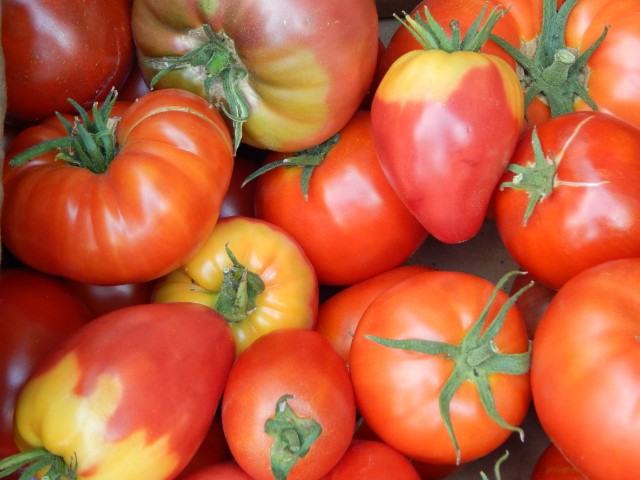
Tomatoes

Grilling and preserving pair perfectly, and their advantages stretch far beyond flavor. Get grilled tomato recipes at TwiceasTasty.com.
You’ve probably noticed that I love grilled vegetables. I also love home-canned goods, and the techniques of grilling and preserving pair together perfectly. The advantages of grilling for canning stretch far beyond flavor, particularly for tomatoes.

Grilling combined with freezing makes it easy to start processing vegetables as they ripen throughout the growing season, making preserving seem more like a habit than a chore. During tomato season, we pull the ripest fruit from the vine every few days. That evening, we fire up the grill and cook off a rack or two of tomatoes; the hot halves go straight into a colander set over a large bowl to drain off the juice—usually while we’re enjoying a grilled dinner. Once they’re cool, I pour the separated solids and juice into separate containers, weighing and labeling each before adding them to the freezer.

When the freezer’s full, I have two products ready for processing: solids and juice. Because the juice was drained off, any sauce or salsa doesn’t have to cook for hours to thicken. Because the solids have already been pulled out of the juice, I can quickly apply it to any recipe, from beverage to soup. In just a couple of hours, I can have several canner batches processed for long-term storage. The freezer is ready for the next round of preserving, and the canning shelves are full of delicious fire-roasted flavors.
Learn to make Grilled Tomato Pasta Sauce and Tomato Juice Soup