Herb Infusions

Salt and sugar get a bad rap for their effects on our bodies when consumed in large quantities, but their ability to act as a preservative is often underappreciated. Salt and sugar prevent spoilage and make it difficult or impossible for undesirable bacteria to grow. The rule of thumb for salt curing is that 20% salt keeps most undesirable bacteria at bay.

Although dehydrating and freezing are the most common ways to preserve herbs, the rising popularity of artesian salts and infusions has brought attention to herbs preserved in salt or sugar. The preservative pulls moisture from the herbs while keeping their flavor intact. Leaves plucked from the jar can be used as though they were fresh. The remaining herbed salt works best as the finishing touch, but infused sugar can also work within a recipe. A little of the flavored salt or sugar goes a long way, and the herbs keep a long time.
Learn to make Salt-Preserved Herbs and Herb-Infused Sugar

Freezing Herbs

If I could have only one garden, it would teem with herbs. Many of these easy-to-grow plants survive any climate or soil and are among the first shoots to appear each spring. Most are either perennials that return without fail or annuals that self-seed so readily one seed packet produces a perpetual crop. Herbs thrive on usage; the more you snip and pluck, the happier they become. Although the plants are rarely showy, a garden that contains herbs and edible flowers such as nasturtium, calendula, and viola is as delicious to look at as it is to harvest from.

Although fresh is best, herbs are easily saved for meals year-round. A little goes a long way, so even a couple of balcony pots will likely produce enough for use throughout the season. Many herb savers dehydrate their harvest, but some herbs, like chives, taste better when frozen.
Learn how to freeze chives and make Herb Butter

Risotto

Why do we consider pasta to be easy and versatile but risotto to be challenging? Italians, the masters of both, don’t see it this way. “Every conceivable vegetable, seafood, and meat can go into risotto,” says my sumptuously illustrated copy of Venetian Taste. “The frugal Venetian does not hesitate to stretch a bit of leftover into half a meal by amplifying it with rice.”

I have often eaten delicious risotto, but my first memorable one was in Venice, turned deep violet-black by cuttlefish ink. Although replicating this particular pairing is nearly impossible stateside, the pale, creamy rice dishes colored by local vegetables and various spices are well within reach. All you need is to start with the right rice and then adjust your standard technique for cooking it. The rest, as the Venetians would say, is due volte più gustoso.
Learn to make Fresh Improv Risotto and Sunshine Risotto

Stocks

I can’t recall when I started making soup stocks. All I know for sure is that vegetable stock and shrimp stock have long been staples in my freezer. The pair meets most needs, but I keep a lighter Corncob Stock and heavier mushroom stock on hand when growing season and freezer space allow.

Like salad dressings, stocks are easy to make and adapt. They’re also powerful: Replace water with stock when preparing soup, a sauce, or even plain rice, and you instantly elevate your dish to the next level. But stocks can be too powerful: Store-bought stocks are often too intensely flavored and too highly salted. By making your own, you can control everything from content to salt ratio to storage size. They can be made with whole vegetables, but they’re equally tasty from the trimmings off another meal. You don’t really need a recipe, but a few techniques can help. Learn to make Vegetable Stock and Shrimp Stock

Salad Dressings: Vegan

Last weekend, Twice as Tasty recipes had the honor of being featured at the 2016 Montana Cup, a regatta hosted by the North Flathead Yacht Club in Somers, Montana. As usual, the club provided two breakfasts and one dinner for more than 150 hungry sailors, but this year there were a few twists. With the help of Sailors for the Sea, NYFC hosted its first Clean Regatta, working to use less, recycle more, and source locally throughout the event.

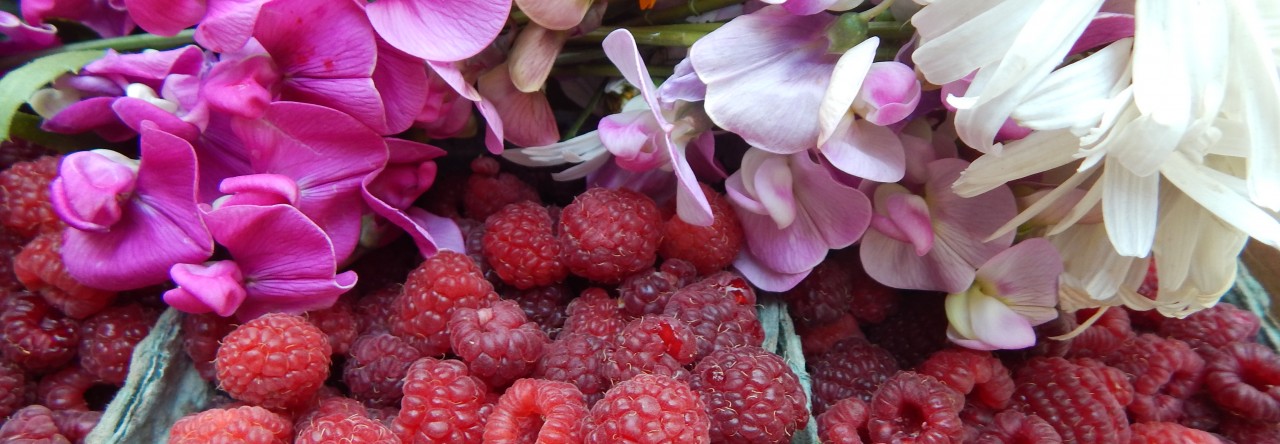
After the reusable cups had been cleaned and the winning skippers had been awarded insulated picnic baskets with durable place settings, the real results were in: resounding success. Not only is the club discussing how to implement more clean practices throughout its season, but so many people requested Twice as Tasty recipes that I’m offering bonus posts. Learn to make Vegan Green Goddess Dressing and Vegan Roasted Raspberry Vinaigrette

Corn

If fresh corn on the cob captures the flavor of summer, grilled corn makes that flavor explode in your mouth. Corn steams beautifully within its own husks and develops a taste and smell that can’t be matched by boiled or steamed ears. It also means you don’t need to heat a giant kettle of water on a hot summer evening and could even skip the kitchen altogether by grilling your entire meal.

I first started grilling corn when I was gifted Williams-Sonoma’s fabulous and comprehensive Complete Grilling Book, now out of print but still possible to track down. We used to just gobble up the grilled corn fresh, but then I realized it would freeze just as well and I could enjoy that grilled flavor all winter. As a bonus, the cobs can be frozen separately and turned into stock. Learn to grill and freeze corn and make Corncob Stock

Basil

I love basil. Its flavor really only pops when it’s just off the plant—and boy, does it pop. Sweet, Italian, lemon, lime, Thai, purple—there are so many options, all with a slightly different taste. Unfortunately, once the garden winds down, that fresh taste is difficult to find, particularly if your house, like mine, lacks a sunny windowsill. Dried basil is a kitchen staple off-season, but it lacks the full summer flavor.

That’s where pesto comes in. Its texture and flavor don’t match the basil leaf you pinch off the stem and slip into your mouth while you harvest, but it will remind you of that leaf when you drop a cube into a dish midwinter. I prefer to save my basil as a pesto base—minus the pine nuts and Parmesan—so that it’s versatile. The same technique lets you make pesto with other ingredients, such as pea shoots and garlic scapes. Learn to make Basil Pesto Base and Spring Pesto with Pea Shoots

Salad Dressing Bases

The salad dressing aisle at a grocery store baffles me: so long, so heavily preserved, so expensive—and so easy to make at home. Every dressing starts with oil and an acid, like vinegar, or something to make it creamy. From there, spices and other flavorings are added to make the desired blend. Even the most dedicated bachelor likely has the basic ingredients in his kitchen.

Imagine this: You’re invited over for a first dinner date, and the guy pulls out a squeeze jug of store-brand ranch. Impressed? Perhaps he splurged for a bottle with a fancy label. It’s probably still not memorable. Now imagine he combines oil, vinegar, and a few spices in a bottle, shakes it, and sprinkles the result over greens. Suddenly, you’re paying attention. In less than 5 minutes, he has a lip-smacking salad dressing—and you might be considering a second date before you even taste the main dish. Learn to make Vinegary and Creamy Salad Dressing Bases

Cherry Tomatoes

In the shortest days of winter, I crave the freshest produce. Forget sweets or chips—I yearn for cherry tomatoes, raspberries, and other garden goodies. I suppose the desire for sun-kissed fruit and veg as the snow falls is the main reason this blog exists: Every summer, I play with new and better ways to preserve homegrown produce that we can eat year-round. This blog is all about sharing those ideas with you.

I use “cherry” to describe many tiny tomatoes: Sweet 100s, Sun Golds, Black Cherry, my favorite Yellow Pear. We go big, growing a mix of cultivars to eat like candy off the vine and turn into a pasta sauce easily recreated from frozen toms in the coldest months. These bite-sized bursts of flavor are so simple to save for winter, you’ll wonder why you’ve never done so. Learn to freeze cherry tomatoes and make Pasta That Pops

Herbs

Herbs are a great place to start when it comes to dehydrating—and gardening. Perennial herbs need little care once established and come back reliably in their beds year after year. Some annual and biennial herbs are self-seeding, making them seem perennial when they sprout unaided each spring. Those that need to be resown annually are often happy in pots or even on a sunny windowsill in even the smallest space tended by the newest gardener.

Most herbs get a production boost from regular cutting. Such plants quickly send out new shoots, becoming bushier and healthier the more that they are used. Hang some of those cuttings or throw them on a dehydrator tray, and you’ll never buy another jar of dried leaves. You can store them separately or combine them into a grab-and-go mix. Learn to dry herbs and make Italian Seasoning Blend