Pumpkin Pasta

Pasta–pumpkin combinations are overlooked but fabulous weeknight or special meals. Get pumpkin pasta recipes at TwiceasTasty.com.
When I told George I was planning to share pumpkin pasta recipes this week, his reaction was, “Nice, I always forget about pairing pasta and pumpkin.” It’s a combination even I tend to overlook. Growing up, pumpkin was reserved for jack-o’-lanterns and pie, and other winter squash was served “on the half shell,” drowning in butter and brown sugar. But these winter staples store so well you should have a collection to use in many sweet and savory dishes all winter: cookies, quick bread, soup, risotto—and pasta.

I offer two variations on pumpkin pasta here, one suited to a weeknight meal and a fancier plate that takes a bit more time to put together. I encourage you to look more at the techniques and think outside the ingredients listed in the recipes. Any firm-fleshed winter squash can be used in either recipe, and aromatics, alliums, herbs, cheeses, and pasta shapes can all be changed to suit your tastes. Whatever you use, orange winter squash creates a delicious pasta meal.
Learn to make Pasta with Roasted Pumpkin and Parmesan and Pumpkin–Goat Cheese Ravioli with Butter–Nut Sauce

One Prep, Two Meals: Potatoes

Potato bowls travel well and fit my one prep, two meals plan. Get potato recipes at TwiceasTasty.com.
A surprise project has me taking a break from preserving recipes this week: Waggoner Cruising Guide decided to publish a Twice as Tasty recipe. It’s online now and will appear in the annual guide and a cooking ebook next year. I’m so excited to share Twice as Tasty food with cruisers that this week’s post includes a paired recipe that I often make when we’re on the water.

The Waggoner Guide is considered the bible for Pacific Northwest cruising. It’s flagship tome, updated annually, has been guiding marine travelers for 25 years. You’d be hard-pressed to find a boater from the Puget Sound to Alaska who doesn’t have a copy.

For Waggoner, I chose a recipe that I make almost every time we spend a few days aboard a sailboat: potato bowls. This variation on stuffed baked potatoes doesn’t need an oven. They also fit my one prep, two meals plan, with extra potatoes rolling into a next-day salad with minimal effort. And some prep tricks make both dishes ideal for outdoor adventures.
Learn to make Potato Bowl with Black Bean Sauté and Quick Potato Salad

Tomatoes

Grilling and preserving pair perfectly, and their advantages stretch far beyond flavor. Get grilled tomato recipes at TwiceasTasty.com.
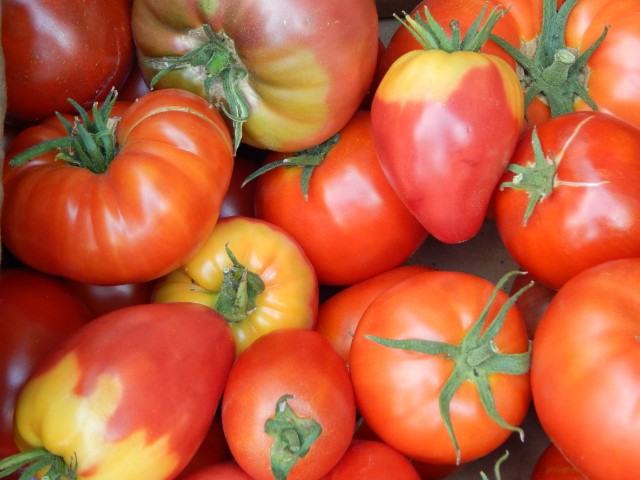
You’ve probably noticed that I love grilled vegetables. I also love home-canned goods, and the techniques of grilling and preserving pair together perfectly. The advantages of grilling for canning stretch far beyond flavor, particularly for tomatoes.

Grilling combined with freezing makes it easy to start processing vegetables as they ripen throughout the growing season, making preserving seem more like a habit than a chore. During tomato season, we pull the ripest fruit from the vine every few days. That evening, we fire up the grill and cook off a rack or two of tomatoes; the hot halves go straight into a colander set over a large bowl to drain off the juice—usually while we’re enjoying a grilled dinner. Once they’re cool, I pour the separated solids and juice into separate containers, weighing and labeling each before adding them to the freezer.

When the freezer’s full, I have two products ready for processing: solids and juice. Because the juice was drained off, any sauce or salsa doesn’t have to cook for hours to thicken. Because the solids have already been pulled out of the juice, I can quickly apply it to any recipe, from beverage to soup. In just a couple of hours, I can have several canner batches processed for long-term storage. The freezer is ready for the next round of preserving, and the canning shelves are full of delicious fire-roasted flavors.
Learn to make Grilled Tomato Pasta Sauce and Tomato Juice Soup

Pears

Lower-sugar, fruit-forward spreads easily last a couple of weeks in the fridge once open. Get pear recipes at TwiceasTasty.com.
Over the years, I’ve experimented with many ways to preserve pears. They don’t keep as well in dry storage as apples, and I rarely used them when frozen, so they don’t yet have a home on my quick-save list. Dehydrating works well if you want them for backpacking or snacks. My mom always canned them in syrup when I was growing up, and when I have a bumper crop I’ll put up a few jars in brandy syrup or lightly sweetened pickle brine.

Mostly I save pears as preserves. The first time I made marmalade with ginger and pears, I followed a Ball recipe that used 1 part sugar to 2 parts fruit and found it to be overly sweet. I’ve since discovered that because the natural acidity of pears makes them safely shelf stable, the sugar primarily keeps the jam from molding once it’s open and sitting in the fridge. By melding Ball’s recipe with other lower-sugar versions, I came up with a fruit-forward marmalade that easily lasts a couple of weeks in the fridge once open, as well as a jam that pairs pears with tart cranberries.
Learn to make Pear–Ginger Marmalade and Pear–Cranberry Jam

Traveling Snacks

Crunchy cravings when you’re not really hungry can be satisfied with simple home-baked snacks that are healthy and delicious. Get homemade snack recipes at TwiceasTasty.com.
Do you ever get the craving to just crunch on something even when you’re not hungry? Or find yourself reaching for a bag of potato or tortilla chips when you’d rather munch on a healthier snack? These cravings are what drew me to seaweed snacks, particularly when I’m on a full-day road trip and just eating because I’m bored of being behind the wheel.

Although I quickly developed a love for packets of toasted, flavored, seaweed chips, I just as quickly found I hated the excessive layers of packaging used to keep them whole during transport and on store shelves. They require few ingredients and no special equipment, so I soon began making my own. Then I decided to take it a step further: Could I satisfy my crunchy craving with something from the garden instead of seaweed, which I have to buy? Kale and chard chips became easy homegrown substitutes. Now I tend to make some of each, particularly when I’m prepping for a road trip or sailing adventure, to keep a mixed bag of flavors within reach.
Learn to make Homemade Seaweed Snacks and Roasted Kale Chips

Fall Muffins

Doubling down on flavors gives savory and sweet muffins a Twice as Tasty spin. Get muffin recipes at TwiceasTasty.com.
Baking can be less appealing in summer’s heat, but once fall sets in, firing up the oven can take the chill out of the kitchen in the morning or add a cozy element at dinnertime. Just like last week’s filling salad recipes, you can make the most of the season by baking with the flavors of fall. And by baking muffins and other quick breads, you can use your time in the kitchen to your advantage: by the time you’ve prepped your main meal, your freshly baked goodies are ready to eat.

This week’s recipes get a Twice as Tasty spin by doubling down on their flavors: fresh corn and cornmeal or fresh apples and homemade applesauce. The results explode with flavor, and the texture makes it clear you’re eating fresh ingredients. They’re also a sneaky way to use up the whey left after draining homemade yogurt. And if you’re not yet making your own yogurt and generating whey, these muffins are a perfect excuse to learn.
Learn to make Corn Kernel–Sage Muffins and Double Apple Muffins

Filling Salads

Salads are so versatile: chop up some ingredients, toss them with dressing, and your fresh, one-dish meal is ready to eat. Get salad recipes at TwiceasTasty.com.
Salads dominate my harvest menu. They’re so versatile: chop up some ingredients, toss them with a bit of dressing, and your fresh, one-dish meal is ready to eat. I start making homegrown salads as soon as spring greens show true leaves and don’t stop until the ground freezes.

Most salads fit the “no recipe required” category. Once you find your preferred ratios, even the dressing can be made on the spot with whatever’s at hand. If you follow @twiceastastyblog on Instagram you’ll find plenty of my daily salads. But I still get enough requests for ingredients and proportions that you’ll find a couple dozen salad and dressing recipes on the blog and can even gather your friends for a workshop. Some of these recipes are traditional, like panzanella, sunomono, and the two American classics in this week’s post. But as you’ll learn, all of these salads can be adapted based on what’s in season and what you have on hand.
Learn to make Three-Bean Salad and Taco Salad

Classic Zucchini

My mom tried every way she could think of to feed us zucchini. I still rely on her classic and newer recipes. Get zucchini recipes at TwiceasTasty.com.
As I was growing up, my mom tried every way she could think of to feed us zucchini. My dad always planted several hills, plus a couple extra in case one failed, and Mom found endless ways to sneak it into dishes once the crop started coming in. Chocolate zucchini cake was her favorite way to disguise the squash: the texture gave it away, but that didn’t stop us from reaching for a slice. She also processed it as pickles, relish, and even salsa.

My favorite way to save zucchini today is grated and frozen for pancakes and quick bread. But if you’re short on freezer space, pickled zucchini becomes far more attractive. The year before I was born, my great-aunt Verle gave my mom a classic zucchini relish recipe that Mom made for decades. She claims we liked it even better than Cucumber Relish. Zuke relish doesn’t stand out in my memories, but I loved relish as a kid, so I must have been eating a lot of these jars. It’s stood the test of time; my great-aunt’s original recipe required only minor tweaks to match today’s safe-canning standards.
Learn to make Zucchini Relish and Bread-and-Butter Zucchini Refrigerator Pickles

Classic Pickles

I’ve learned many tricks for keeping classic cucumber pickles crisp—and to set aside extra cukes for relish. Get pickling recipes at TwiceasTasty.com.
Dill pickles fit the “classic” category on so many levels. They have a long history among home canners, and in my home in particular. While my mom boiled vinegar brine and tended the canning kettle, my sister and I were given the job of packing whole cucumbers into quart jars because we had small hands. Weeks later, I’d start pulling jars from the packed shelves to munch on the crisp, sour vegetables.

Since I first learned to can pickles, I’ve found many tricks for keeping cucumbers crisp throughout the heated processing that lets you store them on shelves at room temperature. My mom always added grape leaves from our homegrown vines, harnessing their tannins to help keep the cukes crisp; I found horseradish leaves have the same effect. I’ve also started pasteurizing the jars instead of dropping them into a boiling water bath. Pasteurizing takes a little more time at my altitude, but the lower temperature still gives a crunchier pickle. Set aside any cucumbers that are blemished or won’t squeeze into the jars for relish.
Learn to make Processed Cucumber Dill Pickles and Cucumber Relish

Classic Jams

I’ve turned from my mom’s classic recipes to more fruit-forward jams. Get homemade jam recipes at TwiceasTasty.com.
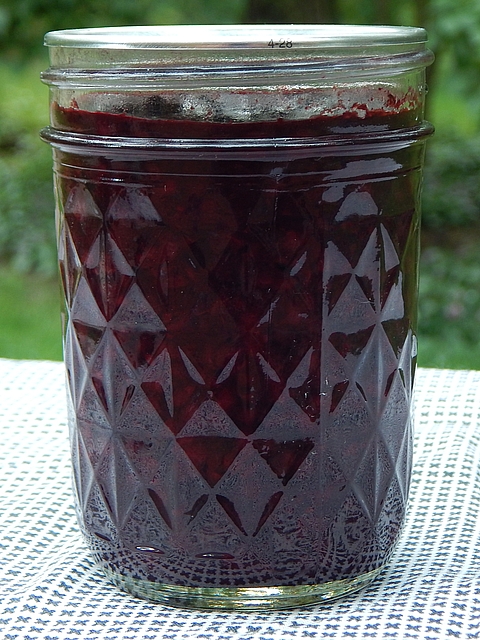
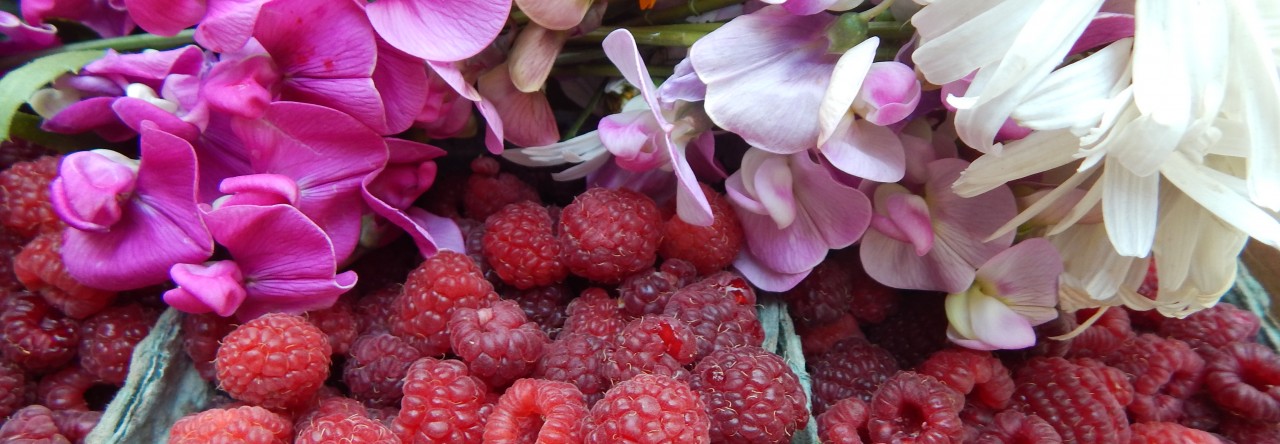
As a kid, jam making dominated the summer berry and fruit season. My dad grew much of the fruit: rows of strawberries ripened not long after school let out, and raspberries, boysenberries, and loganberries, which my dad started with cuttings from my grandfather’s vines, came on midsummer. Raspberries were always my favorite: I learned from my mom to fill small canning jars with fresh berries using a classic recipe straight out of the Ball Blue Book, with fruit, lemon juice, powdered pectin, and lots of sugar.

That last bit is the reason I’ve turned from my childhood recipes to updated versions using Pomona’s Universal Pectin whenever I want to can any jam with added pectin. It jells with little or no sweetener and is vegan (it’s extracted from citrus peel and activated by calcium). You can get about four batches instead of the usual one from each box of pectin, and although you risk a softer set, I’ve successfully cooked multiple batches at once. The first jam I ever made with it, more than 10 years ago and using a blend of berries, is still one of my favorites. I soon followed it with a version using my favorite sour cherries.
Learn to make Tart Berry Jam and Sour Cherry Jam