Mushrooms

When it comes to feeding a crowd, two things generally happen: expensive premade dishes pack the table, and those with special diets are left with precut fruit, naked greens, and a bare baked potato. This year’s Montana Cup meals proved it doesn’t have to be that way.

Dinner’s salads got the Twice as Tasty treatment, but North Flathead Yacht Club also had vegans and vegetarians fully covered with marinated and grilled Portobello mushrooms. NFYC also brought in gorgeous Yukon River Coho salmon fillets from Flathead Fish & Seafood Co. and top sirloin steaks provided by regional grocery chain Super 1 Foods. I decided to whip up some sauces that could accompany any option or the sides of salad and baked potato, relying on our local Kalispell Kreamery and my own canning shelves. Learn to make Marinated and Grilled Portobello Mushrooms with Yogurt-Dill Sauce and Romesco Sauce

Salad Dressings: Vegan

Last weekend, Twice as Tasty recipes had the honor of being featured at the 2016 Montana Cup, a regatta hosted by the North Flathead Yacht Club in Somers, Montana. As usual, the club provided two breakfasts and one dinner for more than 150 hungry sailors, but this year there were a few twists. With the help of Sailors for the Sea, NYFC hosted its first Clean Regatta, working to use less, recycle more, and source locally throughout the event.

After the reusable cups had been cleaned and the winning skippers had been awarded insulated picnic baskets with durable place settings, the real results were in: resounding success. Not only is the club discussing how to implement more clean practices throughout its season, but so many people requested Twice as Tasty recipes that I’m offering bonus posts. Learn to make Vegan Green Goddess Dressing and Vegan Roasted Raspberry Vinaigrette

Corn

If fresh corn on the cob captures the flavor of summer, grilled corn makes that flavor explode in your mouth. Corn steams beautifully within its own husks and develops a taste and smell that can’t be matched by boiled or steamed ears. It also means you don’t need to heat a giant kettle of water on a hot summer evening and could even skip the kitchen altogether by grilling your entire meal.

I first started grilling corn when I was gifted Williams-Sonoma’s fabulous and comprehensive Complete Grilling Book, now out of print but still possible to track down. We used to just gobble up the grilled corn fresh, but then I realized it would freeze just as well and I could enjoy that grilled flavor all winter. As a bonus, the cobs can be frozen separately and turned into stock. Learn to grill and freeze corn and make Corncob Stock

Cucumbers

As a kid, I helped my mom processed dill pickles in vinegar brine and what my family called “sweet pickles,” which tasted nothing like the ones on a restaurant burger. It was years before I learned that what I considered sweet pickles were typically sold as “bread-and-butter” pickles. They fall somewhere between the tangy dills and the sugary sweets. And I could eat them by the jar.

When I started canning on my own, pickles were in my first jars. They’re easy to pack and process, the vinegar ensures food safety, and the options for spices in the standard brine are endless. My mom followed the version in the old Ball Blue Book, but Ball has since updated its recipe and other authors have inspired me to make a few tweaks to the flavorings—and to use the brine once the jar is empty. Learn to make Better Bread-and-Butter Pickles and Braised Breakfast Potatoes

Tart Cherries: Savory

Happy Can-It-Forward Day! As a new food blogger, I feel honored to be invited by the Ball brand to make a recipe from The All New Ball Book of Canning and Preserving. One pass through the book, and I had decided what to create for the sixth annual Can-It-Forward Day. Yes, recipes such as Low-Sugar Strawberry–Tequila Agave Jam and Apricot–Lavender Jam caught my eye, but how could I pass up the chance to combine tart cherries, chipotles, cilantro, and tequila—especially when I was midway through the cherry harvest?

We harvested and processed a double batch of this cherry salsa last weekend, and we’ve been sharing it with people all week for feedback. Love for it has been unanimous. The recipe produced a lovely fruit salsa, with plenty of cilantro flavor and a great tart bite. It’s been particularly popular as the accompaniment for our favorite fish tacos. Learn to make Smoky Sour Cherry–Tequila Salsa and Grilled Fish Tacos

Raspberries

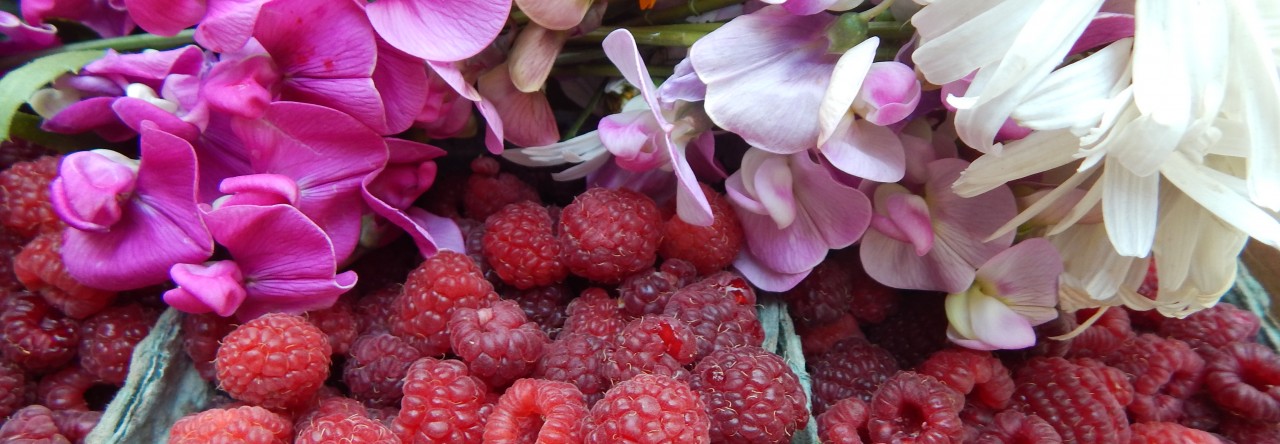
Raspberries are probably my favorite fruit; as a kid, I used to walk barefoot in PJs to the berry patch and pick them straight onto my bowl of Cheerios. Strawberries may be a close second. After everyone from my 4-year-old nephew to newlywed friends told me how they gobbled up Chamomile-Scented Strawberry Syrup, which I made using Liana Krissoff’s Canning for a New Generation, I was prepared to put up an even larger batch the next year—only to have the strawberry patch fall short. But raspberries came in with a bumper crop, so I decided to attempt an adaptation. Then while I was prowling online, I found Carey Nershi’s fabulous cocktails at Reclaiming Provincial and knew I needed to start in the oven. The idea of roasting delicate raspberries may seem odd, but that step adds another level of flavor that’s irresistible in syrup, jam, or salad dressing. Learn to make Roasted Raspberry Syrup and Apricot–Raspberry–Mint Jam

Tart Cherries: Sweet

My area is known for its sweet Flathead (Lambert) cherries, but I grew up with a pie cherry tree that I would climb into to pick its tart, bright red fruit—and often eat right within the branches. So let that warn you as to how tart I like my cherries.

If you’ve read the Canning Tools page, you may have noticed a slow cooker on the optional list. Fruit butters are entirely the reason. Fruit butters use both pulp and juice (unlike jelly) but let a long cooking time evaporate excess moisture and build dense texture and flavor (unlike jam). I use a slow cooker to make all fruit butters, which lengthens the cooking time but makes the process nearly hands off and burnproof. Add some spices to the reduction, and the cherries pop. If you have more cherries than your slow cooker can hold, set them aside for scones. Learn to make Tart Cherry Butter with Chai Spices and Sour Cream Scones with Tart Cherries

Zucchini

Zucchini and yellow summer squash—if you don’t grow it, you’re bound to know someone who does. It’s as versatile as it is prolific: grilled, baked, pickled, fried, sautéed—the list goes on.

But besides pickling it, how do you save it? Grate and freeze is my choice: you won’t want to feature it on a plate, but it can be used in a range of recipes year-round. Grating is particularly ideal for zukes that seem to go from inches to feet long overnight. The recipes here use fresh ingredients for a light in-season meal featuring zucchini pancakes and cucumber-and-tomato salad. You can as easily adapt it for winter using frozen produce and different preserved accompaniments. Learn to make Zucchini Pancakes and Fresh Asian Salad

Basil

I love basil. Its flavor really only pops when it’s just off the plant—and boy, does it pop. Sweet, Italian, lemon, lime, Thai, purple—there are so many options, all with a slightly different taste. Unfortunately, once the garden winds down, that fresh taste is difficult to find, particularly if your house, like mine, lacks a sunny windowsill. Dried basil is a kitchen staple off-season, but it lacks the full summer flavor.

That’s where pesto comes in. Its texture and flavor don’t match the basil leaf you pinch off the stem and slip into your mouth while you harvest, but it will remind you of that leaf when you drop a cube into a dish midwinter. I prefer to save my basil as a pesto base—minus the pine nuts and Parmesan—so that it’s versatile. The same technique lets you make pesto with other ingredients, such as pea shoots and garlic scapes. Learn to make Basil Pesto Base and Spring Pesto with Pea Shoots

Rhubarb

I grew up in a rhubarb family: large patches growing in my dad’s and grandpa’s gardens, rhubarb pie at Thanksgiving (never diluted with strawberries), and a stash of rhubarb sauce in my mom’s fridge that I put on everything from ice cream to Cheerios. Among the first things I planted when I moved to Montana were rhubarb eyes taken from my dad’s plants; they’ve since spread out into a garden patch that produces all summer long and never bolts—one of the few perks of gardening in the shady woods.

After a winter of playing with various combinations of produce-influenced cocktails that put a splash of summer into the grayest day, I instantly saw “beverage” when I cut my first stalks of rhubarb in spring. The straight rhubarb needed another flavor to balance the bright pink syrup, and I knew from making sorbet that rosemary would add just the right touch in a summer cocktail. Learn to make Rhubarb–Rosemary Syrup and Rhubarb–Orange–Ginger Marmalade