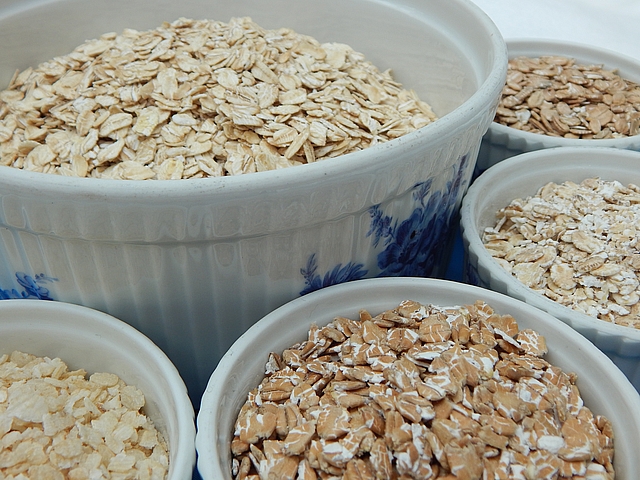
Adapting Breakfasts

Working from home, my first meal of the day is healthy, varied, and enjoyable. Get breakfast recipes at TwiceasTasty.com.
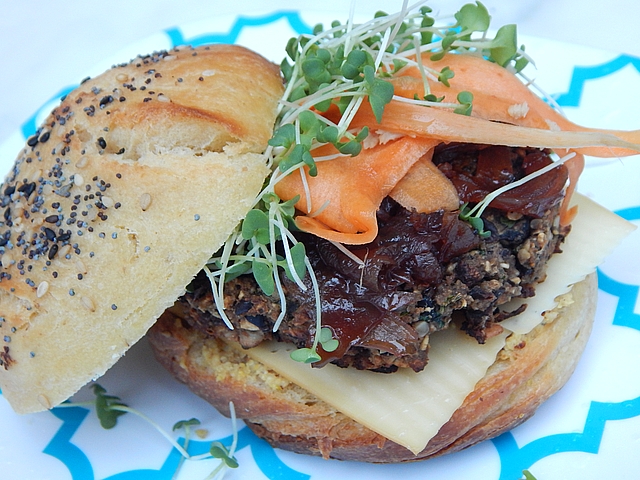
If you’ve been staying home these last few weeks, one of the biggest changes to the way you eat may be at breakfast. If you have a job outside the home, or kids to get to school, or a daily routine that start with a gym or other leave-the-house activity, you likely rush out the door with little thought for breakfast—or perhaps no food in your belly. Cooked breakfasts, and particularly family breakfasts, might be reserved for weekends or even holidays. If you want to turn staying at home to your advantage, using it to break old habits and improve routines, I can’t think of a better place to start than the first meal of the day.

That doesn’t mean you need to wake up in the morning ready to spend hours slaving in the kitchen while your family eyes you hungrily. If “slaving” is the word that comes to mind over preparing any meal, then something is out of sync. And just because you’re at home doesn’t mean you have any more time to cook breakfast than you would normally. But it does mean you have access to a fuller kitchen than is found in your car or corporate office, and you have at least some ability to stock it with a wider variety foods than will fit in your day bag or desk drawer.

As someone who has worked from home for years, I’ve found plenty of ways to make my first meal of the day healthy, varied, and enjoyable. Here are some of my go-to breakfasts at home.
Learn to make pantry breakfasts and Improv Smoothies
Staying Home

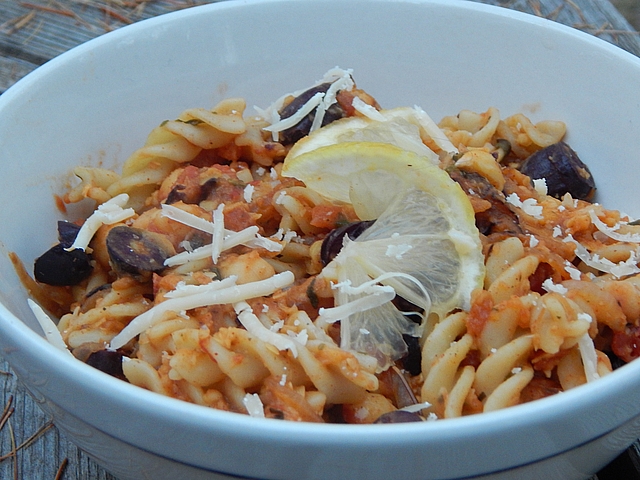
Be happily occupied in the kitchen and well fed at every meal. Read more about eating well while staying home. Learn more at TwiceasTasty.com.
So much has changed in the last few weeks. As our personal worlds narrow to our homes and backyards, many of us are changing what and how we eat. Most of us are spending more time in our kitchens, cooking more often and trying new recipes. I had no trouble scratching my original plans for this month’s blog posts to focus on eating well while staying home. But with such wide variation in what’s available in stores, in backyard gardens and from local farmers, and in pantries, it’s hard to know what I should emphasize. So I’m spreading my net wide, hoping that you’ll each find something on Twice as Tasty that makes your life a little easier and more enjoyable.

Like you, I have been focusing on staying home and have been spending plenty of time in the kitchen. On the downside, we canceled our sailing adventure planned for this month. On the upside, I’m busy writing my first cookbook! Focused on pickles, it’s scheduled for release before the end of the year. Read on to discover how you might win a copy, as well as to learn more about eating well while staying home.
Read more about eating well while staying home

Quick Stock and Soup

During your soup prep, you can make a quick stock just for your evening meal—or to share with housebound family and neighbors. Get stock and soup recipes at TwiceasTasty.com.
I always have containers of various soup stocks in my chest freezer, just waiting for me to pull out and add to risotto, sauces, bean dishes, and chowders. But even my 5.5-cubic-foot chest freezer may be a luxury in your home. That doesn’t mean you need to miss out on the benefits of homemade stock.

By tacking just a little extra time onto your soup prep, you can make a quick stock just for your evening meal—no storage required. Quick stocks have many bonuses. They suck extra flavor and nutrients out of your soup scraps. That flavor changes every time you make a quick stock, aligning with the ingredients of your soup. Your soup will taste far better than if you just poured in water and far less salty than if you used store-bought bouillon or broth. All those benefits come at the cost of a few minutes spent on prep and a few cents spent on basic ingredients.
Learn to make Quick Top-to-Root Stock and Top-to-Root Minestrone

Stocks and Scraps

Top-to-root eating seems more important than ever as we think about preparing better for the next crisis. Get stock recipes at TwiceasTasty.com.
As I mentioned in last week’s blog post and at my earlier workshop at Free the Seeds, top-to-root eating focuses on savoring it all by putting tops, roots, shoots, peels, and other scraps to use. This idea seems more important than ever as we think about how we stock our pantry, plan our growing season, and in general prepare better for the next crisis.

If you haven’t explored the Recipe Index, cruise through it now; you’ll likely find plenty of new ways to use the ingredients you do have on hand. Here, I’ll highlight some ways to put what’s left after you’ve made those recipes—the scraps—to use.
Learn to make Vegetable Scrap Stock

Top to Root: Savoring It All

In a workshop at Free the Seeds, I shared ways to eat from top to root. Learn more at TwiceasTasty.com.
What do Bloody Mary mix, carrot-top salsa, yogurt whey muffins, and roasted raspberry jam have in common? All these delicious recipes rely on ingredients that typically head straight for the compost or sink drain. In the Twice as Tasty workshop at last weekend’s Free the Seeds fair, I shared ways to eat from top to root. Here I share my notes from the workshop, which include ways to give trimmings a second life, ban “discard” from your kitchen, and ultimately look at what heads for your plate versus your compost bin in a new way.
Read more about eating from top to root

Free the Seeds

Top-to-root eating is at the heart of Twice as Tasty. Learn more at TwiceasTasty.com.
Are you ready for Free the Seeds? It’s on its way! The 5th annual fair is happening Saturday in Kalispell, Montana. You can find the details here.

As one of the members of the organizing committee for this free event, I’ve been busy talking about it all over town and on the air. I’ll be presenting just one of the two dozen workshops at the fair, so if you’re local, I hope you’ll join me. But if it’s too far to travel, don’t worry: all this month, I’ll be expanding on my Free the Seeds workshop right here on the Twice as Tasty blog.
Read more about Free the Seeds!

Buckwheat

I’ve found many reasons to love buckwheat: it’s gluten free, packed with protein, and easy to prepare. Get buckwheat recipes at TwiceasTasty.com.
My first memorable encounters with buckwheat groats were in Russia. In the United States, roasted buckwheat groats are typically sold as “kasha,” but in Russia, all the каша I ate as a hot breakfast cereal was a mix of grains. My Russian friends tended to cook buckwheat on its own—traditionally in an oven until it softened to a porridge—and serve it as a savory meal more than a sweet one.

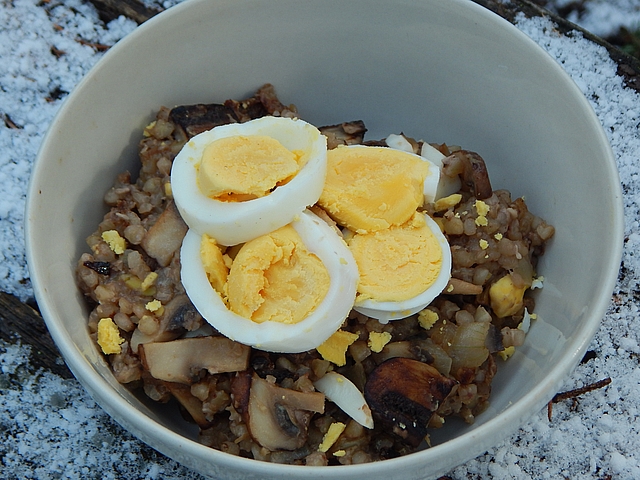
I’ve since found many reasons to love buckwheat. Despite its name in English, it’s not a type of wheat: it’s actually a gluten-free seed in the same plant family as rhubarb. So if wheat isn’t on your diet, buckwheat is your friend. Unlike some gluten-free grains, it’s packed with protein and amino acids. Soaking it removes some of its phytic acid, which can make it easier to digest. A presoak also speeds up the cooking process—instead of a slow bake in a low-temp oven, you can have it ready from the stovetop in 5 minutes for a modern take on каша сименуха, a traditional Russian breakfast, or for an easy dinner with roasted vegetables.
Learn to make Buckwheat Porridge with Mushrooms and Eggs and Roasted Vegetables with Tofu and Buckwheat

Beans and Cornbread

Homemade vegetarian baked beans can have the perfect balance of sweet and tang. Get bean recipes at TwiceasTasty.com.
Baked beans can be a vegetarian’s guilty pleasure. Cans on the store shelf often make up for the lack of bacon by upping the sweetness factor, taking the beans out of the “healthy food” realm and putting them in the same category as store-bought granola and sweet potato fries. It’s unfortunate, because when cooked properly, vegetarian baked beans can have the perfect balance of sweet and tang.

I’ve always found canned vegetarian baked beans to be cloyingly sweet. Then I got hooked on beans in tomato sauce when I lived in London. These navy beans stewed in tomato sauce and popped into a can aren’t exactly gourmet, but the first flavor on my tongue wasn’t corn syrup. The Brits are great fans of them as beans on toast. As filling as this meal was on a backpacker budget, a stand in Covent Garden went one better: for a few quid, I could get a giant, piping hot jacket potato smothered in these beans. Since then, I’ve upscaled the beans, but I still love to serve them in baked potatoes.
Learn to make Vegetarian Baked Beans and Baked Polenta

Squash and Rice

Squash and pumpkins keep far longer than you think and can be eaten from sunup to sundown. Get winter squash recipes at TwiceasTasty.com.
Our winter squash and pumpkin crop yielded little last year, and as I packed away other storage veg, I thought I would have to do without a cold-weather stash. But as daylight waned, friends and family kept sending me home with squash, most fearing it would spoil before they could use it or lacking inspiration for how to prepare it.

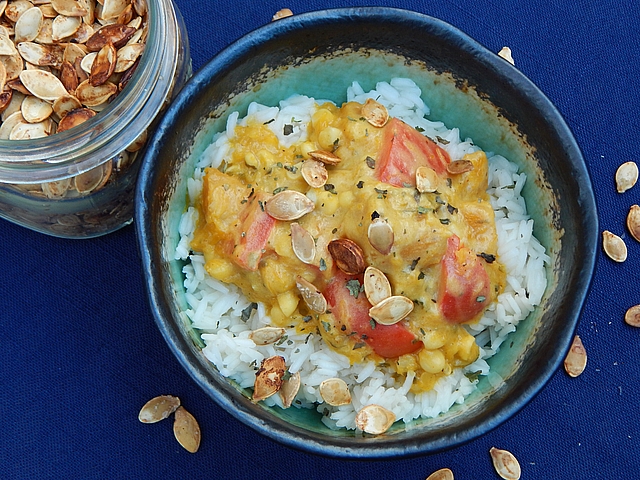
If you’re in that camp, this week’s post should both quell fears and inspire delicious meals. Winter squash and pumpkins keep far longer than people think, particularly if they’re properly cured and stored. And they can go in a range of meals, from breakfast to lunch to dinner to dessert. As a bonus, they’re easy to prep and cook ahead for multiple quick, unexpected meals, like risotto and curry.
Learn to make Thai Squash Curry and Squash–Mushroom Risotto

Taking Stock

Amid signs of the steady march toward spring, it’s time to take stock of your last saved harvest. Learn more at TwiceasTasty.com.
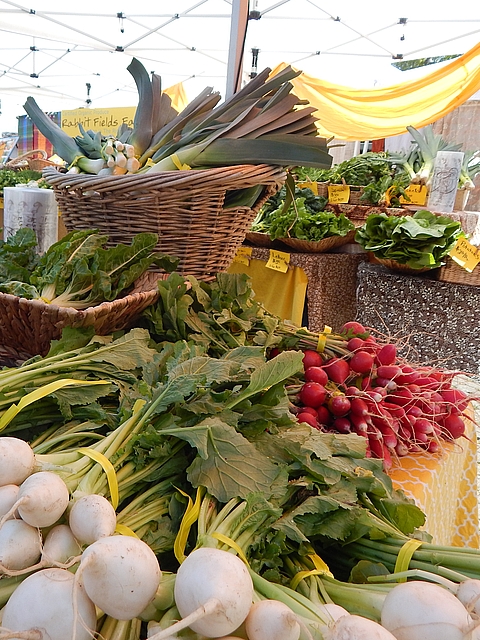
Growing food has been on my mind: I’ve been busy prepping for a sprout-growing workshop this week and organizing next month’s Free the Seeds event. You too are probably noticing the steady march toward spring as bright seed catalogs arrive regularly and storage vegetables beg to be front and center in your meals. Now’s the time to take stock of what you’ve saved from your last growing season, particularly what you’ve used and what’s left.
Read more about taking stock of stored food