Botulism and Canning Safely

When I mention this blog, it rarely takes noncanners long to reveal they are afraid of making their family sick and to ask for the secret to canning safely. Their fear is of the big, scary B word: botulism. But what strikes me is their belief that they need to be let in on a secret to avoid it.

Honestly, there is no secret to safe canning. Everything you need to know is in every decent book and on every decent website that covers the topic. Canning is a process, but it’s not a mysterious one: If you can follow directions, you can get it right. Or, in the words of Kevin West, author of the fabulously informative Saving the Season, “If you can safely prepare chicken, a potential vector for food-borne pathogens such as salmonella, then you can handle home canning.”

Unfortunately, botulism has become a boogeyman, the arch villain of a cautionary tale who peers over the rim of a boiling water bath at many home canners. It doesn’t have to be that way. Read more about botulism and canning safely

Grilling for the Future

Braised, basted, glazed, smoked, roasted, grilled—you may associate these words with large slabs of sizzling meat, but I visualize mounds of breakfast potatoes and eggs, cherry-filled scones, beets, garlic, and practically any other fruit or vegetable you can imagine. I also use these techniques when preserving food; they are the essence of making that bag of frozen corn or jar of raspberry syrup Twice as Tasty.

Grilling is one of the best techniques in my preserving repertoire. It’s easy, it’s low tech, and it takes you outdoors on a sweltering summer day or even a snow-bound midwinter one. Although grilling means extra effort initially, it can save minutes to hours on canning day or when throwing together a busy work night dinner—in other words, it saves time when it matters most. Read more about grilling vegetables and fruits

Cucumbers

As a kid, I helped my mom processed dill pickles in vinegar brine and what my family called “sweet pickles,” which tasted nothing like the ones on a restaurant burger. It was years before I learned that what I considered sweet pickles were typically sold as “bread-and-butter” pickles. They fall somewhere between the tangy dills and the sugary sweets. And I could eat them by the jar.

When I started canning on my own, pickles were in my first jars. They’re easy to pack and process, the vinegar ensures food safety, and the options for spices in the standard brine are endless. My mom followed the version in the old Ball Blue Book, but Ball has since updated its recipe and other authors have inspired me to make a few tweaks to the flavorings—and to use the brine once the jar is empty. Learn to make Better Bread-and-Butter Pickles and Braised Breakfast Potatoes

Tart Cherries: Savory

Happy Can-It-Forward Day! As a new food blogger, I feel honored to be invited by the Ball brand to make a recipe from The All New Ball Book of Canning and Preserving. One pass through the book, and I had decided what to create for the sixth annual Can-It-Forward Day. Yes, recipes such as Low-Sugar Strawberry–Tequila Agave Jam and Apricot–Lavender Jam caught my eye, but how could I pass up the chance to combine tart cherries, chipotles, cilantro, and tequila—especially when I was midway through the cherry harvest?

We harvested and processed a double batch of this cherry salsa last weekend, and we’ve been sharing it with people all week for feedback. Love for it has been unanimous. The recipe produced a lovely fruit salsa, with plenty of cilantro flavor and a great tart bite. It’s been particularly popular as the accompaniment for our favorite fish tacos. Learn to make Smoky Sour Cherry–Tequila Salsa and Grilled Fish Tacos

Raspberries

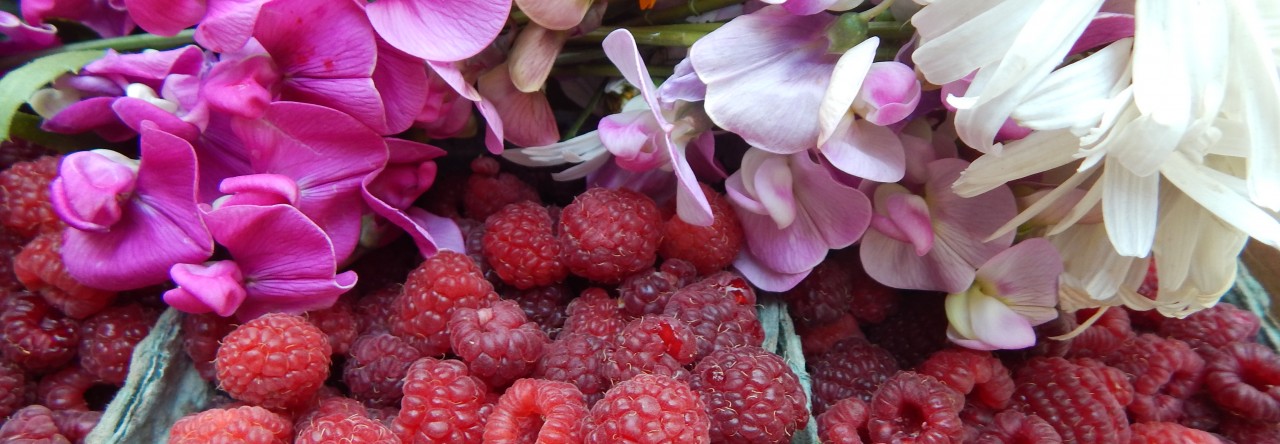
Raspberries are probably my favorite fruit; as a kid, I used to walk barefoot in PJs to the berry patch and pick them straight onto my bowl of Cheerios. Strawberries may be a close second. After everyone from my 4-year-old nephew to newlywed friends told me how they gobbled up Chamomile-Scented Strawberry Syrup, which I made using Liana Krissoff’s Canning for a New Generation, I was prepared to put up an even larger batch the next year—only to have the strawberry patch fall short. But raspberries came in with a bumper crop, so I decided to attempt an adaptation. Then while I was prowling online, I found Carey Nershi’s fabulous cocktails at Reclaiming Provincial and knew I needed to start in the oven. The idea of roasting delicate raspberries may seem odd, but that step adds another level of flavor that’s irresistible in syrup, jam, or salad dressing. Learn to make Roasted Raspberry Syrup and Apricot–Raspberry–Mint Jam

Bonus Post: Giveaway for Can-It-Forward Day

Canners, prep your gear: The Ball brand is hosting its sixth annual Can-It-Forward Day on July 22. As a bonus for Twice as Tasty readers, it is letting me give away a new book to help get you started in home canning or give you new ideas for favorite produce.

I love this event. I’m a pay-it-forward person: I would rather go through life knowing the things I do for or give to others are encouraging them to pass it on than build lists of people who owe me. Much of what I give comes from my kitchen. By canning food, I have a stash of salsas, preserves, and other goodies to give as gifts at Christmas, birthdays, or weddings; to share at potlucks, picnics, and parties; and to turn into delicious meals and snacks when people gather at my table. With this blog, I can it forward by sharing what I’ve learned so that you too can preserve, enjoy, and share. Participate in Can-It-Forward Day and in the Twice as Tasty giveaway

Tart Cherries: Sweet

My area is known for its sweet Flathead (Lambert) cherries, but I grew up with a pie cherry tree that I would climb into to pick its tart, bright red fruit—and often eat right within the branches. So let that warn you as to how tart I like my cherries.

If you’ve read the Canning Tools page, you may have noticed a slow cooker on the optional list. Fruit butters are entirely the reason. Fruit butters use both pulp and juice (unlike jelly) but let a long cooking time evaporate excess moisture and build dense texture and flavor (unlike jam). I use a slow cooker to make all fruit butters, which lengthens the cooking time but makes the process nearly hands off and burnproof. Add some spices to the reduction, and the cherries pop. If you have more cherries than your slow cooker can hold, set them aside for scones. Learn to make Tart Cherry Butter with Chai Spices and Sour Cream Scones with Tart Cherries

Canning My Way

Canning, jarring, putting up—depending on where you live, one of these terms likely comes to mind when you hear someone talk about preserving food. Once the domain of grandmothers with giant gardens and 4-Hers learning home-ec skills, recent years have seen a shift in the people processing at home. Eugenia Bone released Well-Preserved in 2009, sharing recipes developed in her New York apartment and designed to fill two to six jars at a time. Blogger Marisa McClellan launched Food in Jars, and her success and subsequent books helped popularize small-batch canning. Articles on home canning appeared in the Wall Street Journal and New York Times and on NPR, and Slate declared at-home preserving “ridiculously trendy.” Since then, the number of books, blogs, and people canning at home have only grown.

I love that a rising interest in eating well year-round has led more people to support farmer’s markets and CSAs, make meals from scratch, and save what’s in season for later use. The appeal of small-batch processing is understandable: Take your leftover fruit or veg and seal it in a couple of jars. The argument is that it’s a quick and easy way to preserve food.

The “couple of jars” part is where I disagree. By the time I prep my canning gear and the food item, heat a kettle of water, make a brine or jam, and finally process the batch, I want to pull the maximum number of jars from that kettle. Instead of going small, I recommend going big—at least big enough to maximize your yield while minimizing your effort and sometimes spreading out the work.
Read more about canning my way

Rhubarb

I grew up in a rhubarb family: large patches growing in my dad’s and grandpa’s gardens, rhubarb pie at Thanksgiving (never diluted with strawberries), and a stash of rhubarb sauce in my mom’s fridge that I put on everything from ice cream to Cheerios. Among the first things I planted when I moved to Montana were rhubarb eyes taken from my dad’s plants; they’ve since spread out into a garden patch that produces all summer long and never bolts—one of the few perks of gardening in the shady woods.

After a winter of playing with various combinations of produce-influenced cocktails that put a splash of summer into the grayest day, I instantly saw “beverage” when I cut my first stalks of rhubarb in spring. The straight rhubarb needed another flavor to balance the bright pink syrup, and I knew from making sorbet that rosemary would add just the right touch in a summer cocktail. Learn to make Rhubarb–Rosemary Syrup and Rhubarb–Orange–Ginger Marmalade

Snap Beans

If this is your first attempt at water bath canning, I highly recommend pickled snap beans. It’s hard to mess them up: simply prepare your beans like you would to eat them fresh, heat up a vinegar brine, and pop everything in a canning jar. I find them even easier than cucumber pickles, primarily because extra prep steps and even fermenting are required to get the maximum crispness of cukes. With snap beans, crispness is guaranteed as long as you start with crisp beans. They’re also forgiving of your schedule; if pressed for time, you can harvest one day, snap the next, and process the third, keeping them in the refrigerator between steps.

When most people think of pickled beans, they think “dilly,” but it’s easy to play with the flavors. One of my favorite variations was inspired by Liana Krissoff’s wasabi-pickled beans in Canning for a New Generation. I’ve altered her flavors slightly so that I can use the horseradish that grows weed-like in my garden. Learn to make Definitely Dilly Beans and Asian-Style Pickled Beans