

Mozzarella may seem like the epitome of soft cheeses, but as I’ve mentioned previously, it was the first cheese I learned to make. I have to thank the Cheese Queen, Ricki Carroll, for this: her books, kits, and company are the reason most people, including me and my young niece, started making cheese at home. Most of the recipes you’ll find today for quick mozzarella are nearly identical to her original kit instructions, including mine. But after years of making mozzarella at home, I’ve learned enough techniques and tips that I’m posting my own version, along with a recipe that will use the first harvest from your garden.
Learn to make Quick Homemade Mozzarella and Spring Pasta and Fresh Mozzarella Salad
Category: Fermenting
Paneer
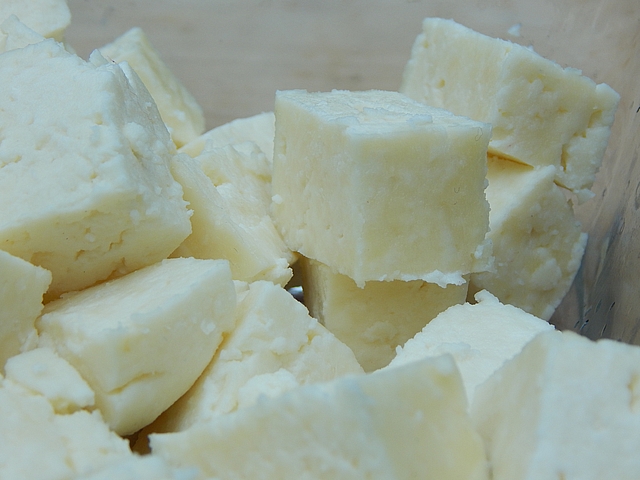
Every April, I’m focused on two things: what I’m going to grow in my garden this year, and how I’m going to eat up everything I saved from last year’s harvest. Last week’s post used up not just the whey leftover from making yogurt but also the potatoes starting to sprout in my storage bins. This week, I dug deeply into my freezer and found all sorts of vegetables for an Indian dinner: cherry tomatoes, onions, peppers, garlic, and cilantro pesto. Flavor them with my dwindling supply of home-smoked chilies and homemade curry powder, toss in some freshly made paneer, and the flavors explode.
There are several other fabulous things about this week’s recipes. If you already make Lemon Cheese, you don’t need to learn to make paneer: you just need to learn how to press your cheese. If you don’t yet make this cheese, which also goes by queso blanco, whole-milk ricotta, and farm cheese, you have another reason to learn how.
Learn to make Fresh Paneer and Paneer Tikka Masala
Yogurt Whey
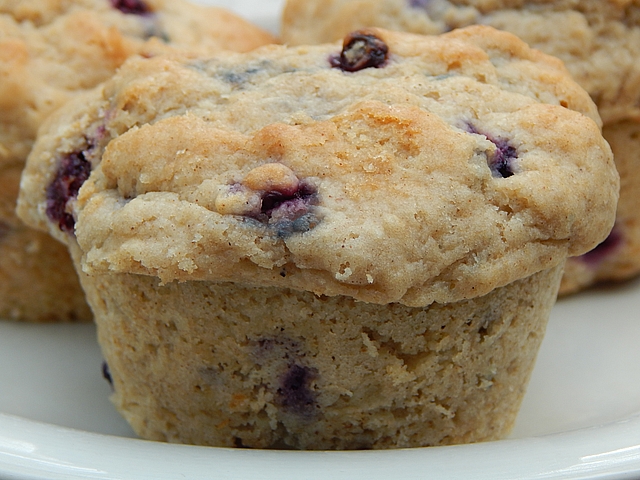
Let’s be honest: you’re going to have the most fun with this week’s recipes if you’re making your own yogurt at home. You generate a fair amount of whey every time you make yogurt. The simple step of pouring yogurt, homemade or store bought, into a strainer and letting it sit creates thick, creamy Greek-style yogurt by separating out the watery whey. As you read last week’s post, you waste that whey by pouring it down the drain. Instead, use the whey left after draining yogurt as a replacement for buttermilk or even regular milk, like I do in this week’s recipes.
If you’re not yet making yogurt at home, you can still get in on the fun. My recipe for Fresh Yogurt and my tips for making better yogurt will set you on the right path. For a hands-on experience, bring me into your kitchen for a workshop. Once you discover how easy and affordable it is to make good yogurt at home, you’ll be all set to stir your leftover whey into amazing mashed potatoes or bake it into flavorful muffins.
Learn to make Yogurt Whey–Berry Muffins and Mashed Potatoes with Yogurt Whey
Weighing in on Whey

When you regularly make cheese and other dairy products at home, you’ll be impressed by two things: the amazing creations you can make from a few ingredients and the amount of whey you generate. When you turn milk into cheese or yogurt, you separate the solids, or curds, by cooking and draining off the liquid, or whey. Commercial manufacturers of Greek yogurt generate so much whey it’s created environmental problems. If you make your own cheese and yogurt, you likely want to be at least as conscientious as the big brands. Corporations are testing large-scale solutions, but at home you have many small, easy, and tasty alternatives to pouring that whey down the drain.
Read more about using whey
More Sourdough Giveaway Successes
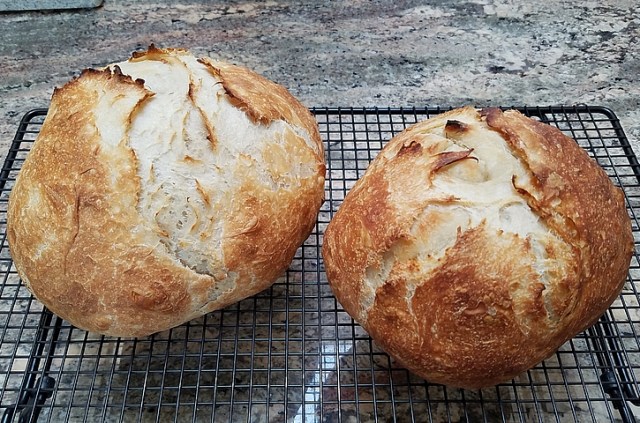
There are just a few days left of the 2nd Annual Sourdough Giveaway. If you haven’t yet requested your starter, the giveaway goes through January 31, 2019. You’ll be joining several new sourdough bakers. This post features some of the creations they’ve shared. I also share how I prepared the packets of sourdough starter I’ve been giving away. Dehydrating starter using this technique not only lets you share starter over long distances but also lets you save some starter if you’re concerned about losing your primary culture or don’t plan on baking for several months.
Learn to dehydrate sourdough starter
Sourdough Rye Bread

I was on a mission to make a tangy rye bread long before I started working with sourdough. It all began when I arrived in St. Petersburg, Russia, on one of the coldest days on record. I’d just come from Norway, where I’d fallen in love with gjetost, a whey-based goat cheese that’s the color of caramel, has the richness of fudge, and melts on your tongue. Before leaving the country, I splurged on a log so large you can’t find it in the States. It was usually served with dry crispbread in Norway. Once I was settled in Russia, I discovered my favorite pairing for the cheese: Russian black bread.
The rye bread I ate in Russian bore little resemblance to what’s typically labeled “Russian rye” in America: no instant coffee, no cocoa powder, no caraway, no corn syrup. It was simply flour, water, and salt, all leavened with a sponge or starter. In other words, a sourdough bread. The problem was getting a recipe. Bread was subsidized when I was in Russia; a rye loaf cost 33p (about $1), and no one I met in the city was making it at home. The bakers where I bought my bread clearly thought I was a crazy American when I asked for the recipe: they started spouting ratios I could barely understand that seemed to start with about 50 pounds of flour.
Learn to make Sourdough Rye Bread and Gorgeous Grilled Cheese
Sourdough Naan
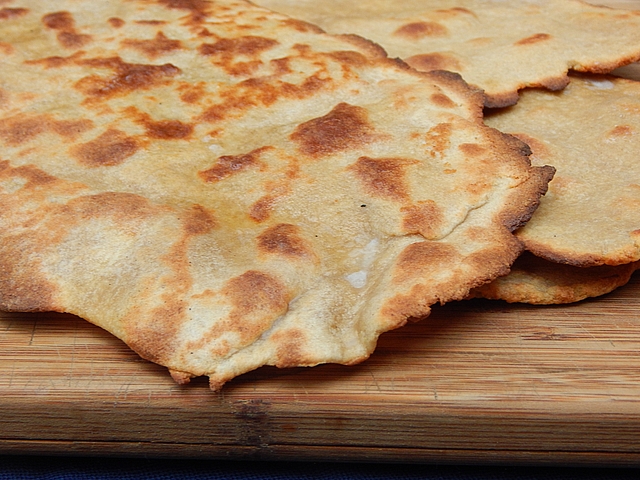
I bake sourdough because it’s delicious. But many people discover its tangy flavor because they have problems digesting other breads. Studies have found that sourdough—particularly homemade, long-ferment sourdough—is not only easier to digest but may have bonus health benefits. It makes sense if you think about it: You feed your sourdough starter flour. It eats it, turning it into more wild yeast and healthy bacteria. When you use it to make a bread, the longer the dough sits, the more it predigests the flour for you. As it does this, the sourdough bacteria release micronutrients, neutralize phytic acid, and stabilize blood sugar levels. And this all makes the bread twice as tasty.
The upshot is that if you have a gluten sensitivity but have not been diagnosed with full-blown celiac disease, you may be able to eat homemade sourdough breads. I’m not a doctor or nutritionist, so you should discuss this with yours, but there’s disagreement on whether gluten-free products, particularly commercially processed ones, are better than their homemade, wheat-based counterparts if you don’t have immune reactions to gluten.
Learn to make Low-Gluten Sourdough Naan and Spiced Red Lentil Dip
Sourdough English Muffins

If you’ve been following along on Facebook or Instagram, you know I’ve spent weeks perfecting this Sourdough English Muffin recipe. Once I started researching recipes, I discovered people’s images of English muffins—including which ingredients to use and how they should be cooked—vary widely. I tested everything from extremely wet batters to baked muffins to rolls folded like Sourdough Brioche. After many practice batches, I developed the recipe I’m sharing here. It’s as close as I can get to the traditional English muffin process in my home kitchen while maintaining my favorite aspects of baking with sourdough: long ferment times, little handling, and smashing flavor and texture.
Despite its name, the English muffin’s closest kin is the crumpet; that’s probably why some English muffin recipes call for doughs so wet that they need to be cooked within a ring. The original creators baked the muffins on an open griddle; many modern recipes rely entirely on or finish in the oven to ensure the dough cooks through. I’m not sure who decided English muffins would be the perfect base for eggs Benedict, but we can all agree they pair beautifully with hollandaise.
Learn to make Sourdough English Muffins and Small-Batch Hollandaise
2nd Annual Sourdough Giveaway
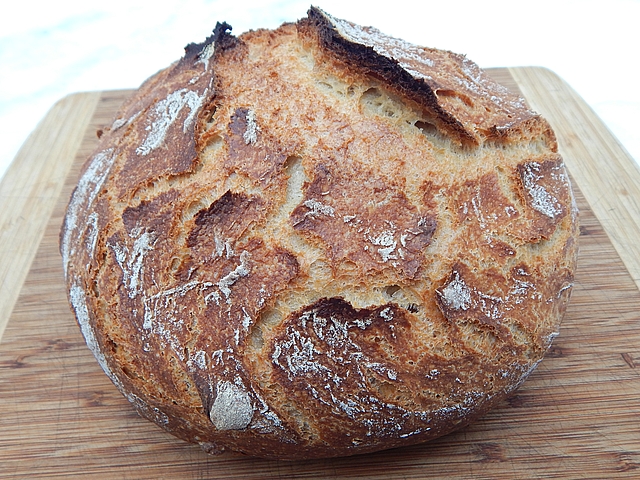
Happy 2019 from Twice as Tasty! January is Sourdough Month here on the blog, and last year’s Sourdough Giveaway Experiment was so successful that I’m making it an annual event.
Keep reading to get in on the 2nd Annual Sourdough Giveaway
Favorite Books: Fermenting
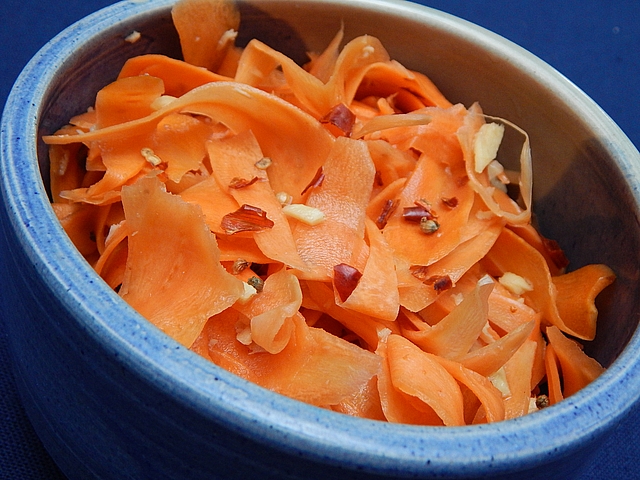
I’m still getting lots of questions about last month’s posts on fermenting vegetables at home. If you’re afraid to ferment your own produce, it’s likely because the technique is unfamiliar. I understand the hesitation: Fermentation involves so few ingredients and tools but so much time that you worry about messing it up.
Fortunately, fermenting has a long history, and it’s modern popularity is on the rise. This translates to lots of fabulous resources to help you become comfortable with fermenting fruits and vegetables. Here are some of my favorite sources for fermentation recipes and advice.
Read more about home fermentation
