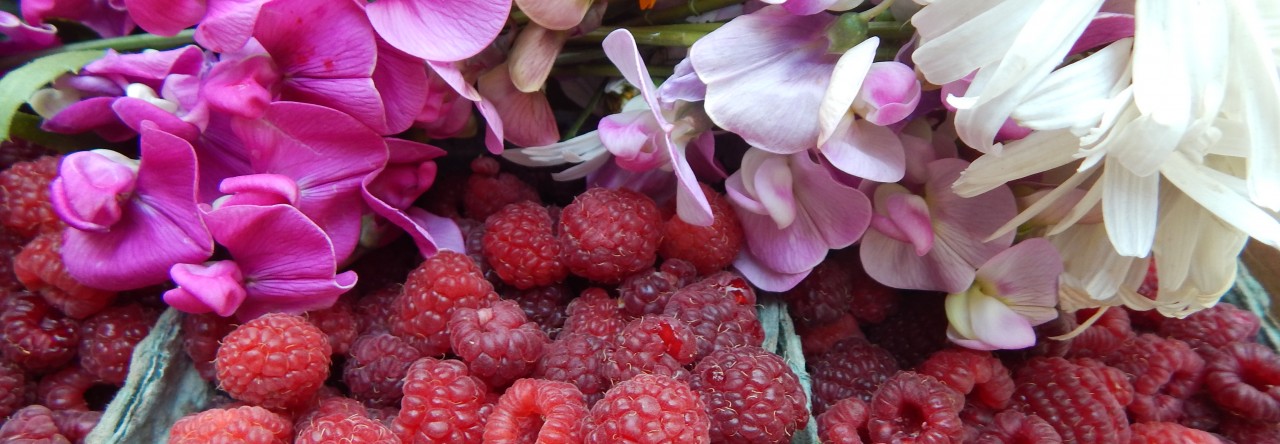

When you regularly make cheese and other dairy products at home, you’ll be impressed by two things: the amazing creations you can make from a few ingredients and the amount of whey you generate. When you turn milk into cheese or yogurt, you separate the solids, or curds, by cooking and draining off the liquid, or whey. Commercial manufacturers of Greek yogurt generate so much whey it’s created environmental problems. If you make your own cheese and yogurt, you likely want to be at least as conscientious as the big brands. Corporations are testing large-scale solutions, but at home you have many small, easy, and tasty alternatives to pouring that whey down the drain.
Read more about using whey
Category: Topic
Cakes and Curd
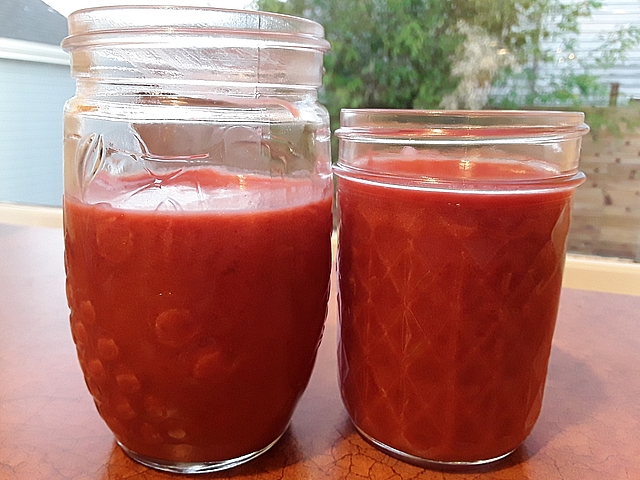
If you’ve only ever poured maple syrup on buttermilk pancakes, this week’s recipe pairing will blow your mind. Fruit curds are the tarter yet richer siblings of fruit syrups, jams, butters, and even sauces. Unlike these high-heat, bubbly creations, fruit curds cook low and slow, until their blend of juice, sugar, eggs, and butter becomes silky smooth. One bite of a fruit curd and you’ll want to use it as a spread on baked goods, a filling for shortcakes or layered cakes, a dipper for fresh fruit, a swirl of flavor in Fresh Yogurt, or even a sneaky spoonful eaten straight from the jar.
Just to up the ante, I like to pair luscious, jewel-toned berry curd with pancakes darkened by molasses and spices. Most gingerbreads are made as desserts and rich in butter, refined sugar, and egg, but the fruit curd topping covers all of those bases. For breakfast, all of those elements can be cut or scaled back to focus on warming spices and bittersweet molasses.
Learn to make Berry Curd and Gingerbread Pancakes
Caring for Cravings

When I wrote about redefining comfort foods and shared some of my favorite “new comfort food” recipes this time last year, I quickly discovered I couldn’t have picked a better topic for March. Spring officially arrives late in the month, but for a few more weeks many of us are still bogged down by winter weather and yearning for warmer, brighter days. Seed catalogs and fairs arrive to tempt us with garden dreams, but at my house, feet of snow still blanket the beds and the Old Farmer’s Almanac predicts a “cooler than normal” spring for these mountains.
No wonder food cravings have set in. Solutions for dealing with the intense desire to eat high-fat, energy-dense, sweet, and/or salty foods—in other words, typical comfort foods—range from mind tricks to improving overall health. But what if you simply give in to your craving by making a recipe from scratch that uses real ingredients and includes the component you crave?
Read more about caring for your cravings
Finding Flavor
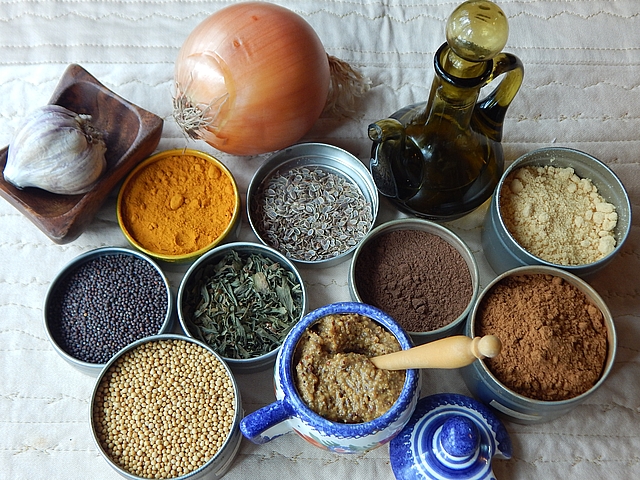
It’s been a mild winter in northwest Montana—until now. Temperatures dropped more than 40°F over the weekend into negative digits. Our annual cold snap always makes me cozy up by the fire and crave the heat and taste of summer.
This craving ties directly to the effort I put into freezing, canning, and otherwise preserving the vegetables and fruits of summer: I know my coldest winter days will feel warmer if I don’t have to rely on mealy out-of-season tomatoes and tasteless lettuce. My wintertime food cravings can be summed up in one word: flavor. Here’s how I ensure I can satisfy my cravings on the coldest days.
Read more about finding flavor
Winter Warmers

It may sound odd to have childhood memories of hot cocktails, but the scents of warm spiced rum and wine mingle with those of a freshly cut tree in my mind. My dad in particular is a fan of hot buttered rum, and for years my mom’s homemade mix was a holiday staple. Mulled wine was another family tradition, but I associate it with New Year’s Day, when my sister and I would go with my mom to a puzzle party. Several tables of complicated jigsaw puzzles would fill the living room, but the boxes showing the finished picture were always hidden away. We would spend hours linking together pieces, often the only kids amid a roomful of adults. The scent of warm spices hit you the moment the hostess opened the front door.
Now that I’m old enough to enjoy not just the smell but also the taste of winter warmers, I’ve adapted the family recipes to suit my tastes: less sugar and more spice. Don’t hesitate to adapt these recipes yet again until you decide they’re filled with everything nice. Learn to make Hot Buttered Rum and Gløgg
Pantry Dinners

As much as I love to play in the kitchen, even I have days when I want an easy meal. But most people who eat my easy meals can’t believe food this good can be so easy. The secret is in what I’m emphasizing all month: a well-stocked basic pantry.
Some of my favorite easy meals developed from flavors I fell in love with while exploring other countries and cultures. My freezer always holds a bag of frozen shrimp, often destined for the grill. But on rainy, freezing, or just plain lazy nights, a cast-iron skillet and oven broiler fill in beautifully. Add some oil, a couple of spices, and a lot of garlic, and the meal brings back memories of Spanish tapas bars and gambas al ajillo. If I cooked up a pot of beans earlier in the week, or have a can stashed on the shelf, I can sip wine, think fondly of Italy, and have a surprisingly filling vegetarian or vegan pasta on the table in less than 30 minutes.
Learn to make Spanish Shrimp in Garlic Oil and Smashed Bean Pasta
Beyond Pancakes

Say “pancake,” and Americans usually visualize tall stacks of round, freshly fried batter, dripping with butter and maple syrup and often made from a prepackaged mix. But every culture seems to have its equivalent, and many require so few, and such common, ingredients that they can be made straight from the pantry.
My family adores pancakes. My mom put together a cookbook of family recipes in 1990, printed on her dot-matrix machine and bound with plastic combs. It includes Linda’s Pancake Mix, a recipe from a family friend that features oats, corn, wheat, and powdered milk and was my mom’s go-to blend throughout my childhood. But it also includes Æbleskivers, Danish pancakes that remind me of holeless yeast donuts but are cooked in a special pan. They were my grandfather’s specialty; my sister inherited his pan, and my niece and nephew dip them in copious amounts of Nutella. My mom’s cookbook also holds recipes for Southern Spoonbread, a cornmeal-based baked “pancake” that’s closer to a soufflé and that we considered a dinner dish, and Dutch Babies, its flour-based breakfast counterpart that puffs beautifully, causing us all to claim a corner as it emerges from the oven. If I were to put out a new edition of Mom’s cookbook today, I would add crepes and their Russian variation, blini.
Learn to make Dutch Babies and Mushroom-Stuffed Blini
In the Pantry
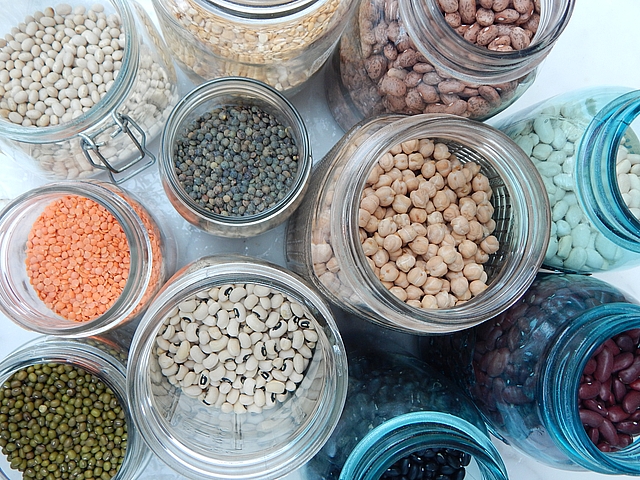 At 500 square feet, my house has a smaller kitchen and less food-storage space than most. Yet at any given moment, I can conjure a dozen of meals for a dozen people—I just need to find places for them to sit.
The secret to a well-stocked pantry is to keep small quantities of a large number of basic ingredients. Instead of buying prepackaged meals, sauces, and mixes, you can store fruits, vegetables, grains, dairy, proteins, and flavorings individually and mix them in endless variations. I dedicate at least half my pantry and most of my freezer and fridge space to such items. I fill the rest with homemade items that let me shortcut regularly used recipes, from stocks to pestos to condiments.
The advantages go beyond versatility. Stocking your pantry in this manner means your ingredients stay fresh, you can spend your money on quality items instead of large quantities that go stale before you finish them, and you’ll always open the fridge or cupboard and find something you want to eat.
Read more about improving your pantry
Favorite Books: Fermenting
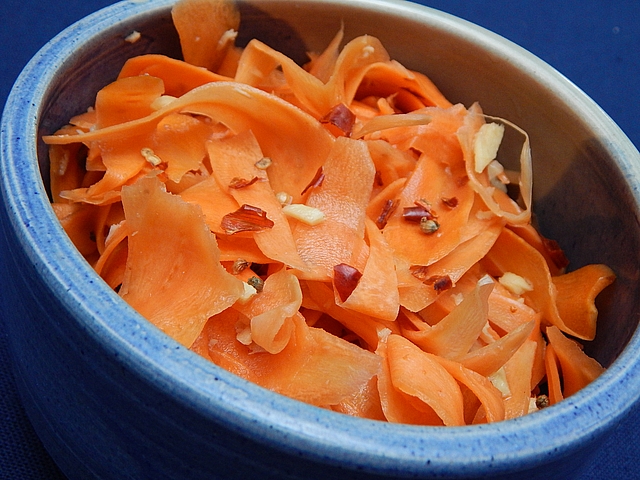
I’m still getting lots of questions about last month’s posts on fermenting vegetables at home. If you’re afraid to ferment your own produce, it’s likely because the technique is unfamiliar. I understand the hesitation: Fermentation involves so few ingredients and tools but so much time that you worry about messing it up.
Fortunately, fermenting has a long history, and it’s modern popularity is on the rise. This translates to lots of fabulous resources to help you become comfortable with fermenting fruits and vegetables. Here are some of my favorite sources for fermentation recipes and advice.
Read more about home fermentation
Sweet and Savory
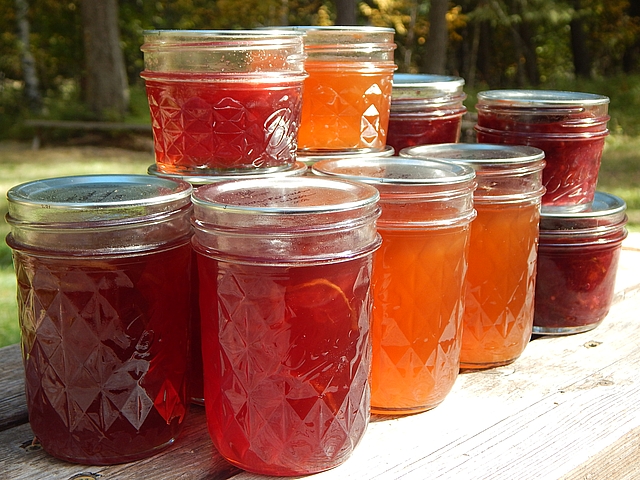
When we think of homemade preserves and spreads, we often picture the sweet fruits of summer, like berries and cherries. But they can be so much more, especially in fall. Late-ripening tomatoes and peppers and fall-harvested onions, apples, and plums are just a few of my favorite ingredients in jams, jellies, and other spreads.
You might be thinking, “Do you really put vegetables in jam?” Yes, I do! These savory spreads are thick with flavor but not as sweet as spring and summer spreads. Because many of the vegetables are low in acid, they need to be treated differently from fruit preserves. Some have a fair amount of sugar, some are heavy on vinegar or another acidic ingredient, and many use a combination of both to create a sweet and savory blend that’s safe to process in a boiling water bath.
