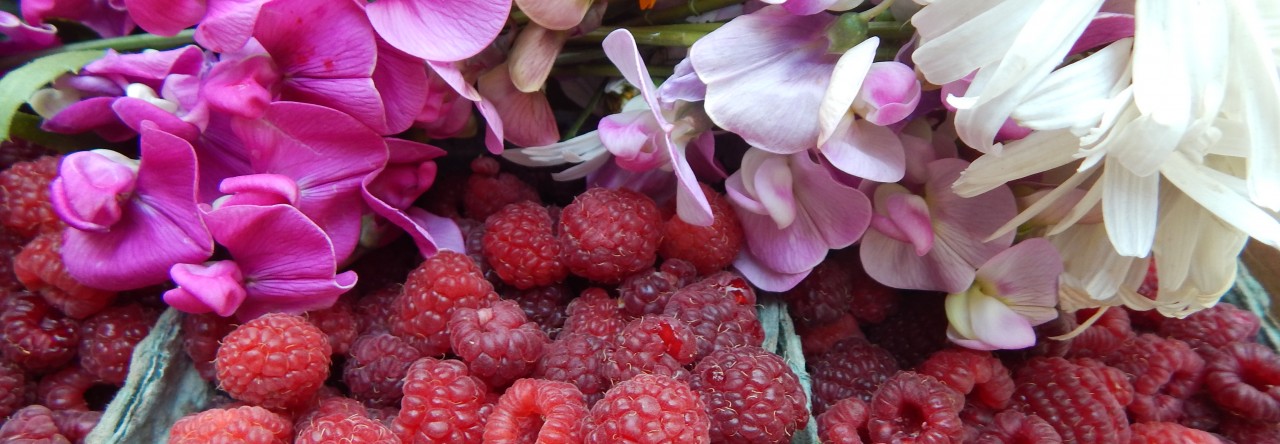
Chive Blossoms

Chive Blossom Vinegar taught me to love infusions beautifully dress salads. Get vinegar and salad recipes at TwiceasTasty.com.
We recently had a friend over for dinner and somehow ended up talking about vinegar. Well, not just talking—I was soon pulling an array of vinegars from a shelf in my tiny kitchen and explaining why I have so many, how this is just the daily stash, where I store gallon jugs for pickling and canning, and how we had unexpectedly found a mother in one jug that I was using to start my own vinegar. I may have been a little excited.

You could say that the tang of vinegar is my jam. My pantry collection typically numbers 7 bottles, which I put into everything from drinks to mac and cheese to pie crust. But because I like to mix and match flavors and keep many herbs and spices on hand, I only saw the point of infusing vinegars after I discovered a chive blossom infusion in Harry Rosenblum’s Vinegar Revival. It’s so easy to make that my recipe varies little from his instructions, but my first attempt, and probably favorite flavor, used garlic chives. The resulting flavored vinegar beautifully dresses a salad featuring fresh spring herbs.
Learn to make Chive Blossom Vinegar and Herbed Bean Salad with Fresh Mozzarella

No Recipe Required

Spring’s first edible gems are so delicious that recipes are not required. Learn more at TwiceasTasty.com.
May began with a week of firsts for Twice as Tasty. I had my first experience baking in a real woodfired pizza oven during a Grilled Sourdough Pizza workshop, and I taught my first Fine Dining: Front Country workshop for Outsiety. In both classes, I was able to share first cuttings freshly snipped from the garden. This week, I also baked the first stalks of rhubarb into a dessert to share with friends.

My first cuttings are almost always from perennials pushing up through the ground year after year. You probably think little of these plants when you see them in a produce section: they’re not showy, or colorful, or supersized. But when they’re the first edibles to pop through your garden soil, on their own time and with no effort on your part, they’re gems. And my favorite ways to eat them are so simple that you don’t even need a recipe.
Read more about simple spring meals

Mozzarella

Mozzarella was the first cheese I learned to make and use. Get cheese-making recipes at TwiceasTasty.com.
Mozzarella may seem like the epitome of soft cheeses, but as I’ve mentioned previously, it was the first cheese I learned to make. I have to thank the Cheese Queen, Ricki Carroll, for this: her books, kits, and company are the reason most people, including me and my young niece, started making cheese at home. Most of the recipes you’ll find today for quick mozzarella are nearly identical to her original kit instructions, including mine. But after years of making mozzarella at home, I’ve learned enough techniques and tips that I’m posting my own version, along with a recipe that will use the first harvest from your garden.
Learn to make Quick Homemade Mozzarella and Spring Pasta and Fresh Mozzarella Salad

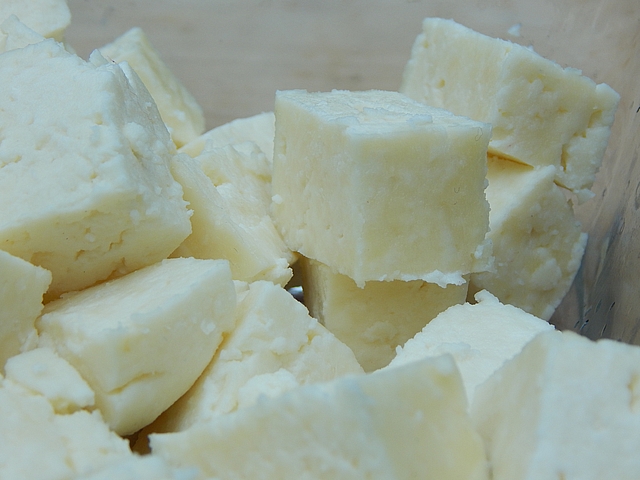
Paneer

My freezer holds all sorts of vegetables ready to mix with homemade paneer for Paneer Tikka Masala. Learn to make cheese at TwiceasTasty.com.
Every April, I’m focused on two things: what I’m going to grow in my garden this year, and how I’m going to eat up everything I saved from last year’s harvest. Last week’s post used up not just the whey leftover from making yogurt but also the potatoes starting to sprout in my storage bins. This week, I dug deeply into my freezer and found all sorts of vegetables for an Indian dinner: cherry tomatoes, onions, peppers, garlic, and cilantro pesto. Flavor them with my dwindling supply of home-smoked chilies and homemade curry powder, toss in some freshly made paneer, and the flavors explode.

There are several other fabulous things about this week’s recipes. If you already make Lemon Cheese, you don’t need to learn to make paneer: you just need to learn how to press your cheese. If you don’t yet make this cheese, which also goes by queso blanco, whole-milk ricotta, and farm cheese, you have another reason to learn how.
Learn to make Fresh Paneer and Paneer Tikka Masala

Gnocchi

Gnocchi is easier to make than you might think: you just need some basic ingredients, a few tricks, and time. Get gnocchi recipes at TwiceasTasty.com.
Italy ruined gnocchi for me, much in the way Morocco ruined couscous: After tasting the real thing, I’m no longer impressed with the convenience-food versions that dominate in America. Although potato dumplings and steamed semolina seem vastly different, they have a surprising number of things in common. Both have reputations as difficult yet delicious delicacies. This has led companies to manufacture replacements you can grab off a shelf in a box. Neither vacuum-packed gnocchi nor instant couscous comes close to its freshly made counterpart.

Fortunately, both are easier to make from scratch than you might think. They take time, and some special tools help give the best results, but you really only need some basic ingredients and a few tricks to create the real deal.
Learn to make Homemade Potato Gnocchi and Homemade Pumpkin Gnocchi

Garlic and Chives

Make the official transition from winter to spring with Roasted Garlic Soup and Savory Herb Scones. Get spring recipes at TwiceasTasty.com.
The official transition from winter to spring has arrived. At my house, that means both waiting for snow to melt and reveal my garden’s buried herbs and digging deeper into the freezer and dry-storage boxes to use up what’s left from last year’s harvest. So this week’s recipe pairing seemed apt: a light soup using the last stored garlic to offset still chilly evenings and savory scones using frozen herbs—or if you’re in a warmer zone than mine, the first spring cutting of herbs.

I start making garlic soup as soon as crisp fall nights arrive and continue throughout winter to the end of my stored stash in spring. It’s joined my arsenal of comforting soups, along with Hot and Sour Soup and 30-Minute Cherry Tomato Soup. I make these when I have a cold bug, because they help bring me back to health. I make these soups when I’m busy, because they’re easy and use ingredients I keep on hand. But mostly I make them because they taste so good.
Learn to make Roasted Garlic Soup and Savory Herb Scones

Caring for Cravings

By finding the root of your craving, you can prepare a solution high in satisfaction and low on guilt. Learn more at TwiceasTasty.com.
When I wrote about redefining comfort foods and shared some of my favorite “new comfort food” recipes this time last year, I quickly discovered I couldn’t have picked a better topic for March. Spring officially arrives late in the month, but for a few more weeks many of us are still bogged down by winter weather and yearning for warmer, brighter days. Seed catalogs and fairs arrive to tempt us with garden dreams, but at my house, feet of snow still blanket the beds and the Old Farmer’s Almanac predicts a “cooler than normal” spring for these mountains.

No wonder food cravings have set in. Solutions for dealing with the intense desire to eat high-fat, energy-dense, sweet, and/or salty foods—in other words, typical comfort foods—range from mind tricks to improving overall health. But what if you simply give in to your craving by making a recipe from scratch that uses real ingredients and includes the component you crave?
Read more about caring for your cravings

Bean Snacks

Homemade bean snacks shine as both party treats and everyday munchies. Get healthy snack recipes at TwiceasTasty.com.
We often think of beans in two stages: rock-hard dried beans and soft cooked or canned legumes. But there’s a third stage that will have you reaching for beans instead of potato chips or cheese puffs: the crunchy stage. If you’re a fan of healthy snack substitutes, you’ve probably bought bags of chips, crisps, crackers, or other snacks made from legumes. But there are plenty of advantages to making your own.

Commercial brands likely have more salt, sugar, and other additives than you expect, and some versions rely on deep-frying for crispness. By making your own, you control all of those factors; and let’s face it—if you’re eating a snack because you think it’s healthier, it really should be healthier. Even the healthiest commercial bean snacks tend to come in single-use packaging that’s unhealthy for our planet. You’ll pay a pretty penny for them too.

I started experimenting with homemade bean snacks for Twice as Tasty Live events, and they’ve become favorite everyday munchies. Larger beans, like chickpeas, we eat out of hand, but smaller ones, like lentils, are best spooned onto other dishes.
Learn to make Baked Chickpea Snacks and Crunchy Baked Lentils

Bean Soups

Soups fill our winter evenings, and the most filling ones start with beans. Get bean soup recipes at TwiceasTasty.com.
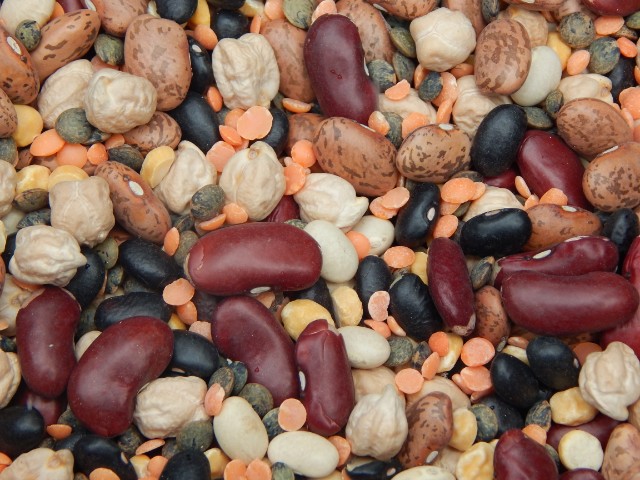
Soups fill our winter evenings, and the most filling ones start with beans. I love cooking with dried beans and tend to store many types in quart jars—which means I often have jars with just a scoop of beans left that I want to use up before I restock. Fresh Mixed-Bean Soup is the perfect option. You can use just about any bean in it, including lentils and split peas; the more variety, the more color and texture in the final soup. I often start by emptying as many jars as I can and then adding whatever beans I have in larger quantities, 1/2 cup at a time. Sometimes I even toss in leftover pearl barley.

In many ways, a soup with many types of beans resembles the bean soup mixes you can buy prebagged and tied with a pretty ribbon. But you’ll spend a lot less money if you buy the beans separately in bulk. You’ll also save money and have more control over the salt content and other additives if you started with dried instead of canned beans. And once you start cooking with dried beans, you’ll discover plenty of other uses for them, including—on this blog—pinto or kidney beans in Red Beans and Rice, black beans in veggie burgers, and chickpeas in falafel and this week’s other recipe, a Moroccan bean soup.

Learn to make Fresh Mixed-Bean Soup and Harira

Chili Paste

Harissa is so simple to make that you never need to be without a jar. Get spicy recipes at TwiceasTasty.com.

Many of my travel memories revolve around food, and what I ate during a month in Morocco lingers years later. My diet then was as it is today (mostly vegetarian with some fish thrown in), meaning I spent most of my time in country disappointing well-intentioned Moroccan women who wanted to celebrate my presence at their table with the rare treat of meat. Once they were convinced no one was being rude, we could all enjoy their everyday, mostly meatless meals. These simple dishes let the spices shine, and I soon learned to look for my favorite flavors at market stalls while I traveled from city to desert and back. One of my favorite snacks became a bag of olives heavily coated in a chili-and-spice blend known as harissa.

I discovered harissa in Morocco, but Tunisia often claims origination rights. Regardless, this spicy North African paste is served on everything from couscous to soup to toast, for the daring. I’ve tossed it with vegetables before roasting or, instead of Chermoula, with shrimp before skewering them for the grill. Harissa resembles sambal oelek, an Indonesian chili paste, but it can be harder to find in American stores. Fortunately, it’s so simple to make that you’ll stop seeking it out in specialty markets. You can make it any time of year, using fresh peppers in season and dried or even smoked ones the rest of the year—which is also fortunate, because you’ll never want to be without a jar.

Traditionally, harissa is preserved by an olive oil “seal” that is replaced each time you dip into the paste. I still store such sealed harissa in an airtight jar in the fridge to ensure it doesn’t spoil. It will keep that way for a couple of months, so I make it regularly in small batches.

Learn to make Homemade Harissa and Moroccan Shaved and Roasted Carrots