

Drying Fresh Herbs

Drying fresh herbs yourself is easy, saves money, and gives the best flavor. Learn more at TwiceasTasty.com.
Almost everything I cook has a fresh or dried herb in it—and even if you barely cook, I’d bet you have at least a couple of jars of dried herbs in your kitchen. But as I explain this week in my Twice as Tasty column for the Flathead Beacon, drying fresh herbs yourself, whether homegrown or store-bought, is an easy DIY project that will result in far better flavor and cost far less than commercially packed jars of dried leaves.

The column focuses on tips that will help you successfully dry a range of fresh herbs, but the first step may be to grow your own. Many herbs grow well in pots on a windowsill or deck. If you have more space, you can plant many types of perennial herbs now and see them pop up on their own year after year. Some can even grow until they produce seeds that you can save to cook with or to replant, such as fresh cilantro and its seed, coriander. And like sourdough starter, herbs love to be used: the more you cut them to use fresh or to dry, the more they grow and produce.
Learn about drying and using herbs

Prepare to Dehydrate

Dehydration is simple and handy in the kitchen and on adventures.  Learn more at TwiceasTasty.com.
As you prepare to preserve your harvest, it’s easy to overlook a simple and effective technique: dehydration. The process provides nutritional, flavor, and storage benefits and both preserves and enhances a surprising range of foods. Dried foods are handy not just in your kitchen but also in your child’s lunchbox, the stem bag on your bike, the front pouch on your daypack, and your ski jacket pocket.

Like most preservation techniques, dehydrating has pros and cons. On the upside, dehydrating intensifies the flavor of food, saves space, and needs little hands-on time. On the downside, food that isn’t fully dried or properly stored can mold. And although you can dehydrate in open air, you’ll get the best control over moisture, heat, and other factors is you use a dehydrator.
Learn to dehydrate and make Marinated Dried Tomatoes

Finding Flavor

My wintertime food cravings can be summed up in one word: flavor. Learn more at TwiceasTasty.com.
It’s been a mild winter in northwest Montana—until now. Temperatures dropped more than 40°F over the weekend into negative digits. Our annual cold snap always makes me cozy up by the fire and crave the heat and taste of summer.

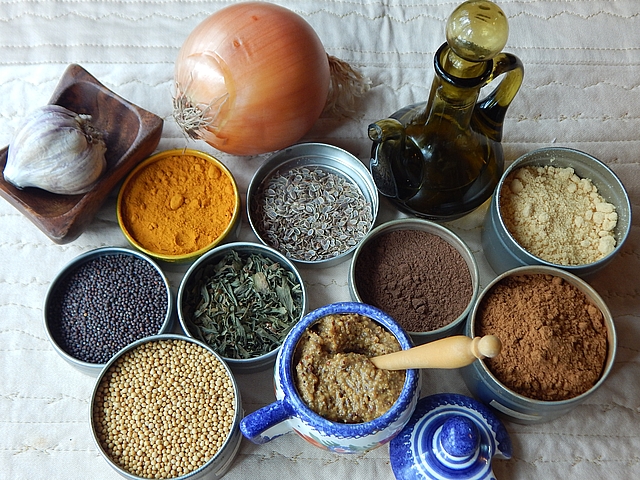
This craving ties directly to the effort I put into freezing, canning, and otherwise preserving the vegetables and fruits of summer: I know my coldest winter days will feel warmer if I don’t have to rely on mealy out-of-season tomatoes and tasteless lettuce. My wintertime food cravings can be summed up in one word: flavor. Here’s how I ensure I can satisfy my cravings on the coldest days.
Read more about finding flavor