Kitchen Favorites: Oyster Knives and Other Fish Tools

I paired my latest pieces for The Spruce Eats with a recent coastal trip and fresh seafood from my favorite farms and fisherfolk. Learn more at TwiceasTasty.com.
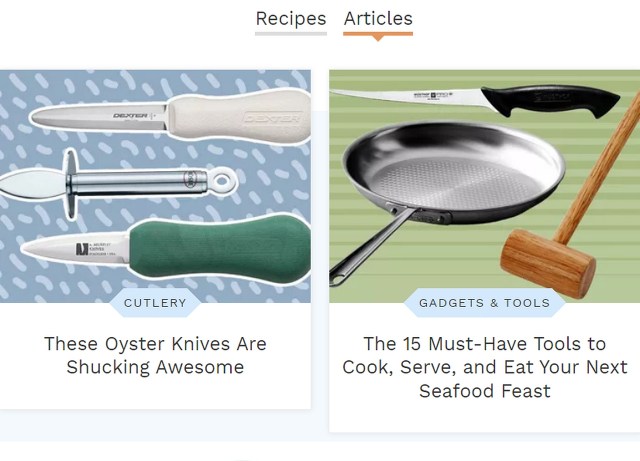
When it comes to tools for prying open oysters, filleting and grilling fish, and making stock from shrimp shells, I’ll take any excuse to pull out my favorites. I was able to pair my latest pieces for The Spruce Eats with a recent trip to the coast, so I took advantage of fresh oysters from Westcott Bay Shellfish Co. and black cod and other shellfish direct from fisherfolk at Bellingham Dockside to capture the photos I needed. I highly recommend checking out both if you’re ever on San Juan Island and in Bellingham, respectively.

My mini-reviews have landed in roundups of other oyster knives and tools, giving plenty of ideas for ways to prepare and cook seafood. My recent Health.com article on backyard and portable grills aligns nicely with these pieces, since grilling is my favorite way to cook fish.
Learn about choosing and using oyster knives and other fish tools
Roasting Peppers

 I use not one but four techniques to roast peppers of all colors, sizes, and heat levels. Learn more at TwiceasTasty.com.
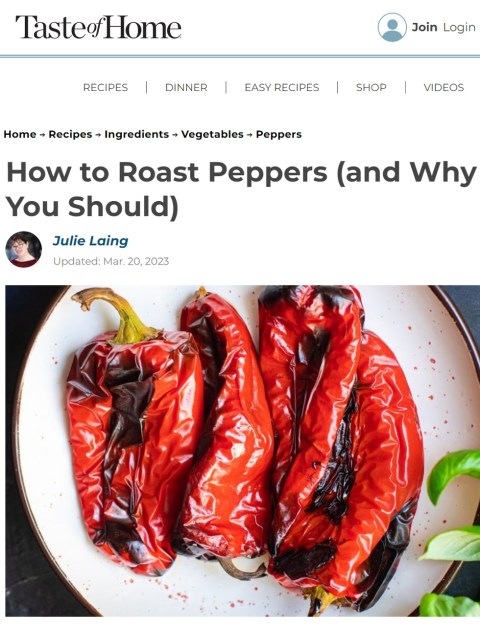
In one of my recent pieces for Taste of Home, I had a chance to share techniques for one of my favorite vegetable upgrades: roasting. I mainly roast homegrown peppers, so it’s an easy seasonal choice to char them on the grill. But if you’re buying peppers out of season or keeping an eye on a simmering pot in the kitchen, indoor techniques may make more sense. So I share not one but four ways to roast peppers of all colors, sizes, and heat levels.

Once glance at the price on a jar of roasted peppers in the store makes clear a key advantage to roasting your own. Other reasons include the ability to get them just the right softness to use in chunks in fresh dishes—jarred roasted peppers tend to be soft and slippery. I don’t just roast the standard red bell peppers, either: green bells, Gypsy peppers, Poblanos, and chilies all carry a smoky note when their charred.
Learn more about Roasting Peppers

Million-Dollar Deviled Eggs

 I’m a definite fan of deviled eggs, so my first assignment for Taste of Home was perfect. Learn to make Million-Dollar Deviled Eggs. Learn more at TwiceasTasty.com.
I’m excited to share my first article for Taste of Home: How to Make Million-Dollar Deviled Eggs. I’m a definite fan of deviled eggs, including versions with bonus flavor and homemade ingredients, so it an ideal first assignment.

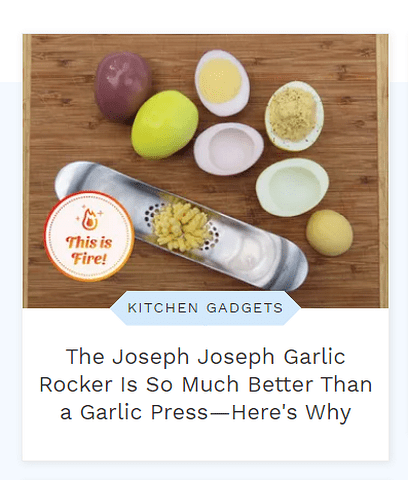
The recipe, developed by Taste of Home, has a secret ingredient that I tried for the first time when I made a test batch. They’re called million-dollar deviled eggs because they’re that rich. I made them by mashing the yolks with a fork, but they’d be just as easy to press through a garlic rocker, like I shared in another recent story.
Learn to make Million-Dollar Deviled Eggs

Slow Cooker vs. Instant Pot

Ever wondered whether you should use a slow cooker or an Instant Pot? Learn more at TwiceasTasty.com.
I’ve been focused on sourdough this month and my annual sourdough giveaway, but my recent piece for The Spruce Eats may offer you some ideas of things to eat with all of that bread you’re now baking—and the tools to prepare them in. If you’ve ever wondered whether you need a slow cooker or an Instant Pot, or which to use if both already live in your kitchen, this article aims to provide some answers.

In examining the best uses for these seemingly similar kitchen tools, I came up with ideas ranging from the typical, like braising meats and cooking dried beans, to the unexpected, like steaming custards and fermenting yogurt. I also found a few kitchen tasks that you might think would work in a slow cooker or an Instant Pot but that really should have you reaching for a different tool.
Learn about choosing and using slow cookers and Instant Pots

Kitchen Favorites: Kitchen Knives

Between canning and teaching, cooking and testing, I’ve learned the value of a sharp knife. Learn more at TwiceasTasty.com.
One thing I’ve learned from teaching workshops in other people’s kitchens is the value of a sharp knife. At home, it can be easy to ignore the dullness of a blade because we’re used to the feel of it in our hand. We think, “Oh, I just want to finish cutting this tomato and eat; I’ll sharpen after I clean up” (and then rarely do). When I’m in someone else’s kitchen, and especially if I’m trying to show off neat, clean slices, dullness becomes obvious—and embarrassing if I brought my own knives.

So I started paying more attention to the knives I own and how I treat them. I offer one of my favorites in my recent piece for The Spruce Eats: a Misen Chef’s Knife. I’ve relied on it heavily through canning and teaching, cooking and testing, for the last 18 months, and I still can’t believe how sharp it was out of the box and how easy it is to keep sharp. I’m such a fan of this knife that I gifted it (and its smaller sibling, the paring knife) to family last Christmas, along with ceramic honing rods for continual sharpness.
Learn about choosing and using kitchen knives

Kitchen Favorites: Garlic Rocker

When I kept the Joseph Joseph Garlic Rocker, I was determined to justify its position in my tiny kitchen. And I’ve done just that. Learn more at TwiceasTasty.com.
When I was asked to test an array of garlic presses last year, I hadn’t expected to keep any for my own kitchen. I grow and use piles of garlic; I’m just comfortable rock-chopping it for Sourdough Garlic Knots, slicing it for Spanish Shrimp in Garlic Oil, and roasting and squeezing it onto everything. When I owned a garlic press, it just took up space in my utensil drawer, sitting unused far too long before I gave it away.

Then, when I’d finished testing garlic presses, the look, feel, and easy use of the Joseph Joseph Garlic Rocker made it hard to give up. So I tucked it into my utensil drawer, determined to make it useful enough to justify its position in my tiny kitchen. And I’ve done just that, as I share in my latest piece for The Spruce Eats.
Learn about choosing and using garlic rockers and presses

Choosing Wooden Spoons

I reach for wooden spoons all of the time; when baking, sturdiness and handle comfort matter most. Learn more at TwiceasTasty.com.
As the holiday baking and gifting season begins, you may want to check out my recent piece for The Spruce Eats. I tested a dozen wooden spoons for the website earlier this year, using each of them to stir multiple batches of cookie dough or quick bread batter, as well as sautés, soups, pasta, and more.

I reach for wooden spoons all of the time in my kitchen, but they probably get the most use when I’m baking. Overall, I found that sturdiness and handle comfort mattered most when mixing doughs, especially dense ones. Some spoons I tested had additional features, like an edge shape that easily scraped down a mixing bowl or a small rubber scraper on the top of the handle that could clear out a measuring cup. A few had a shape that worked best when gripped a certain way to mix dough.
Learn about choosing and using wooden spoons

Kitchen Favorites: Immersion Blender

Since 2014, my Breville immersion blender has played many roles in my kitchen. Learn more at TwiceasTasty.com.
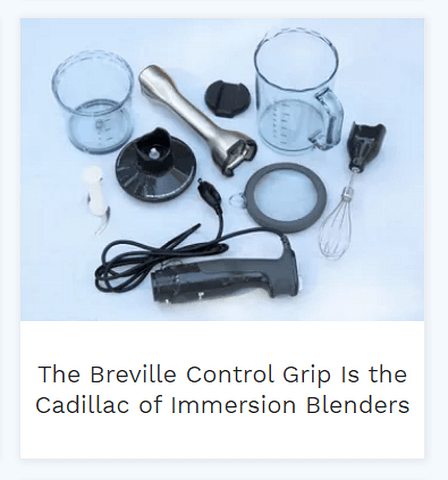
The tools I use in my tiny kitchen have to be more than functional: they have to earn their storage space by being small, powerful, multipurpose—or better yet, all three. In my latest piece for The Spruce Eats, I explain my love of one of my well-used kitchen gadgets, a Breville Control Grip immersion blender.

Since I became hooked on this immersion blender, I’ve retired my upright blender and rehomed my KitchenAid, both of which took up too much space. For a while, I didn’t even own a food processor, instead pushing my immersion blender to—and frankly beyond—its limits. It’s the tool I reach for when making fruit butter for canning, sorbet for freezing, fruit leather for dehydrating, or just simply soup for dinner.
Learn about choosing and using an immersion blender