
Spring Vegetable Quiche

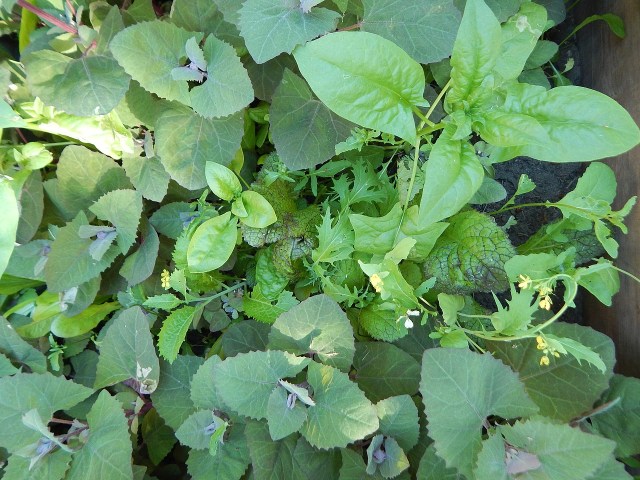
I soon expect to gather enough asparagus and baby spinach for my first spring quiche. Learn more at TwiceasTasty.com.
If you’ve been reading my latest Twice as Tasty columns for the Flathead Beacon and some of my other recent work, you know that spring has been oh-so-slowly arriving in Montana, with days of sun, snow, rain, frost—and sometimes all four in a single morning. The garden is beginning to wake up, with the greens we let go to seed last fall sprouting in freshly weeded beds and my first round of cold frame seeds showing signs of life. Walking onions and chives have been available for harvesting in small quantities, and rhubarb and mint will soon be big enough for the first crisp and mojitos.

However, the asparagus is still stubbornly in hiding from freezing overnight temperatures. As soon as we consistently get nights just a couple of degrees warmer, I expect to gather enough of it and baby spinach for my first spring quiche.
Learn to make Spring Vegetable Quiche

Gardening from the Kitchen

Narrowing down the choices of what to plant can be as challenging as finding time to tend the garden all season. Learn more at TwiceasTasty.com.
The ongoing arrival of seed catalogs is reminding me that no matter how cold it is outside, now’s the time to start planning the garden. This week’s Twice as Tasty column for the Flathead Beacon has a decidedly local spin, mentioning local sources for seed and local farms offering community-supported agriculture (CSA) shares. If you live outside the area, take these as reminders to look out your own back door for local seed and produce resources before they sell out. According to Axiom’s 2022 garden survey, 62% of respondents plan to plant more this year.

Narrowing down the choices of what to plant can be as challenging as finding time to tend the garden all season. Read on to find out how I try to resist planting more than I can manage.
Learn more about gardening from the kitchen

Late Tomatoes

Late tomatoes never match midsummer fruit, but I treasure them as the season’s final flush. Get tomato recipes at TwiceasTasty.com.
Tomatoes are the last true summer crop that I grab from the garden. The shift comes as swiftly as the fall back to standard time: one deep temperature swing makes every green fruit still on the vine inedible. Each fall, I follow weather forecasts, gamble on their accuracy, and try to pluck every fully formed tomato before the first killing frost.

Even if I succeed, the reward isn’t the perfectly red, juicy treats I’ve been feasting on all summer. It’s boxes of hard, underripe tomatoes. Some I’ll eat or preserve while green, but most sit for weeks beside my desk, where I watch them gradually ripen.

These tomatoes never match the bright, sweet bite of sun-kissed midsummer fruit, but I treasure them as the season’s final flush. Rather than eating them out of hand, I’ve found that letting them cook slowly, like in this savory pie, maximizes their maturing flavor.
Learn to make Late-Season Tomato Pie and Herb and Cheese Pie Crust

Quiche

Quiche is a bit more work than frittata, but it has its upsides too. Get quiche and frittata recipes at TwiceasTasty.com.
When I prepared to share this recipe, I was surprised to realize it would be my first quiche on the blog. It’s one of my favorite springtime dinners: the hens are back to a full laying schedule no matter how cold it was over winter, spring greens and herbs are ripe for the picking, and asparagus is growing by inches every day.

Quiche is a bit more work than frittata, because you have to make and roll out a crust. It also takes longer to cook, because you’re letting the eggs slowly set up in the oven. But it has its upsides too. Because the eggs cook slowly, they come out more like custard, whereas frittata has a tendency to set up more like hard-scrambled eggs and can burn on the bottom of you aren’t careful. The pastry helps to hold everything in place, which can make it easier to enjoy leftovers for a quick breakfast or pack them for lunch. And then there’s the pastry itself: if you’re making one crust, it’s the perfect excuse to double the recipe and bake a crumble-top pie. If you can’t justify a whole pie to yourself, the trimmed edges of the quiche crust can be rerolled into one of my favorite childhood snacks.
Learn to make Spring Vegetable Quiche and a bonus snack

Spring Greens

Hearty spring greens are delicious raw but can stand some heat. Get spring green recipes at TwiceasTasty.com.
Even in my cold mountain climate, harvesting from the garden has begun. After a winter of eating home-preserved food, I’m ready to start savoring fresh produce in my meals—and of course squirrel away tasty morsels for next season.

In our current social climate, this may be the first time you’re growing your own food, focusing on eating locally grown food, and thinking of saving your harvest for future enjoyment. If so, welcome to the club! You’ll find various ways to eat and preserve many delicious foods on the blog. I’m also continuing my sourdough starter giveaway all month for those who want to enjoy freshly baked bread with their garden goodies. In this post, I highlight some of my favorite early garden treats: spring greens.
Learn to make spring green meals and Wilted Arugula Pasta

Homegrown Hints

These gardening resources and ideas may help as you’re getting your hands dirty. Learn more at TwiceasTasty.com.
If you’re back in the garden this month—or starting a new one—you’re not alone. The Economist reports that 45% of Britons are gardening during the lockdown, and Burpee says it sold more seeds in March than any time in its 144-year history. It’s going to be a tasty season for homegrown food.

Instead of planning meals to eat on our standard spring sailing adventure, we’ve been staying home and preparing the garden. Early seeds are in the ground (greens and peas), and cold-hardy brassica starts are being tested by cold nights. We jumped the gun a bit on starts for heat-loving greenhouse plants and have fingers crossed. It’s shaping up to be a good season.

The ins and outs of growing your own vegetables is a whole other blog, but here I pass on a few resources and ideas that may help as you’re getting your hands dirty. I’ll be sharing recipes this month that use spring crops, whether you have a container garden on your patio, raised beds in your backyard, or a weekly delivery box from a local farmer.
Read more about homegrown hints

Filling Salads

Salads are so versatile: chop up some ingredients, toss them with dressing, and your fresh, one-dish meal is ready to eat. Get salad recipes at TwiceasTasty.com.
Salads dominate my harvest menu. They’re so versatile: chop up some ingredients, toss them with a bit of dressing, and your fresh, one-dish meal is ready to eat. I start making homegrown salads as soon as spring greens show true leaves and don’t stop until the ground freezes.

Most salads fit the “no recipe required” category. Once you find your preferred ratios, even the dressing can be made on the spot with whatever’s at hand. If you follow @twiceastastyblog on Instagram you’ll find plenty of my daily salads. But I still get enough requests for ingredients and proportions that you’ll find a couple dozen salad and dressing recipes on the blog and can even gather your friends for a workshop. Some of these recipes are traditional, like panzanella, sunomono, and the two American classics in this week’s post. But as you’ll learn, all of these salads can be adapted based on what’s in season and what you have on hand.
Learn to make Three-Bean Salad and Taco Salad

Flavors of Fall

Even though September means hours of putting up homegrown food, much of the garden will offer portions suitable for fresh meals. Learn more at TwiceasTasty.com.
Of all the growing months, September holds the garden’s greatest bounty. I’ll harvest the widest variety of produce over the next few weeks, some of it from plants that are in their prime but much of it from those that are yielding their final offerings. In my garden, many plants will release preservable quantities this month, including nightshades, cucumbers, squash, and if a frost hits before the month’s end, apples. Plums and pears will be the only new arrivals, but they’ll all be ready at once.

Even though I spend plenty of hours in September putting up homegrown food, much of the garden will offer portions suitable for fresh meals. Broccoli and even asparagus are still putting out a handful or two of new shoots at a time. Corn and snap beans just passed their peak but will continue to give up enough for immediate use. Cherry tomato and basil plants will keep reminding me of summer even as the days shorten and cool. So I’m taking a break from sharing canning recipes this month to pass on some of my favorite ways to savor the flavors of fall.
Read more about the flavors of fall

Favorite Books: Gardening

Tasty food starts in the garden. Read more about my favorite gardening resources.
Tasty food starts in the garden. It’s rare for me to post a recipe without mentioning homegrown ingredients, freshly harvested produce, and other gardening thoughts. Sometimes I make suggestions for planning, growing, maintaining, and harvesting food from your garden, including herbs, fruits, and vegetables.

But the nitty-gritty on getting your hands dirty in garden soil would fill a separate blog. I share information I glean from other sources in every post on this blog, and I’m always happy to answer questions posed in post comments or the Twice as Tasty Facebook group. But if you want to learn even more about growing your own food, I suggest seeking out some of my favorite resources.
Read more about my favorite gardening resources