Learning to Eat Well

Want to get a jump-start on the summer season? Take a Twice as Tasty workshop. Learn more at TwiceasTasty.com.
It’s time: Uncover beds, clean up the garden, thin the berry patches, pull the season’s first weeds, and plant seeds and starts. Gardening season has begun.

Although your mind might be reeling with the to-do lists that will get your garden up and running, give a little thought to where its bounty is going: table, fridge, freezer, pantry, and more. I’ve already loaded the blog with lots of information to help you enjoy what you’ve grown—now and later. But you’ll get an even bigger jump-start on the season with a Twice as Tasty Live workshop. You’ll learn more, faster, among friends, and with my personal help. This week’s post highlights some of the best workshops to get on your calendar this summer. As days grow longer, my schedule gets tighter, so pick your topics and contact me soon to set up your personalized workshop for the summer season.
Read more about learning to eat well

Three Cups of Tea

For me, traveling revived the family tradition of daily cups of tea. Learn to make Moroccan-Inspired Mint Tea and British and Russian Black Tea. Get tea recipes at TwiceasTasty.com.
I grew up in a family of tea drinkers: hot tea for breakfast, iced tea in summer, even decaf tea in evenings. Although my mom might hesitate over a choice of English Breakfast or Earl Grey, both she and my grandmother gravitated toward black teas, unsweetened and unadorned.

As soon as I was deemed old enough to drink hot, caffeinated beverages, I saw it as my duty, as a mildly rebellious teenager, to develop a coffee addiction. But once my independence was established, I added tea to the mix. Traveling only expanded my repertoire. In Great Britain and Russia, I continued the family tradition of daily mugs of black tea, learning to love a bit of sweet, creaminess in some cups. Morocco brought another twist: hot green tea to fight the ambient heat and seal a business deal or friendship, with so much mint and sugar it resembles a breath mint.
Learn to make Moroccan-Inspired Mint Tea and British and Russian Black Tea

Homemade Sorbet

I started making sorbets a few years ago after tasting rhubarb–rosemary sorbet created by our local Sweet Peaks shop. I believe these purveyors of handcrafted ice creams had recently opened and were peddling their chilly concoctions from a converted horse trailer at the weekly farmer’s market. The sorbet was to die for. I immediately thought, “I can grow rosemary, and my shady property produces rhubarb all summer. I could make this!”

A bit of research revealed that I needed to make sorbet: not only does it burst with fruit flavor undiluted by dairy, but it requires no special equipment, like an ice cream maker (although if you own one, you can put it to use). A few tricks and techniques produce a silky sorbet from just about any fruit you can think of and show off herbs and other botanicals. I use two methods, depending on the featured fruit.
Learn to make Raw Fruit Sorbet and Cooked Fruit Sorbet

Herb Infusions

Salt and sugar get a bad rap for their effects on our bodies when consumed in large quantities, but their ability to act as a preservative is often underappreciated. Salt and sugar prevent spoilage and make it difficult or impossible for undesirable bacteria to grow. The rule of thumb for salt curing is that 20% salt keeps most undesirable bacteria at bay.

Although dehydrating and freezing are the most common ways to preserve herbs, the rising popularity of artesian salts and infusions has brought attention to herbs preserved in salt or sugar. The preservative pulls moisture from the herbs while keeping their flavor intact. Leaves plucked from the jar can be used as though they were fresh. The remaining herbed salt works best as the finishing touch, but infused sugar can also work within a recipe. A little of the flavored salt or sugar goes a long way, and the herbs keep a long time.
Learn to make Salt-Preserved Herbs and Herb-Infused Sugar

Freezing Herbs

If I could have only one garden, it would teem with herbs. Many of these easy-to-grow plants survive any climate or soil and are among the first shoots to appear each spring. Most are either perennials that return without fail or annuals that self-seed so readily one seed packet produces a perpetual crop. Herbs thrive on usage; the more you snip and pluck, the happier they become. Although the plants are rarely showy, a garden that contains herbs and edible flowers such as nasturtium, calendula, and viola is as delicious to look at as it is to harvest from.

Although fresh is best, herbs are easily saved for meals year-round. A little goes a long way, so even a couple of balcony pots will likely produce enough for use throughout the season. Many herb savers dehydrate their harvest, but some herbs, like chives, taste better when frozen.
Learn how to freeze chives and make Herb Butter

Asparagus

In our garden, asparagus kicks off the edibles’ season. Only herbs like chives and mint beat it to the mark. With these perennials, there’s minimal work involved once the plants are established. Simply wait for them to start popping out of the ground, and you know it’s time to get to work in the rest of your beds.

Hands down, my favorite way to eat asparagus is grilled. It’s so easy to prepare and is a fabulous accompaniment to anything else you would throw on the grill. It also works beautifully on pasta, in risotto, or over salad greens. We often gobble it all up fresh, saving only a little for refrigerator-pickled asparagus, but sometimes we can’t keep up and the spears get tough. It’s a perfect excuse to turn those spears into a puree that can be used to flavor sauces, soups, and rice dishes after the plants have stopped producing.
Learn to grill asparagus and make Asparagus Puree

Yogurt Dips

Homemade cheese and yogurt are delicious not just on their own but also when featured or even a footnote in other recipes. Bring a tray of homemade dips, cheese, and sourdough bread to a potluck or party (or house concert), and guests immediately compliment your tasty contribution. Then when someone asks what’s in the dip, say, “homemade yogurt”; eyes brighten, jaws drop, and people dig back into the bowl. At least, that’s my experience.

I’ve long been a fan of tzatziki, and it’s among my favorite ways to showcase homemade yogurt. A tangy fresh batch makes the dip pop—so much so that I cut back on the lemon juice. Although traditionally made with sheep’s or goat’s milk, draining a cow’s milk yogurt until it’s thick works beautifully. Just a tablespoon or two of the same thickened yogurt gives a surprising creaminess to other dips, especially ones featuring beans.
Learn to make Tzatziki and Asian White Bean Dip

Raspberries

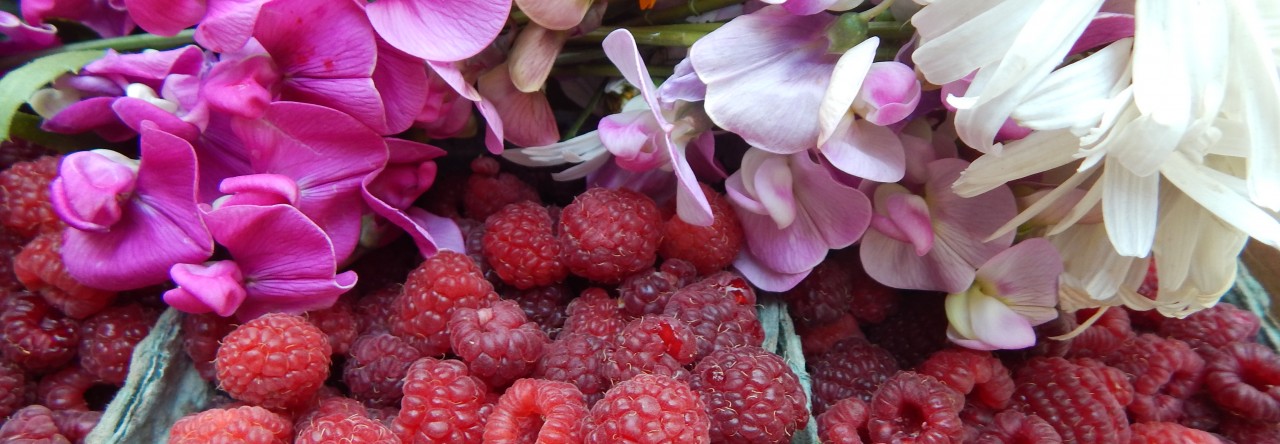
Raspberries are probably my favorite fruit; as a kid, I used to walk barefoot in PJs to the berry patch and pick them straight onto my bowl of Cheerios. Strawberries may be a close second. After everyone from my 4-year-old nephew to newlywed friends told me how they gobbled up Chamomile-Scented Strawberry Syrup, which I made using Liana Krissoff’s Canning for a New Generation, I was prepared to put up an even larger batch the next year—only to have the strawberry patch fall short. But raspberries came in with a bumper crop, so I decided to attempt an adaptation. Then while I was prowling online, I found Carey Nershi’s fabulous cocktails at Reclaiming Provincial and knew I needed to start in the oven. The idea of roasting delicate raspberries may seem odd, but that step adds another level of flavor that’s irresistible in syrup, jam, or salad dressing. Learn to make Roasted Raspberry Syrup and Apricot–Raspberry–Mint Jam