How To Make Cheese, Step by Step

For the Old Farmer’s Almanac website, I created a basic cheese making guide and a recipe with step-by-step photos for Farmer’s Cheese. Learn more at TwiceasTasty.com.
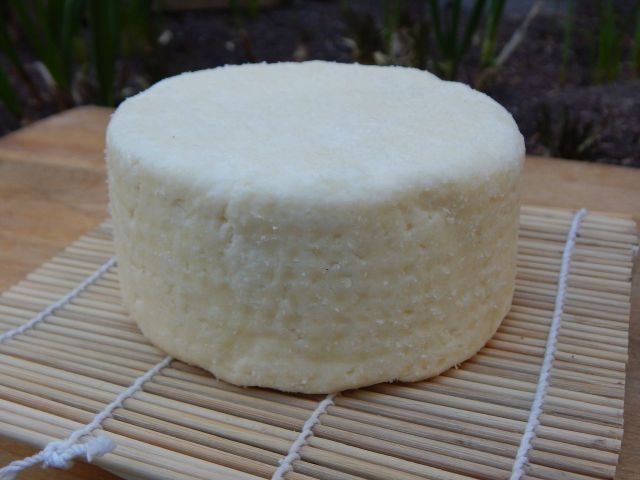
I’m excited to share my first pieces for The Old Farmer’s Almanac website—all about cheese! I created a basic cheese making guide to help beginners make their first cheese and experienced cheese makers learn some of the history and details about the process. It includes a recipe for a classic cheese from pioneer days: Farmer’s Cheese. You’ll also find that recipe in a separate post that includes step-by-step photos of the process.

I’m just as excited that by creating these pieces for Almanac.com, the editors have added more recipes to their website for making cheese and other dairy products. The website’s collection now includes recipes for homemade ricotta, yogurt, and butter. I have another piece in the works for their website, too.
Learn how to make cheese, step-by-step

Gearing Up to Preserve

 My top tip for stress-free preserving is to gear up before you dig in. Learn more at TwiceasTasty.com.
My fridge is currently full of macerating rhubarb and recently picked homegrown strawberries, ready to be turned today into jams and shrubs. I’m not the only one gearing up to preserve, as I share this week in my Twice as Tasty column for the Flathead Beacon. A local farmer told me last week that her crew has made 50 pounds of Rhubarb Kimchi, building on my recipe in The Complete Guide to Pickling. Tangy Radish Rounds and Spring Asparagus Pickles are also currently popular recipes from the book.

I’ll eventually be turning rhubarb into kimchi and fermented pickles, but today’s projects are on the sweeter side. Our strawberry crop has hit its peak, so I’ll be developing some jam recipes to share down the road, featuring the sweet fruit and pairing it with rhubarb. I’ll also be canning up one of my seasonal favorites: Rhubarb–Earl Grey Jam.
Learn how to gear up for preserving

Curtido

Learn more about my latest work on and off the blog at TwiceasTasty.com.
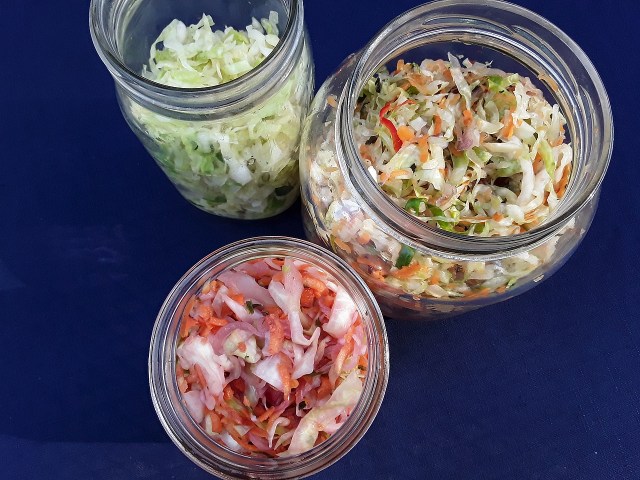
Can you believe that just 1 year ago I announced the release of my cookbook, The Complete Guide to Pickling? More than 6,000 copies have sold over the last year, and I’ve received such amazing feedback from readers. I’m particularly thrilled that I can continue to share some of my favorite recipes from the 125-strong collection. Thanks to Clean Plates, you can now learn more about—and how to make—my Cultured Curtido (Cabbage Slaw) recipe.
Learn to make fermented and quick curtido

Preserving Cabbage

Preserving cabbage. Get the recipes in The Complete Guide to Pickling by Julie Laing.
When Americans think of pickled foods, they often start with two vegetables: cucumbers and cabbage. For both types, the options extend far beyond basic dill slices and sauerkraut. I included 11 cucumber and 7 cabbage pickles in The Complete Guide to Pickling, ranging from quick pickles to relishes to ferments.

In the cabbage category, curtido has become one of my favorites. This pickled cabbage slaw originated in El Salvador and typically combines cabbage, onion, and oregano, sometimes adding other flavors like carrot, chili, garlic, lime, and cilantro. It comes together in just 20 minutes, but letting it sit in salt for a couple of hours to draw out the vegetables’ natural liquid keeps the mixture from becoming watery. After it sits another 6 hours, the curtido is ready to eat—but it keeps in the fridge for several weeks.
Read more about preserving cabbage and learn to make Eight-Hour Curtido

A Year of Pickles

It’s hard to believe that this time last year I was gearing up for my cookbook’s release. Sample recipes from The Complete Guide to Pickling at TwiceasTasty.com.
Fermented Red Onions and Half-Sour Dill Pickles. Photograph by Andrew Purcell.

It’s hard to believe that this time last year I was gearing up for the launch of my first cookbook, The Complete Guide to Pickling. The timeline of writing and publishing a book means that I spent September 2020 sitting on my hands, resisting the urge to share my favorite recipes from the book ahead of the sales schedule and Brenda Ahearn’s stunning photos from my side project, The Pickled Picnic recipe collection, before the cookbook’s release.

As the cookbook’s official on-sale and launch party dates approached, I shared a handful of recipes from the book and offered details on some helpful tools I’d discovered while working on the project. This year, I’m able to get a jump on sharing new recipes from the book while many of us are still in the heart of harvest season.
Sample recipes from The Complete Guide to Pickling

Twice as Tasty Turns 5

Twice as Tasty hits the big 5 this month! Read more about what’s new with TwiceasTasty.com.
It’s been 5 years since I began the Twice as Tasty blog, and what a journey it has been. What started as a fun hobby creating a series of recipes read by a handful of friends has led to a shift in my writing and editing business—and it’s growing every day.

Thanks for being part of the adventure. The more you read, the more I research ideas, share new recipes and techniques, and write on the blog and for other publications.
Read more about what’s new with Twice as Tasty

Home-Smoked Cheese

Upgrade mass-market cheese with a simple trick: smoke it. Get smoking recipes at TwiceasTasty.com.
Did you make cheese with me this month? Maybe you couldn’t find the time or didn’t track down the supplies. Maybe you’re nervous about making that first batch without my personal help. Or maybe, like me, you eat way too much cheese to rely solely on a homemade supply. That last reason is why I began upgrading mass-market cheese with a simple trick: smoke it.

Home-smoked cheese can easily start with a store-bought block that’s affordable but one-dimensional in flavor. I typically buy store-brand cheese or even giant deli loaves for smoking. It takes just a couple of hours with minimal involvement to impress family and friends. I smoke many types of cheese (usually pairing them with pickles, of course) to serve at parties, gift at holidays, and keep in constant supply in the fridge.
Learn to make Cold-Smoked Cheese and other foods

Ricotta: Fresh and Aged

Enjoy ricotta fresh, or salt and age it to take the flavor to a new level. Get ricotta recipes at TwiceasTasty.com.
Ricotta didn’t interest me as a homemade cheese until I spotted an aged, salted version in Karen Solomon’s Jam It, Pickle It, Cure It. She described its texture and saltiness as resembling Romano but less complex. That, I thought, is a cheese I could love. Homemade Romano is a cultured cheese that is repeatedly molded, pressed, brined, and salted before it is aged 8–12 months. So a substitute that takes less than an hour of hands-on time and is ready in a week or so seemed perfect.

This aged cheese starts with ricotta made entirely from fresh milk. If you already make Lemon Cheese, the ricotta recipe will look familiar: it’s essentially the same cheese, although I tend to drain it for less time so that it’s soft and moist. Like the lemon version, it can be eaten fresh. I often make a double batch of ricotta, setting aside half to enjoy straightaway and aging the other half into the Romano replacement.

The only ingredient difference between Whole-Milk Ricotta and Lemon Cheese is the acid used to separate the curds from the whey. The ricotta recipe uses citric acid, a powder with a sour, neutral flavor rather than a lemony one. It’s usually easier to find than the cheese cultures in last week’s post; if you can’t buy it from a local natural-foods store, you can order it online from the sources I provided for cheese cultures.
Learn to make Whole-Milk Ricotta and Ricotta Salata

Soft Cheeses

Learn to make soft cheeses, and you have so many choices. Get soft cheese recipes at TwiceasTasty.com.
I’ve always loved the tang of goat cheese, or chèvre. Unfortunately, goat milk is hard to find in my area. Local stores tend to carry one ultrapasteurized brand or a powdered version—neither of which works for cheese. Regulations for selling milk directly to individuals are so strict, convoluted, and enforced that it feels like a black market. I occasionally trade with friends who are milking goats (and have momma and babies willing to share), but mostly I gave up on making soft cheese.

That changed when I took a chance on fromage blanc. I’d written off this cow’s milk cheese as too mild for my tastes. But it has a surprising amount of tang and flavor. Best of all, the technique for soft cheeses really does work across milk types—cow or goat, reduced fat or whole milk or cream. It can be soft and spreadable or drained until it crumbles. It can be shaped or molded, and it absorbs flavors like herbs, zests, and spices. Learn to make soft cheeses, and you have so many choices. You can do it!
Learn to make Homemade Fromage Blanc and other soft cheeses

Cheese: You Can Do It!

The first thing to know about cheese making is that you can do it! Learn more at TwiceasTasty.com.
Spring is working its way into Montana. This means 4 weather cycles in a day, plenty of mud, the first harvest of walking onions, and baby animals in the barn. At the farm where I garden, two baby cows have arrived, with a third on the way. Although the mommas will keep their milk for their newborns, it always seems like the perfect time to explore home-fermented dairy and cheese.

I’ve spent little time making cheese over the past year. A year ago, I skipped my planned cheese posts to extend the sourdough giveaway and share ways to eat well when stuck at home. Then I co-opted my “cheese cave” (aka mini dorm fridge) for pickles while I was launching my new book.

But last month, while filling pierogi with potatoes and Lemon Cheese, I was reminded just how easy it is to make cheese and other dairy products. Here’s your reminder too.
Read more about making cheese