Veggie Shish Kebabs with Garlicy Marinade

Almost any vegetable can be speared on a skewer and grilled. Learn more at TwiceasTasty.com.
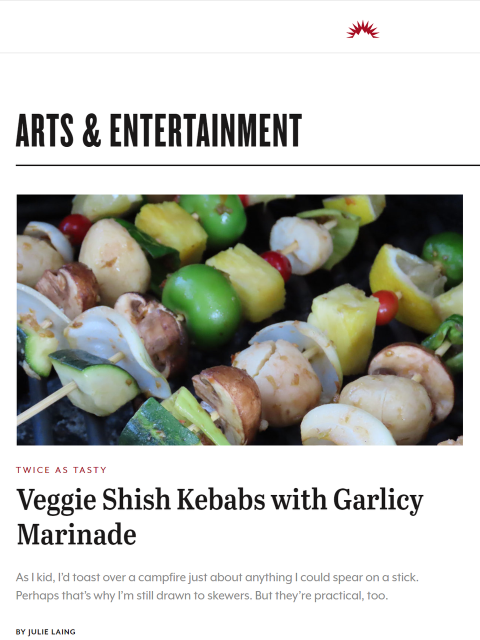
We give the grill a workout every summer, often with small items that want to fall through the grate no matter how carefully they’re arranged on the open surface. I have two grill trays that work well when smoking cherries or cheese or charring large batches of thin asparagus spears. I also have a pair of copper grill mats ideal for sourdough pizza and other soft ingredients—we even grilled scrambled eggs and potatoes on one when I forgot to put a skillet on the sailboat. But for grilled meals with more emphasis on variety than quantity, I reach for skewers.

As I share this week in my Twice as Tasty column for the Flathead Beacon, you can spear so many foods on a stick and cook them over an open flame. A simple marinade can tie the ingredients together, playing well with flavors that range from sweet tomatillos, to mild potatoes, to spicy peppers. Skewers are also ideal for grilling shrimp, scallops, meaty fish, and cubed meats.
Learn to make Veggie Shish Kebabs with Garlicy Marinade
Fermenting Grains and Beans

Lessons learned in my dosa-making adventures led to a recipe for beginners living in cold climates. Learn more at TwiceasTasty.com.
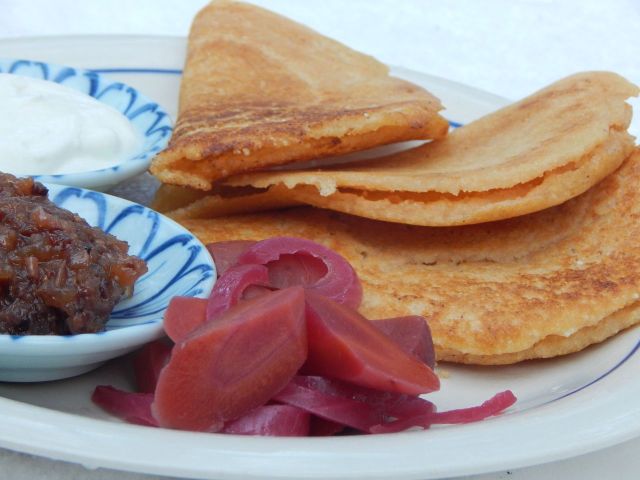
When it’s midwinter and the fermentation bug hits you, where do you turn? The logical choice to expand beyond sourdough and cheese, and the perfect pairing with this month’s Indian-Inspired Sweet-and-Sour Potatoes and Indian-Inspired Shrimp in Yogurt, seemed to be dosas. But these thin, crisp rice-and-bean pancakes offered as many challenges as advantages in my Northern Rocky Mountain kitchen.

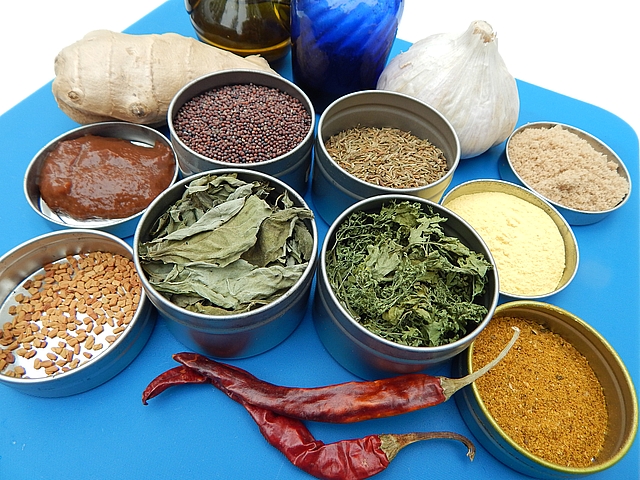
So what I offer this week are the lessons I learned as I began my dosa-making adventures, with big nods to fermentation expert Sandor Katz and writer and cook Chandra Padmanabhan. These lessons led to an Indian-inspired dosa recipe ideal for beginners living in cold climates, with plenty of ways to creep closer to the traditional texture and flavor as you become more confident in your dosa-making skills.
Learn to ferment grains and beans and make Red Lentil and Basmati Dosas

Buckwheat

I’ve found many reasons to love buckwheat: it’s gluten free, packed with protein, and easy to prepare. Get buckwheat recipes at TwiceasTasty.com.
My first memorable encounters with buckwheat groats were in Russia. In the United States, roasted buckwheat groats are typically sold as “kasha,” but in Russia, all the каша I ate as a hot breakfast cereal was a mix of grains. My Russian friends tended to cook buckwheat on its own—traditionally in an oven until it softened to a porridge—and serve it as a savory meal more than a sweet one.

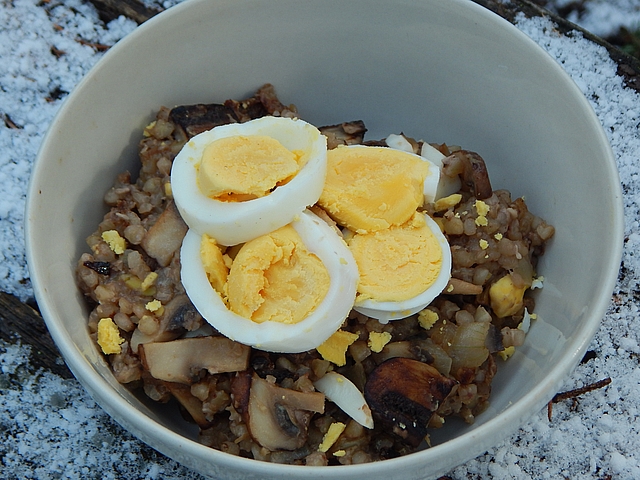
I’ve since found many reasons to love buckwheat. Despite its name in English, it’s not a type of wheat: it’s actually a gluten-free seed in the same plant family as rhubarb. So if wheat isn’t on your diet, buckwheat is your friend. Unlike some gluten-free grains, it’s packed with protein and amino acids. Soaking it removes some of its phytic acid, which can make it easier to digest. A presoak also speeds up the cooking process—instead of a slow bake in a low-temp oven, you can have it ready from the stovetop in 5 minutes for a modern take on каша сименуха, a traditional Russian breakfast, or for an easy dinner with roasted vegetables.
Learn to make Buckwheat Porridge with Mushrooms and Eggs and Roasted Vegetables with Tofu and Buckwheat

Fall Beverages

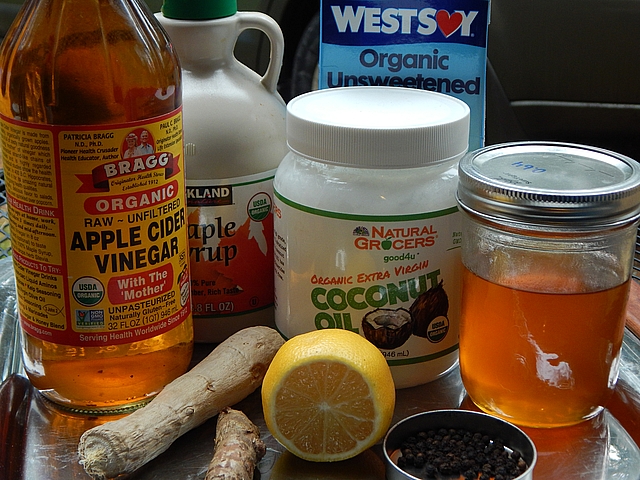
Need cold and hot nonalcoholic beverages for your next gathering? Look no further than Golden Milk and Switchel. Get beverage recipes at TwiceasTasty.com.
I first tasted golden milk at a yoga retreat in Costa Rica. Who knew that a warm beverage would be so delicious in that hot, tropical climate? But it was the perfect drink to follow an intense day of working our bodies.

When I moved from just writing about good food on the Twice as Tasty blog to making it for live events, I needed cold and hot beverages, alcoholic and nonalcoholic, to fit every season and occasion. Golden milk immediately came to mind as a warm, alcohol-free brew. I enjoyed it under the hot sun, but it’s just as delicious for fall holiday family gatherings and parties when snow is coming down. For home use, I make just the paste and keep it on hand so that I can make a mug or two at a time. For a gathering, you can prepare a full batch; place it on the table next to a chilled switchel, and you’ll find people happily swapping between the two.
Learn to make Golden Milk and Switchel

Scallions and Radishes

These scallion pancakes are gluten-free, dairy-free, vegan, easy, and tasty. Get savory pancake recipes at TwiceasTasty.com.
When the summer harvest hits its peak, one of my favorite meals is a batch of Zucchini Pancakes with Fresh Asian Salad. I enjoy these so much that a freeze grated zucchini so that I can make them all year. But the salad, with its freshy harvested tomatoes, cucumbers, and basil, is really a summer thing. So I’ve been craving a combination I could enjoy earlier in the season, while my tomato plants are still seedlings.

For a quick spring variation, I hit upon the pairing of scallions and radishes. You can easily find scallions, or green onions, at the grocery store year-round, but if you grow a garden you can harvest scallions or young perennial walking onions in spring, the tops portions of full bulb onions in summer, leeks in fall, and chives from pots all year. Each can be used in this pancake recipe. To make this recipe even more accessible, I decided to keep the pancakes gluten free, dairy free, and vegan.
Learn to make Scallion Pancakes with Chickpea Flour and Lemony Radish Salad

Bean Soups

Soups fill our winter evenings, and the most filling ones start with beans. Get bean soup recipes at TwiceasTasty.com.
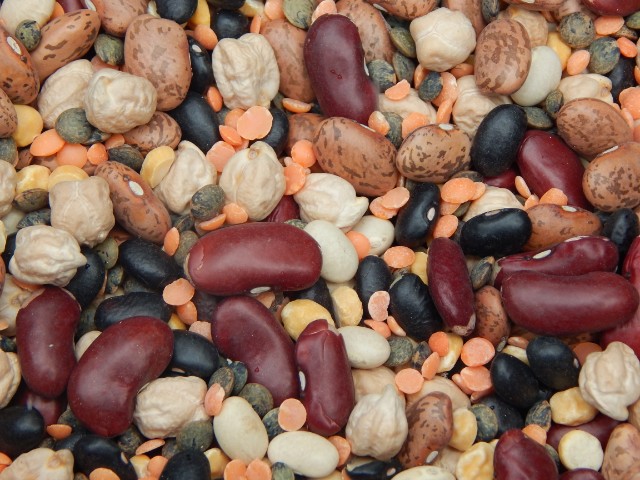
Soups fill our winter evenings, and the most filling ones start with beans. I love cooking with dried beans and tend to store many types in quart jars—which means I often have jars with just a scoop of beans left that I want to use up before I restock. Fresh Mixed-Bean Soup is the perfect option. You can use just about any bean in it, including lentils and split peas; the more variety, the more color and texture in the final soup. I often start by emptying as many jars as I can and then adding whatever beans I have in larger quantities, 1/2 cup at a time. Sometimes I even toss in leftover pearl barley.

In many ways, a soup with many types of beans resembles the bean soup mixes you can buy prebagged and tied with a pretty ribbon. But you’ll spend a lot less money if you buy the beans separately in bulk. You’ll also save money and have more control over the salt content and other additives if you started with dried instead of canned beans. And once you start cooking with dried beans, you’ll discover plenty of other uses for them, including—on this blog—pinto or kidney beans in Red Beans and Rice, black beans in veggie burgers, and chickpeas in falafel and this week’s other recipe, a Moroccan bean soup.

Learn to make Fresh Mixed-Bean Soup and Harira

Eggs

Custards and puddings let fresh ingredients shine even as they use leftovers. Get simple pantry dessert recipes at TwiceasTasty.com.
For this month’s recipes on cooking from the pantry, I use the word “pantry” loosely: it encompasses foods you keep on hand in your cupboards, your freezer, your refrigerator, and perhaps even boxes under your bed. With these basic ingredients, you can pull together dishes with little notice or effort, whether for breakfast, dinner—or now dessert.

Baked custard is a childhood favorite. My grandmother made it as an afterschool snack for me and my sister—and apparently for my mom, because I have it on an old recipe card in her first cursive writing. Custard needs such simple ingredients that even though you can make it from the cheapest milk and eggs on the shelf, local farm-fresh ingredients will take it to another level—one you can taste and see, thanks to a golden yolk. Rice pudding, a more filling variation on the custard theme, has the added benefit of using up leftovers.
Learn to make Golden Baked Custard and Baked Rice Pudding

Feel-Good Soup

Soup is the ultimate comfort food. By planning ahead, you can have it in a flash—even when you’re sick. Get Hot and Sour Broth Base and Soup recipes at TwiceasTasty.com.
Soup is the ultimate comfort food. It warms you from head to toe, even reaching fingertips wrapped around a warm bowl or mug. It can be pleasantly light or satisfyingly filling. You can load it with your favorite ingredients and flavors, and it makes brilliant leftovers. What’s not to love about homemade soup?

Some days, the answer is, “That I have to make it.” When you’re sick, soup can make you feel better, but not if you have to get out of bed, gather and chop the ingredients, and monitor the pot. When I’ve got a bug, I crave hot and sour soup. But one of my favorite recipes, Padma Lakshmi’s Hot and Sour Tomato Broth with Shrimp from Tangy Tart Hot & Sweet, requires specialty ingredients and effort. So I’ve developed a version can be frozen as a broth base. The essential work can happen long before you want the soup. When you’re under the weather, you can simply defrost and mix it into homemade stock. On healthy days, you can fill it out to create a full meal for everyone at the table.
Learn to make Hot and Sour Broth Base and Soup

Hot Cereals

I never was a cornflake girl, and as a kid I wasn’t a hot cereal girl. Then I went to Russia. Get hot cereal recipes at TwiceasTasty.com.
I never was a cornflake girl, and as a kid I wasn’t a hot cereal girl. I blame my dad: To this day, he calls his porridge “mush.” (If you want to get little girls excited about eating hot breakfast cereal, I highly suggest a different name.) Beyond the name, I disliked the taste and texture—or rather, the lack of both. Dad’s porridge was always bland oats or wheat, ground finely enough or cooked long enough that “mush” was an appropriate title.

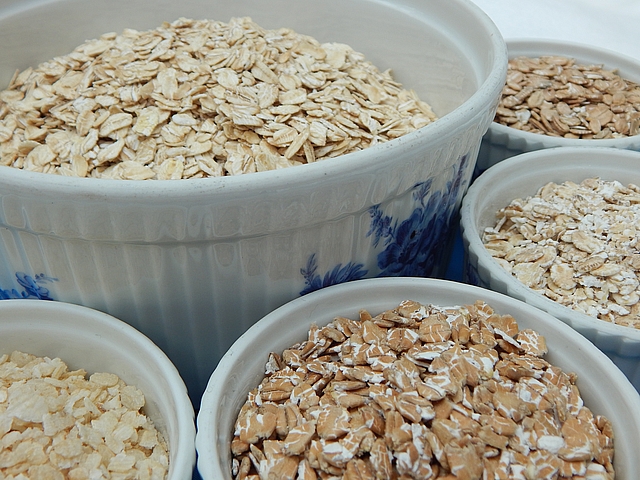
It wasn’t until I lived in St. Petersburg, Russia, that hot breakfast cereals became comfort food. Part of it was stepping off the train in early January into –23°F—weather that will make anyone eat anything hot. But mostly it was because Russians know how to make simple porridge taste good. It starts with a mix of grains, improving both flavor and texture. Adding butter to the saucepan before the grains lets them toast slightly. I then take the un-Russian step of adding spices.
Learn to make Russian Kasha and Pearl Barley Cereal with Honeyed Nuts

Falafel

The trick to perfect home-made falafel is in the beans. Get Raw-Chickpea Falafel and Lemon–Tahini Sauce recipes at TwiceasTasty.com.
If you’ve made falafel at home and been disappointed, you’re not alone. You might think you need special equipment, or some secret ingredient, or years of experience. The truth is far simpler.

I’ve tried many falafel recipes, and the results were so unsuccessful that my go-to “recipe” was dried commercial mix rehydrated with pureed soft tofu. The from-scratch problem was always moisture: cooked chickpeas, whether prepped at home or poured from a can, always made the falafel mixture too moist. I’d add binders, like flour or breadcrumbs, but these made the falafel too dense and doughy. Then I stumbled upon a falafel recipe that calls for rehydrated but uncooked beans. On my first attempt, the texture and density issues were gone. Practice led me to develop a flavorful, crisp, vegan falafel perfect for stuffing in Sourdough Pita Bread with a range of condiments and easily frozen for quick meals.
Learn to make Raw-Chickpea Falafel and Lemon–Tahini Sauce