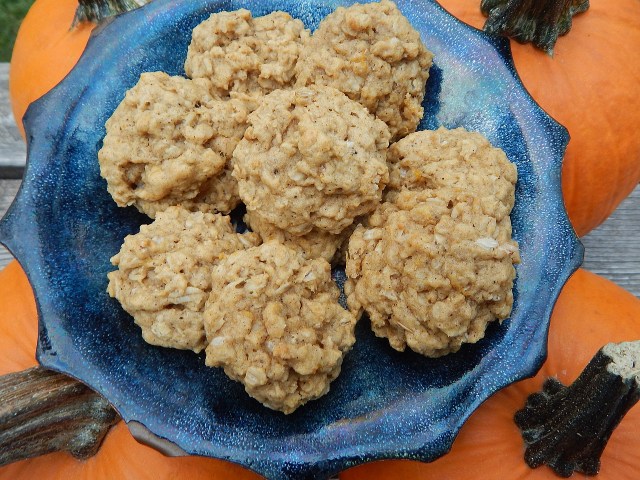
Oatmeal Cookies

I think oatmeal cookie should pack as much flavor as possible into each bite. Get cookie recipes at TwiceasTasty.com.
Have you ever eaten an oatmeal cookie that tastes like overly sweet yet bland hot cereal? I have. So when I set out to create oatmeal cookie recipes, I wanted to pack as much flavor as possible into each bite. If the ingredient lists for this week’s recipes seem long, it’s intentional: Good cookies contain layers of flavors and textures.

I started by thinking about how to bring out the best flavor from the rolled oats. As I’ve shared elsewhere, I’ve never been a fan of plain oatmeal and instead mix several grains into my hot cereal and granola blends. But cookies bake so quickly that some grains don’t have time to soften. So I stuck with rolled oats (never instant) and used browned butter to boost the nutty flavor of the cookies—all without actually adding nuts.

Several blends build on this base layer of flavor and texture. Blending white and whole-wheat flours balances the oat flakes. Using baking soda and baking powder gives cookies Goldilocks cred—not too flat, not too tall. Blending spices or using smoky salt deepens their flavor. Finally, combining sweeteners enhances flavor and hits the happy medium between too chewy and too crispy.

If you have a cookie craving and limited supplies, you can replace these blends with all-purpose flour, baking powder, cinnamon and regular salt, and white sugar. If you’re in a rush, just cream room-temperature butter instead of browning it. Try simplifying each recipe sometime as an experiment: You’ll still make cookies, but they’ll taste a little one-dimensional.
Learn to make Smoky Oatmeal–Cranberry Cookies and Oatmeal–Pumpkin Cookies
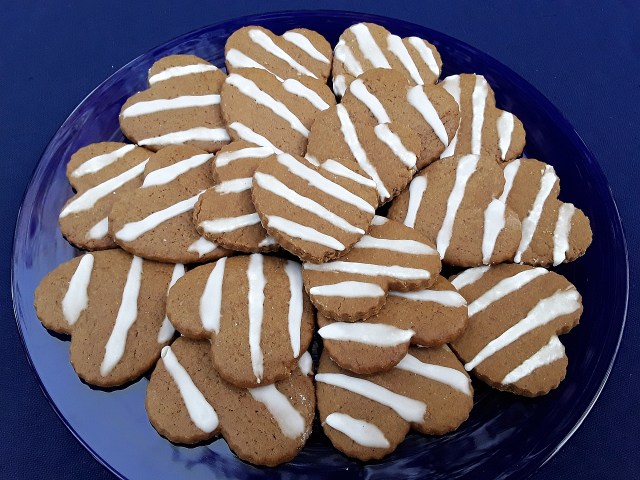
Sending Cookies, With Love

This year, I think it’s more important than ever that we send food, with love. Learn more at TwiceasTasty.com.
There’s no point in sugarcoating it: The winter holidays will look different for almost all of us this year. For most of us, holiday parties, cookie and gift exchanges, and family gatherings will be smaller, virtual, or nonexistent. But there are still plenty of ways to share the holiday cheer—particularly with food.

Despite concerns early in the COVID-19 pandemic about food and packaging contact that had us wiping down milk jugs with bleach and putting store-bought goods in short-term quarantine, we now know that food and its packaging are among the least of our virus-spread concerns. The Centers for Disease Control and Prevention says, “Currently, no cases of COVID-19 have been identified where infection was thought to have occurred by touching food, food packaging, or shopping bags.” We also know that food, particularly homemade food, can provide comfort, remembrance, joy, and more. So this year, I think it’s more important than ever that we send food, with love.

Since I’ve been on a pickling rampage most of the year, much to my cookie-loving sister’s disappointment, it’s time to bring some sweets to the Twice as Tasty table. Here are some foods I’ll be shipping to family and friends this holiday season.
Read more about sending holiday treats

Fun Pickles

Fun Pickles. Get the recipes in The Complete Guide to Pickling by Julie Laing.
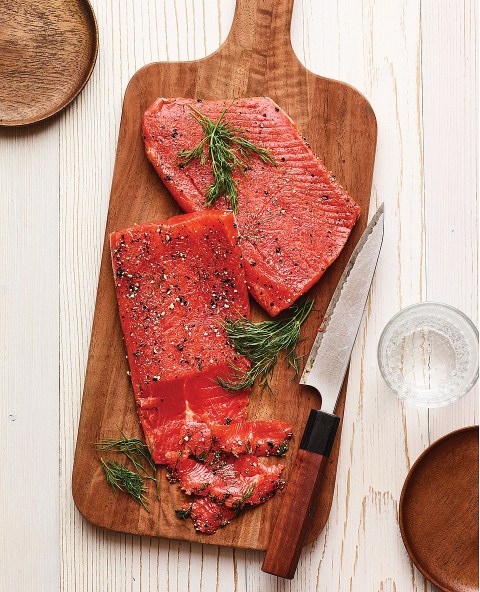
Gravlax (Salt-Cured Salmon). Photograph by Andrew Purcell.

In case you missed the news: my pickling book went on sale this week! The Complete Guide to Pickling is officially out in the world for you all to read and enjoy. As a bonus, I’ve also released The Pickled Picnic, a digital recipe collection that uses some of the pickles in my new book.

Both the book and the bonus collection are packed with fun recipes. But if you’ve been impressed by the flavors I’ve shared so far, just wait until you get to the final chapter of the book. These pickled foods will take your pickling experience to an entirely new level. I know, because that’s what they did for me.
Read more about fun pickles and learn to make Sweet Vinegar-Pickled Eggs

Fermented Pickles

Fermented Pickles. Get the recipes in The Complete Guide to Pickling by Julie Laing.
Fermented Pickles: Fermented Red Onions and Half-Sour Dill Pickles. Photograph by Andrew Purcell.

My love of pickles jumped several levels the moment I tasted my first batch of fermented pickles. I grew up with some delicious pickles: homegrown veg stuffed into jars, covered in vinegar brine, and sealed to enjoy all year. And I share many of those classic family recipes, some with modern twists for safety or flavor, in my new cookbook, The Complete Guide to Pickling. But I must admit: If you want to make truly amazing pickles, ferment them.

I talk a lot about fermentation in my new book. Whether you’re new to fermenting or have already fallen for salt brine, be sure to check out Chapter 1, where I explain the differences between vinegar-preserved and fermented pickles and walk you through my fermentation process, step by step; I also describe some of my favorite fermenting ingredients and tools in that chapter and offer many shortcuts for simply using what you already have in your kitchen. Then flip to Chapter 4 and drool over the recipes for fermented pickles. But don’t stop there. As you become more familiar with the book, you’ll realize that I’ve sprinkled fermented recipes throughout the remaining chapters of the book: Scratch-Made Sriracha, Fermented Rhubarb Pickles, Tepache, and more.

Many people feel nervous about fermenting because of its wild nature. But really, it’s one of the simplest ways to pickle food. Once you know what to expect in terms of time, appearance, and smell, you too will likely become hooked on the texture and flavor of fermented pickles.
Read more about fermented pickles and learn to make Chinese-Inspired Brined Beans

Fresh Pickles

Curried Green Tomatoes. Get the recipe in The Complete Guide to Pickling by Julie Laing.
Curried Green Tomatoes. Photograph by Andrew Purcell.

When most Americans think of pickles, they think of what I’ve gathered into the Fresh Pickle chapter in my new cookbook, The Complete Guide to Pickling: vegetables pickled in vinegar and either stored in the refrigerator or canned in a boiling water bath. The recipe list for that chapter includes some pickles that are likely old favorites (Kosher-Style Dill Pickles and Water Bath-Processed Beets) but also some fun, possibly new-to-you flavors (Curried Green Tomatoes and Szechuan-Spiced Cucumber Rounds).

But some of my new favorite fresh pickles fall in a later chapter of the book: Sweet and Fruity Pickles. I was surprised by how much I loved creating the pickle recipes in this chapter, because I generally turn up my nose at pickles labeled “sweet.” But that term is usually applied to pickled vegetables, like cucumbers and beets, that my brain doesn’t register as needing to be sweet. Fruit is a different story: whether I’m adding sugar or relying on the natural sugars within a fruit, my taste buds find that sweet and fruity pickles balance beautifully with the tang of vinegar or salt brine.
Read more about fresh pickles and learn to make Fresh Pears with Lemon

Quick Pickles

Pickling sweet peppers. Get the recipes in The Complete Guide to Pickling by Julie Laing.
Preparing quick pickles from bell peppers. Photograph by Andrew Purcell.

My forthcoming cookbook, The Complete Guide to Pickling, opens its recipe chapters with quick pickles. If you think you don’t have time to pickle, polished off your favorite jar, or simply ran out of patience, this chapter is for you. Quick pickles are just like they sound: snappy, zippy, and ready to eat in anywhere from 15 minutes to 24 hours. They typically need just a handful of ingredients and a few minutes of prep. I make them in small, speedy batches.

A few tricks made it easy for me to create 25 recipes for the Quick Pickle chapter. Some use delicate vegetables, like avocados. Others thinly slice, smash, or grate their main ingredients, like Szechuan-inspired Smashed Cucumbers, Roasted Beet Pickles, and Ginger-Spiked Carrot and Apple Pickle. Some, like the Bell Pepper Slices in the photo, could be stored but lose their brightness over time. You’ll find other quick pickles scattered throughout The Complete Guide to Pickling: Sambal Oelek and Harissa are chile pastes that can be used as soon as they are made, several fresh salsa recipes are prep and eat, and many pickles based on fragile fruit, such as blackberries, peaches, and strawberries, are best the day they’re made.
Read more about quick pickles and learn to make Russian-Inspired Pickled Mushrooms

Pear Desserts

Pears work well in simple, forgiving desserts, like a freeform pastry. Get pear recipes at TwiceasTasty.com.
If you’re harvesting your final homegrown melons of the year or just starting your growing season in the Southern Hemisphere, you likely got excited about last week’s watermelon treats. But if you’re in fall harvest mode, late-season fruits are likely dominating your table. These can be just as tasty in sweet treats as melons and berries and can be used in just as many ways.

I turn many fall fruits into canned goods we can savor and share all year, such as jams, marmalades, fruit butters, and of course Grandma Tiny’s Chunky Applesauce. For everyday eating, I turn to semisweet baked goods that last several days in the fridge or can be frozen and enjoyed in small doses, such as Quick Cranberry Bread and Double Apple Muffins. For a special treat amid fall harvest overload, pears work well in simple, forgiving desserts, like a freeform pastry.
Learn to make Pear and Goat Cheese Galette and other desserts with pears

Watermelon Treats

Melons’ natural sweetness and juiciness make them ideal for refreshing desserts. Get watermelon recipes at TwiceasTasty.com.
It looks like today could be the last 80°F day of the season in my area, so it’s the best time to enjoy a refreshing, cold, fruity dessert. Watermelon are still available in the local markets, and homegrown ones are still ripening on the vine. They won’t last much longer in the shops or the greenhouse.

Melons may not be the first fruits you think of when you consider a dessert; apples, strawberries, raspberries, and huckleberries are all more likely candidates. But melons have the advantage of pairing their natural sweetness with a satisfyingly slurpy moisture, making them ideal for refreshing desserts. Throw in some fresh herbs for bright, contrasting notes, and you’ll successfully capture the feel of summer in a bowl or glass. Better yet, your freezer and refrigerator will let you hold onto that feeling long after temperatures have dropped.
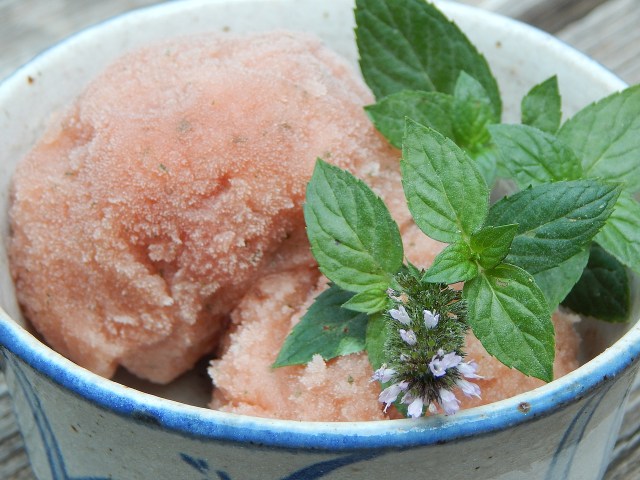
Learn to make Watermelon–Mint Sorbet and Watermelon–Basil Shrub

Coffee Cake

The name “coffee cake” says it all: you’re making a cake but have an excuse to eat it before 10 am. Get coffee cake recipes at TwiceasTasty.com.
Because I tend to enjoy sweet things more for breakfast than after-dinner dessert, coffee cake has always been high on my list. The name says it all: you’re making a cake but have an excuse to eat it in the morning.

Although the sugar and fat in granola and muffin recipes might be scaled down or up to make them healthier or more like candy or cupcakes, coffee cakes tend to be both sweet and buttery. They have far more sugar than your standard “sweet” breakfast fare, from a pinch in crepes, to molasses-sweetened Gingerbread Pancakes, to a few tablespoons in scones. So I save my longtime coffee cake favorites for special occasions, tweaking them where I can to cut back on the richness but mostly just enjoying every bite.

Learn to make Cinnamon Streusel Coffee Cake and Big Berry Coffee Cake

One Prep, Two Meals: Grilled Peppers

Grilled peppers upgrade many quick, easy meals. Get one prep, two meal recipes at TwiceasTasty.com.
If you search through the blog’s recipe index, it quickly becomes obvious that grilling and smoking are my favorite ways to prepare peppers. Sure, raw peppers add a crisp, sweet flavor to everything from salads to summer rolls. But quickly cut free their cores and place them on a hot grill, and you have an immediate upgrade to salsas, sauces, kebabs, black bean burgers, and even canning projects. Set them on a grill over low heat and smoking woodchips, and you can smoke chilies until they are dry enough to store for winter use or just enough to puree them into my favorite chili paste.

For many of these uses, I’m grilling bumper crops of peppers until I run out of coals. But you can enjoy the same intense flavor with just a pepper or two for a weeknight meal. Better yet, make room for just a little extra veg and you can prep two meals at once. I lean toward pasta on the grilling night: I multitask by cooking the pasta while I’m prepping or monitoring the grill, and then I make a creamy sauce base while I’m waiting for the peppers to cool enough to peel. The next night, all I need to do is chop up the grilled veg before stirring it into batter for savory pancakes.
Learn to make Creamy Grilled Bell Pepper Pasta and Grilled Pepper Pancakes with Goat Cheese