Learning to Eat Well

Want to get a jump-start on the summer season? Take a Twice as Tasty workshop. Learn more at TwiceasTasty.com.
It’s time: Uncover beds, clean up the garden, thin the berry patches, pull the season’s first weeds, and plant seeds and starts. Gardening season has begun.

Although your mind might be reeling with the to-do lists that will get your garden up and running, give a little thought to where its bounty is going: table, fridge, freezer, pantry, and more. I’ve already loaded the blog with lots of information to help you enjoy what you’ve grown—now and later. But you’ll get an even bigger jump-start on the season with a Twice as Tasty Live workshop. You’ll learn more, faster, among friends, and with my personal help. This week’s post highlights some of the best workshops to get on your calendar this summer. As days grow longer, my schedule gets tighter, so pick your topics and contact me soon to set up your personalized workshop for the summer season.
Read more about learning to eat well

Garden-Fresh Favorites

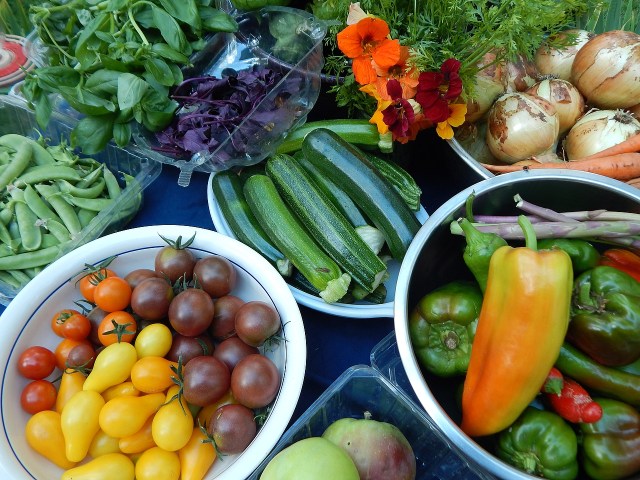
When summer hits and the garden is in full swing, I spend a lot of time processing its bounty to enjoy later. But the greatest joy of growing your own garden is immediately eating the sun-warmed peppers, crisp snap beans, and brilliant orange carrots you’ve produced. No matter how well you preserve a fruit or vegetable, it’s still a substitute for fresh-from-the-plant flavor.

Twice as Tasty made the front page of The Daily Inter Lake’s Montana Life section this week. The delicious photos and story by Brenda Ahearn focus on a recent workshop on Indian spices.

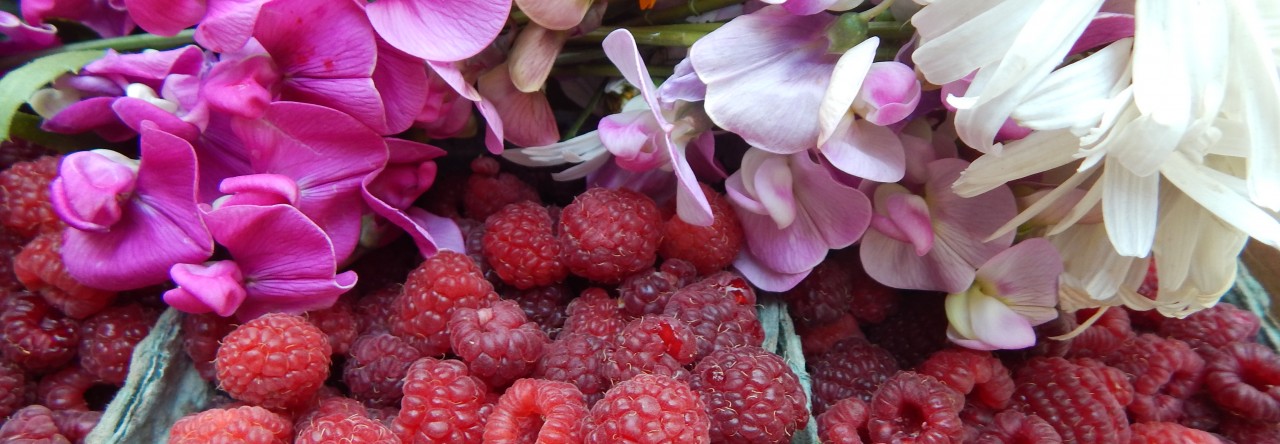
Fortunately, eating freshly harvested produce is easy. A walk through the garden has you snapping off a peapod here, grabbing a cherry tomato there, and collecting a handful of raspberries that you pop straight into your mouth. But grazing is just the beginning. This blog already offers some of my favorite fresh recipes for asparagus, corn, and zucchini and tomatoes. The key to making these fresh-tasting dishes is knowing when and how to pluck the choicest edibles.
Read more about enjoying garden-fresh favorites

Refrigerator Pickles

I don’t advocate small-batch canning, but I am a fan of quick and easy pickling that fills your refrigerator one jar at a time. If your only experience with pickling is opening a store-bought jar, then refrigerator vinegar pickles will convert you to homemade. Even if you grew up in a household that put up shelves of pickled vegetables every summer, like I did, refrigerator pickles have surprising benefits.

The disadvantage of refrigerator pickles—that they aren’t sealed in heated jars and thus shelf stable—can be an advantage in freshness and crispness. Small-space gardeners or CSA members can put up a jar at a time as produce ripens. Even expansive gardeners can use fridge pickles to test new flavor combinations. Cucumbers are ideal refrigerator pickles, because they soften so quickly when heated. You should still only use pickling cucumbers; the thick-skinned slicing cucumbers you find in grocery stores and even lemon cucumbers are really only useful as fresh pickles. After years of pasteurizing summer squash, I’ve switched from the canner to the fridge to keep the pickles’ crunch.
Learn to make Cucumber Refrigerator Pickles and Cumin-Spiced Zucchini Refrigerator Pickles

Planning the Season

Seed catalogs have been arriving for weeks, making me think about planning the garden despite the 5 feet of new snow that buried our local mountains in the last few days. This past weekend only enhanced the spring fever: I led a workshop at the 2nd annual Free the Seeds event and was impressed by not just the four-digit turnout but also the number of booths, workshops, and talks. The local Farm Hands organization lists more than 110 farms, ranches, community gardens, farmers markets, and restaurants and grocers that emphasize local food for a county with a population of under 100,000; nationally, the U.S. Department of Agriculture’s most recent survey found that 167,000 U.S. farms locally produced and sold food through farmers markets, on-farm sales, and other direct farmer-to-eater sales.

This means that no matter where you live, it should be possible to grow or purchase locally grown food and use it in Twice as Tasty recipes. Now’s the time to start thinking about what you want to grow in your new garden, add to your existing plot, or ensure will be delivered by your community-supported agriculture (CSA) farmer.
Read more about planning the season

Quick Breads

As a kid, I loved the shape of muffins; breaking the cap from the base was my version of twisting open an Oreo. These days, I prefer quick breads for one reason: the freezer. A stack of zucchini, pumpkin, banana, and cranberry breads takes up far less space than the same four batches of muffins. Besides, toasting is the only way to reheat; a microwave is just not the tool for defrosting baked treats. If you have a toaster oven (which I recommend for many reasons), there’s no bread vs. muffin argument. But if you’re a traditional toaster owner—well, you can imagine the mess of slicing a frozen muffin to fit.

Fortunately, you can easily convert your favorite muffin recipe to a loaf: They’re the same product, just in different pans. Even better, you can base them on a ratio and change the flavors to match your mood or the season. Learn to make Ratio Quick Bread and Quick Cranberry Bread

Sweet Peppers

My love for grilled flavor in frozen and canned vegetables grew from a love of freshly grilled garden goodies. Long before the technique became essential for frozen eggplant puree and jars of pasta sauce and tomatillo salsa, we were grilling vegetables and immediately stuffing them into our mouths.

Although the grilled food I encountered as a kid was mainly meat, one summer treat at the family home consisted of sticks of shish kebabs. Unlike the traditional Middle Eastern meat sticks, these were mainly veg. Perhaps it was just a ploy to get little girls to eat vegetables: let them choose food to thread on sticks and spin on the grill grate until charred. I’m pretty sure my early choices were black olives, potato, and pineapple, but I eventually developed a taste for anything cooked over coals. I still rely on a version of my mom’s marinade—and grill an extra bell pepper for the next day’s munchies. Learn to make Shish Kebabs with Garlic–Soy Marinade and Corn, Bean, and Pepper Salsa

Zucchini

Zucchini and yellow summer squash—if you don’t grow it, you’re bound to know someone who does. It’s as versatile as it is prolific: grilled, baked, pickled, fried, sautéed—the list goes on.

But besides pickling it, how do you save it? Grate and freeze is my choice: you won’t want to feature it on a plate, but it can be used in a range of recipes year-round. Grating is particularly ideal for zukes that seem to go from inches to feet long overnight. The recipes here use fresh ingredients for a light in-season meal featuring zucchini pancakes and cucumber-and-tomato salad. You can as easily adapt it for winter using frozen produce and different preserved accompaniments. Learn to make Zucchini Pancakes and Fresh Asian Salad