Flavors of Fall

Even though September means hours of putting up homegrown food, much of the garden will offer portions suitable for fresh meals. Learn more at TwiceasTasty.com.
Of all the growing months, September holds the garden’s greatest bounty. I’ll harvest the widest variety of produce over the next few weeks, some of it from plants that are in their prime but much of it from those that are yielding their final offerings. In my garden, many plants will release preservable quantities this month, including nightshades, cucumbers, squash, and if a frost hits before the month’s end, apples. Plums and pears will be the only new arrivals, but they’ll all be ready at once.

Even though I spend plenty of hours in September putting up homegrown food, much of the garden will offer portions suitable for fresh meals. Broccoli and even asparagus are still putting out a handful or two of new shoots at a time. Corn and snap beans just passed their peak but will continue to give up enough for immediate use. Cherry tomato and basil plants will keep reminding me of summer even as the days shorten and cool. So I’m taking a break from sharing canning recipes this month to pass on some of my favorite ways to savor the flavors of fall.
Read more about the flavors of fall

Eating Well Outdoors

When I plan an outdoor adventure, I start with what’s in my garden. Learn more at TwiceasTasty.com.
I divide my summer free time fairly evenly between gardens and sailboats. But before I became hooked on sailing, I spent many summer days in hiking boots. I returned to those on-foot adventures last weekend, spending 3 days in Glacier National Park covering 19 miles while climbing and then descending 4,500 feet.

Besides a return to gorgeous vistas and sore muscles, the weekend brought me back to the enjoyment of eating well even at 6,000 feet. I’ve always been convinced that meals out of a pack, kayak, canoe, car, camper, or sailboat don’t have to feature Ramen, instant rice, or even ever-improving yet increasingly expensive pouches of freeze-dried dishes. When I plan an outdoor adventure, I start with what’s in my garden and how I can bring it fresh, dehydrate it, or otherwise process it so that it can be incorporated into a woodland, mountain, or ocean meal plan.
Read more about eating well outdoors

Classic Zucchini

My mom tried every way she could think of to feed us zucchini. I still rely on her classic and newer recipes. Get zucchini recipes at TwiceasTasty.com.
As I was growing up, my mom tried every way she could think of to feed us zucchini. My dad always planted several hills, plus a couple extra in case one failed, and Mom found endless ways to sneak it into dishes once the crop started coming in. Chocolate zucchini cake was her favorite way to disguise the squash: the texture gave it away, but that didn’t stop us from reaching for a slice. She also processed it as pickles, relish, and even salsa.

My favorite way to save zucchini today is grated and frozen for pancakes and quick bread. But if you’re short on freezer space, pickled zucchini becomes far more attractive. The year before I was born, my great-aunt Verle gave my mom a classic zucchini relish recipe that Mom made for decades. She claims we liked it even better than Cucumber Relish. Zuke relish doesn’t stand out in my memories, but I loved relish as a kid, so I must have been eating a lot of these jars. It’s stood the test of time; my great-aunt’s original recipe required only minor tweaks to match today’s safe-canning standards.
Learn to make Zucchini Relish and Bread-and-Butter Zucchini Refrigerator Pickles

Classic Pickles

I’ve learned many tricks for keeping classic cucumber pickles crisp—and to set aside extra cukes for relish. Get pickling recipes at TwiceasTasty.com.
Dill pickles fit the “classic” category on so many levels. They have a long history among home canners, and in my home in particular. While my mom boiled vinegar brine and tended the canning kettle, my sister and I were given the job of packing whole cucumbers into quart jars because we had small hands. Weeks later, I’d start pulling jars from the packed shelves to munch on the crisp, sour vegetables.

Since I first learned to can pickles, I’ve found many tricks for keeping cucumbers crisp throughout the heated processing that lets you store them on shelves at room temperature. My mom always added grape leaves from our homegrown vines, harnessing their tannins to help keep the cukes crisp; I found horseradish leaves have the same effect. I’ve also started pasteurizing the jars instead of dropping them into a boiling water bath. Pasteurizing takes a little more time at my altitude, but the lower temperature still gives a crunchier pickle. Set aside any cucumbers that are blemished or won’t squeeze into the jars for relish.
Learn to make Processed Cucumber Dill Pickles and Cucumber Relish

Classic Jams

I’ve turned from my mom’s classic recipes to more fruit-forward jams. Get homemade jam recipes at TwiceasTasty.com.
As a kid, jam making dominated the summer berry and fruit season. My dad grew much of the fruit: rows of strawberries ripened not long after school let out, and raspberries, boysenberries, and loganberries, which my dad started with cuttings from my grandfather’s vines, came on midsummer. Raspberries were always my favorite: I learned from my mom to fill small canning jars with fresh berries using a classic recipe straight out of the Ball Blue Book, with fruit, lemon juice, powdered pectin, and lots of sugar.

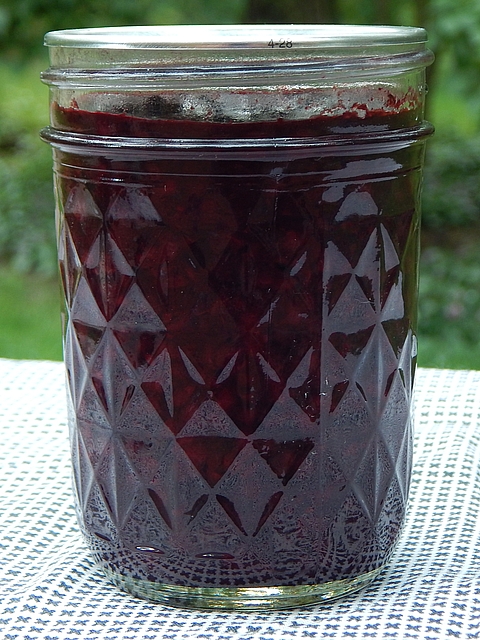
That last bit is the reason I’ve turned from my childhood recipes to updated versions using Pomona’s Universal Pectin whenever I want to can any jam with added pectin. It jells with little or no sweetener and is vegan (it’s extracted from citrus peel and activated by calcium). You can get about four batches instead of the usual one from each box of pectin, and although you risk a softer set, I’ve successfully cooked multiple batches at once. The first jam I ever made with it, more than 10 years ago and using a blend of berries, is still one of my favorites. I soon followed it with a version using my favorite sour cherries.
Learn to make Tart Berry Jam and Sour Cherry Jam

Canning Classics

I’m turning back the clock to classic canning recipes and my first steps in improving upon them. Learn more at TwiceasTasty.com.
In looking back over the last 3 years of Twice as Tasty recipes, I realized there’s a gap in my story of home canning and other adventures in the kitchen. A lot of people have been asking for this story lately, usually phrased as “How did you get started making all of this?” I respond with my childhood food memories: gardening with my dad, canning with my mom, baking with my grandma, berry picking with my sister.

I’ve shared a few family recipes on the blog, but with canning in particular I’ve skipped over the recipes that got me hooked on home-canned food, jumping straight to those I love today. These newer recipes tend to be more complex in flavor and sometimes technique than the jars that filled my childhood and first adult canning cupboards. They’re worth every minute of extra effort. But this month I’ll turn back the clock to some classic flavors and my first steps in improving upon them.
Read more about classic canning recipes

One Prep, Two Meals: Couscous

Quick meals don’t get any easier than boiling water, pouring it over couscous, and adding fresh veg and canned beans. Get couscous recipes at TwiceasTasty.com.
Hopefully you’ve been inspired by all of this month’s recipes to look beyond leftovers and use the one prep–two meals formula. If couscous isn’t a staple in your pantry, this week’s post may surprise you as much as risotto did last week. But once you try these recipes, you’ll stock up on couscous for plenty of quick, easy meals. Just as fresh pasta outshines dried in any meal, instant couscous can’t compete with semolina grains steamed in stages in a couscoussière. But for quick meals at home, in the woods, or on the water, it doesn’t get any easier than boiling water and pouring it over the couscous. Add some fresh veg and canned beans, and you have lunch and dinner ready in a snap.

Speed and ease are just two of the beauties of the recipes you’ll find here. As I shared with more than a dozen sailors in a workshop this week, the two recipes here can spawn many days of meals cooked in a galley or over a camp stove and grill: I always travel with several heads of preroasted garlic to serve on grilled pizza, sandwiches, and other meals. The extra half-batch of chermoula can be used as a shrimp marinade. Bonus cans of chickpeas can be mashed into hummus. Extra veg can be grilled or sliced for dinner sides or between-meal snacks. And homemade feta disappears so quickly into hungry mouths you could never travel with too much.
Learn to make Vegetable Couscous with Chickpeas and Feta and Couscous Salad with Raw Vegetables

One Prep, Two Meals: Risotto

Make-ahead risotto rice holds a regular slot on my dinner menu. Get risotto recipes at TwiceasTasty.com.
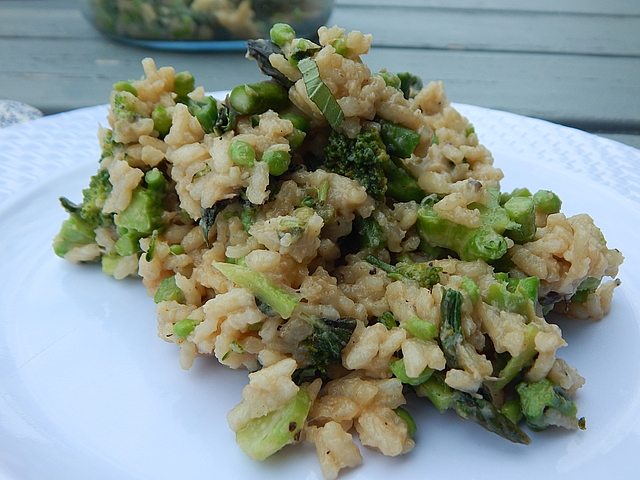
Risotto may seem like an unlikely candidate for the one prep–two meals formula: it has a reputation as a fancy meal that requires time and special care. But if you keep the right rice on hand and understand the basic technique, it simply becomes another fabulous way to stretch leftovers—and impress your friends at the same time.

These recipes build on the ratios given in Fresh Improv Risotto. So if you’ve already made versions of that recipe, or participated in one of my risotto workshops, familiarity will make your meals come together quite quickly. If you have yet to experiment with risotto, follow the recipes here and then check out the improv post for other risotto ingredient ideas.
Learn to make Garden Risotto and Last-Minute Shrimp Risotto

One Prep, Two Meals: Fish

 A bit of extra prep one night means you can have a second meal ready to grab and go. Get fish recipes at TwiceasTasty.com.
Photograph by Brenda Ahearn Photography

If we’re lucky, Monday nights are free nights in summer: we are home and can prepare and enjoy a meal without other obligations or projects. It’s the one night of the week that I might make a more labor-intensive meal, like fish cakes. But I always know Tuesday will be a picnic before racing sailboats, and a bit of extra prep Monday night means I have a second meal ready to grab and go.

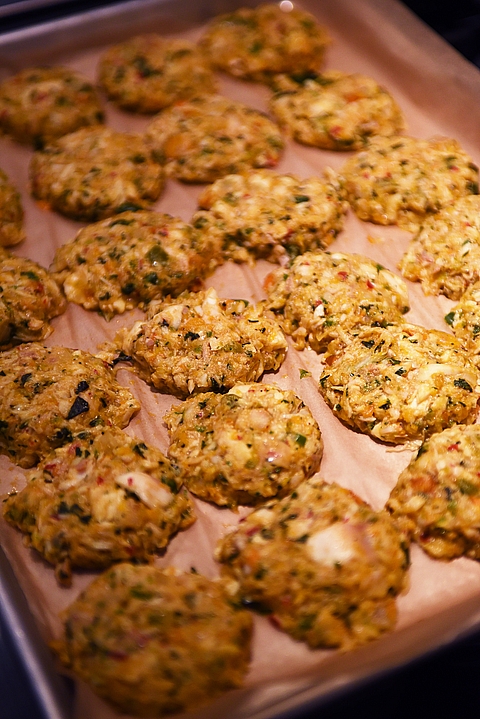
These fish cakes call for some chopping and mincing and two stages of cooking, but they’re worth the effort. The first time I served batches at a house concert, the host said I could have made three times the amount and the platter would be emptied. They’re less greasy than fried fish cakes and more flavorful than potato-based ones. The recipe here easily serves 4, which means I can reheat the leftovers later in the week. To avoid eating the same meal two nights in a row, I set some fish aside and prep a marinade and the extra vegetables while the fish cakes are cooking. On Tuesday, grilled skewers require minimal effort.
Learn to make Mediterranean Fish Cakes and Grilled Fish Skewers

One Prep, Two Meals

One of my busy summer tricks is to prep once and eat twice. Learn more at TwiceasTasty.com.
In my corner of northwest Montana, July 4 is the unofficial start to tourist season. The University of Montana’s Institute for Tourism and Recreation Research reported that more than 2.4 million people visited Montana last July—more than double the state’s population—and that half of those visitors entered Glacier National Park, Yellowstone, and a long list of other stops. Those numbers downshift quickly: By October, there are again more residents than visitors in the state.

Like these tourists, I try to cram as much as possible into this short summer season, both in the garden and on a sailboat. I’m harvesting and processing at least 3 times a week and sailing just as often. This requires some intensive scheduling and as many shortcuts in the kitchen as possible.

One of my key tricks is to prep once and eat twice. I’m not just talking leftovers, although I make plenty of oversize meals to reheat later in the week. Instead, my “one prep, two meals” plan creates two separate meals from similar base ingredients and freshens them with new flavors. It’s the easiest way I know of to avoid feeling like you’re eating the same meal day after day yet speed up later-meal processes.
Read more about one prep for two meals