Cooking Eggs

To put it simply: Testing cookware by cooking eggs is fun. Get cooked egg recipes at TwiceasTasty.com.
I have to admit that I’m one of those people who holds onto cookware way too long. After pots are scratched, warped, and showing their age by letting even the simplest foods adhere to their surface, I continue to use them. Replacing cookware, especially a high-quality set, is expensive. So I’ve been excited to set out on a quest for the perfect cookware.

Eggs in many forms are ideal test recipes. They can be delicate yet prone to burning or sticking. They cook quickly, so they’re speedy, easy meals. This time of year, the chickens are laying prolifically. Most egg dishes don’t require a recipe, and many styles can be created just by cracking a fresh egg into a hot pan. But some call for a bit of technique, including endless variations on omelets.
Learn to make A Three-Egg Omelet and other cooked eggs

Spiced Shrimp

 By changing the tang, two similarly spiced dishes taste completely different yet complement each other beautifully. Get spiced shrimp recipes at TwiceasTasty.com.
Like last week’s spiced potatoes, shrimp play well with so many flavors—including Indian spices. You could simply turn that potato recipe into a shrimp dish, cooking the sauce first and adding the shrimp at the end. But if you want to serve shrimp and potatoes together, it’s more fun to vary the flavors.

I like to do that by changing the tang. Last week’s potato dish picks up tang from pickle brine, tomatoes, and as an optional bonus, tamarind. This week’s shrimp dish grabs it from yogurt. I get more flavor from homemade yogurt, but store-bought also works. With that flavor shift, you can rely on the same spice base. A little onion, garlic, and ginger just enhances the base.

In the end, two similarly spiced dishes taste completely different yet complement each other beautifully. The same concepts can be applied to many other spiced shrimp dishes, letting you use your pantry power to put sunshine on your table even when you’re snowed in.
Learn to make Indian-Inspired Shrimp in Yogurt and other variations

Spiced Potatoes

Potatoes readily absorb anything you add to them, making them perfect vehicles for all sorts of spices. Get potato recipes at TwiceasTasty.com.
We grow and eat lots of potatoes, especially ones we’ve stored for winter: waxy reds and bright purples ideal for salads, starchier white varieties I use in gnocchi, and yellow potatoes that go into soups, curries, mashers—really, almost anything. Each variety tastes subtly different, but all readily absorb any flavor you add to them, making them perfect vehicles for all sorts of spices.

I often bring potatoes when teaching Twice as Tasty Indian Spices workshops, but we keep the workshop recipes simple so that the participants’ newly created spice blends can shine. At home, I sometimes reach for a homemade masala but just as often grab separate ground or whole spices. Because I’m generally rich in pickle brine, that often lands in my potato dishes for a sweet-and-sour effect. Keep reading after the recipe for more flavoring ideas.
Learn to make Indian-Inspired Sweet-and-Sour Potatoes and other variations

Oatmeal Cookies

I think oatmeal cookie should pack as much flavor as possible into each bite. Get cookie recipes at TwiceasTasty.com.
Have you ever eaten an oatmeal cookie that tastes like overly sweet yet bland hot cereal? I have. So when I set out to create oatmeal cookie recipes, I wanted to pack as much flavor as possible into each bite. If the ingredient lists for this week’s recipes seem long, it’s intentional: Good cookies contain layers of flavors and textures.

I started by thinking about how to bring out the best flavor from the rolled oats. As I’ve shared elsewhere, I’ve never been a fan of plain oatmeal and instead mix several grains into my hot cereal and granola blends. But cookies bake so quickly that some grains don’t have time to soften. So I stuck with rolled oats (never instant) and used browned butter to boost the nutty flavor of the cookies—all without actually adding nuts.

Several blends build on this base layer of flavor and texture. Blending white and whole-wheat flours balances the oat flakes. Using baking soda and baking powder gives cookies Goldilocks cred—not too flat, not too tall. Blending spices or using smoky salt deepens their flavor. Finally, combining sweeteners enhances flavor and hits the happy medium between too chewy and too crispy.

If you have a cookie craving and limited supplies, you can replace these blends with all-purpose flour, baking powder, cinnamon and regular salt, and white sugar. If you’re in a rush, just cream room-temperature butter instead of browning it. Try simplifying each recipe sometime as an experiment: You’ll still make cookies, but they’ll taste a little one-dimensional.
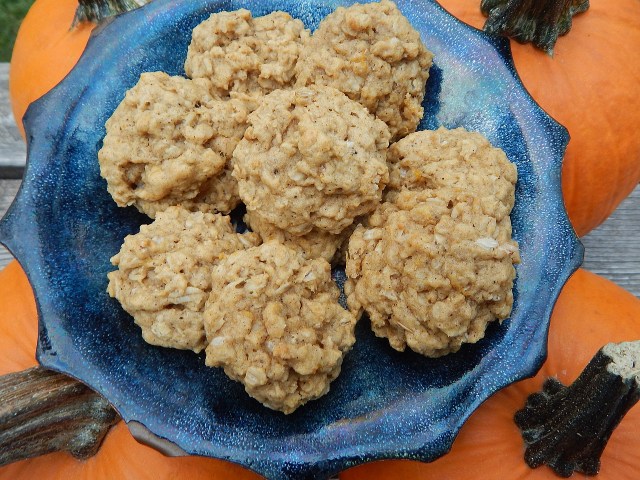
Learn to make Smoky Oatmeal–Cranberry Cookies and Oatmeal–Pumpkin Cookies

Pear Desserts

Pears work well in simple, forgiving desserts, like a freeform pastry. Get pear recipes at TwiceasTasty.com.
If you’re harvesting your final homegrown melons of the year or just starting your growing season in the Southern Hemisphere, you likely got excited about last week’s watermelon treats. But if you’re in fall harvest mode, late-season fruits are likely dominating your table. These can be just as tasty in sweet treats as melons and berries and can be used in just as many ways.

I turn many fall fruits into canned goods we can savor and share all year, such as jams, marmalades, fruit butters, and of course Grandma Tiny’s Chunky Applesauce. For everyday eating, I turn to semisweet baked goods that last several days in the fridge or can be frozen and enjoyed in small doses, such as Quick Cranberry Bread and Double Apple Muffins. For a special treat amid fall harvest overload, pears work well in simple, forgiving desserts, like a freeform pastry.
Learn to make Pear and Goat Cheese Galette and other desserts with pears

Watermelon Treats

Melons’ natural sweetness and juiciness make them ideal for refreshing desserts. Get watermelon recipes at TwiceasTasty.com.
It looks like today could be the last 80°F day of the season in my area, so it’s the best time to enjoy a refreshing, cold, fruity dessert. Watermelon are still available in the local markets, and homegrown ones are still ripening on the vine. They won’t last much longer in the shops or the greenhouse.

Melons may not be the first fruits you think of when you consider a dessert; apples, strawberries, raspberries, and huckleberries are all more likely candidates. But melons have the advantage of pairing their natural sweetness with a satisfyingly slurpy moisture, making them ideal for refreshing desserts. Throw in some fresh herbs for bright, contrasting notes, and you’ll successfully capture the feel of summer in a bowl or glass. Better yet, your freezer and refrigerator will let you hold onto that feeling long after temperatures have dropped.
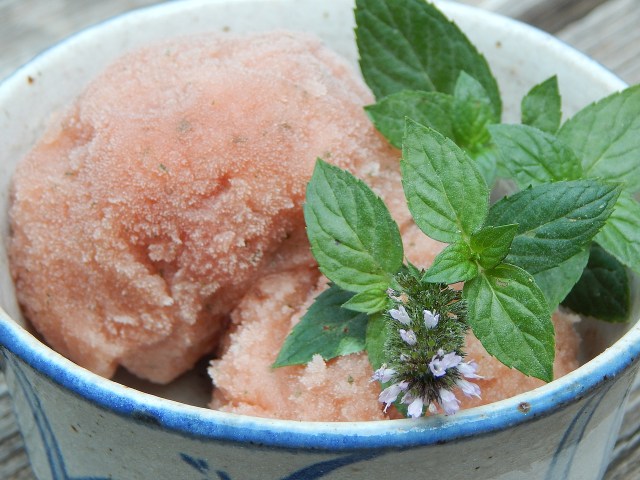
Learn to make Watermelon–Mint Sorbet and Watermelon–Basil Shrub

One Prep, Two Meals: Grilled Peppers

Grilled peppers upgrade many quick, easy meals. Get one prep, two meal recipes at TwiceasTasty.com.
If you search through the blog’s recipe index, it quickly becomes obvious that grilling and smoking are my favorite ways to prepare peppers. Sure, raw peppers add a crisp, sweet flavor to everything from salads to summer rolls. But quickly cut free their cores and place them on a hot grill, and you have an immediate upgrade to salsas, sauces, kebabs, black bean burgers, and even canning projects. Set them on a grill over low heat and smoking woodchips, and you can smoke chilies until they are dry enough to store for winter use or just enough to puree them into my favorite chili paste.

For many of these uses, I’m grilling bumper crops of peppers until I run out of coals. But you can enjoy the same intense flavor with just a pepper or two for a weeknight meal. Better yet, make room for just a little extra veg and you can prep two meals at once. I lean toward pasta on the grilling night: I multitask by cooking the pasta while I’m prepping or monitoring the grill, and then I make a creamy sauce base while I’m waiting for the peppers to cool enough to peel. The next night, all I need to do is chop up the grilled veg before stirring it into batter for savory pancakes.
Learn to make Creamy Grilled Bell Pepper Pasta and Grilled Pepper Pancakes with Goat Cheese

Strawberries

This month I’m drinking my dessert and eating it too. Get cocktail and dessert recipes at TwiceasTasty.com.
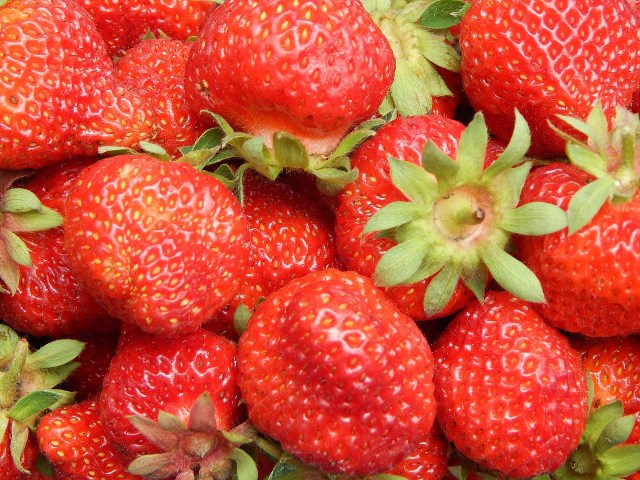
If you follow Twice as Tasty on Instagram or Facebook, you won’t be surprised by the topic for this week’s blog post. That photo I shared of Monday’s strawberry harvest from the garden surpassed 12 pounds. No wonder I was tired of picking them by the time I was finished.

Most of those berries will end up as syrup, because it tops my sister’s Christmas wish list every year. As a bonus, I get to keep the roasted fruit solids, turning some into jam and simply freezing the rest in ice-cube trays to drop into smoothies and hot cereal next winter. Some of the fresh ones have already been gobbled up on my morning granola with Fresh Yogurt and my daily salads. But I couldn’t resist baking some into a Twice as Tasty birthday dessert.

I must admit: my fruit-syrup-loving sibling is also the dessert fiend, and I tend to drink my “special treats.” So last week’s post featuring Bourbon-Infused Smoked Cherries appears more often on the “dessert” menu from my kitchen than cakes and cookies. But for birthday month, you can have all the dessert you want, right? So this month I’m drinking my dessert and eating it too—as a simple yet delicious strawberry pudding cake, or clafouti.
Learn to make clafouti with strawberries and other fruit

Spring Greens

Hearty spring greens are delicious raw but can stand some heat. Get spring green recipes at TwiceasTasty.com.
Even in my cold mountain climate, harvesting from the garden has begun. After a winter of eating home-preserved food, I’m ready to start savoring fresh produce in my meals—and of course squirrel away tasty morsels for next season.

In our current social climate, this may be the first time you’re growing your own food, focusing on eating locally grown food, and thinking of saving your harvest for future enjoyment. If so, welcome to the club! You’ll find various ways to eat and preserve many delicious foods on the blog. I’m also continuing my sourdough starter giveaway all month for those who want to enjoy freshly baked bread with their garden goodies. In this post, I highlight some of my favorite early garden treats: spring greens.
Learn to make spring green meals and Wilted Arugula Pasta

Buckwheat

I’ve found many reasons to love buckwheat: it’s gluten free, packed with protein, and easy to prepare. Get buckwheat recipes at TwiceasTasty.com.
My first memorable encounters with buckwheat groats were in Russia. In the United States, roasted buckwheat groats are typically sold as “kasha,” but in Russia, all the каша I ate as a hot breakfast cereal was a mix of grains. My Russian friends tended to cook buckwheat on its own—traditionally in an oven until it softened to a porridge—and serve it as a savory meal more than a sweet one.

I’ve since found many reasons to love buckwheat. Despite its name in English, it’s not a type of wheat: it’s actually a gluten-free seed in the same plant family as rhubarb. So if wheat isn’t on your diet, buckwheat is your friend. Unlike some gluten-free grains, it’s packed with protein and amino acids. Soaking it removes some of its phytic acid, which can make it easier to digest. A presoak also speeds up the cooking process—instead of a slow bake in a low-temp oven, you can have it ready from the stovetop in 5 minutes for a modern take on каша сименуха, a traditional Russian breakfast, or for an easy dinner with roasted vegetables.
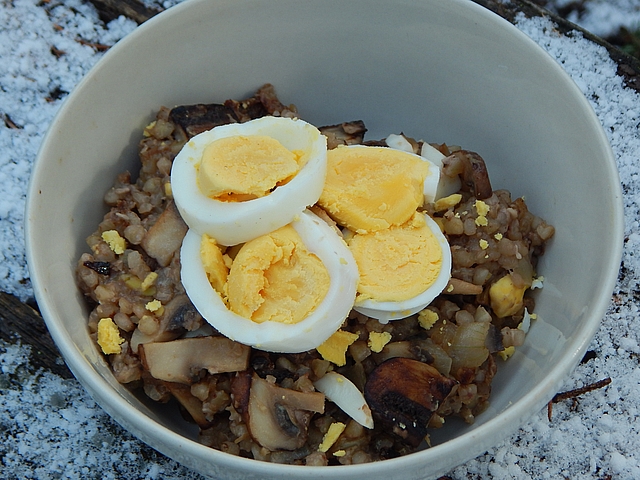
Learn to make Buckwheat Porridge with Mushrooms and Eggs and Roasted Vegetables with Tofu and Buckwheat