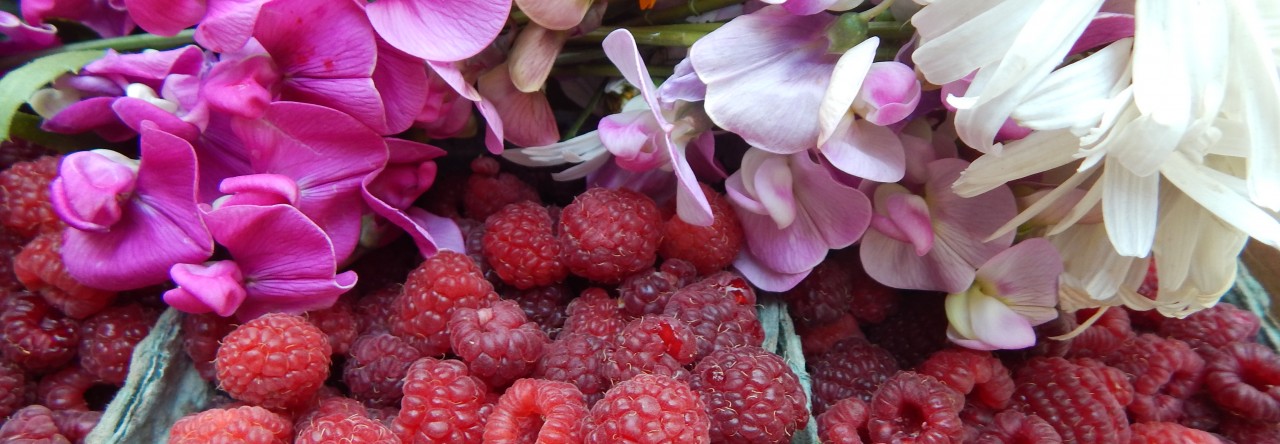

Can you believe that just 1 year ago I announced the release of my cookbook, The Complete Guide to Pickling? More than 6,000 copies have sold over the last year, and I’ve received such amazing feedback from readers. I’m particularly thrilled that I can continue to share some of my favorite recipes from the 125-strong collection. Thanks to Clean Plates, you can now learn more about—and how to make—my Cultured Curtido (Cabbage Slaw) recipe.
Learn to make fermented and quick curtido
Tag: pickle that
Preserving Onions
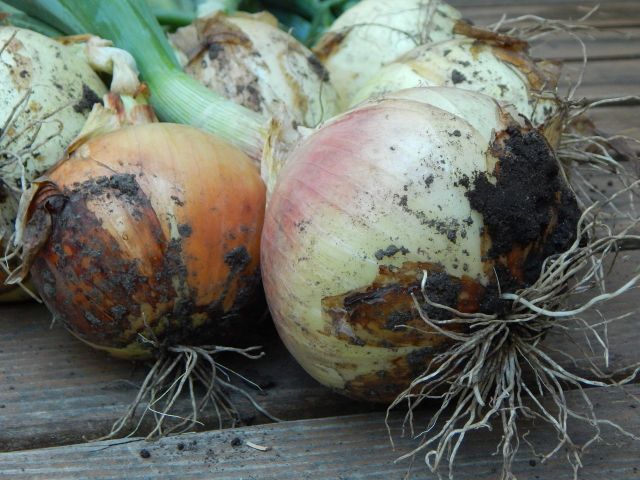
Until I wrote the The Complete Guide to Pickling, I rarely pickled onions on their own. I dropped slices into other pickle jars, from refrigerator zucchini to canned bread-and-butter cucumbers to fermented kimchi. They weren’t just garnish and always ended up on sandwiches or in breakfast potatoes. But I rarely devoted pantry or fridge space to jars of pickled onions.
Once I started creating just such onion-focused recipes for the cookbook, I couldn’t stop. There were so many fun variations, flavors, and uses. Now I’m simply making the book’s recipes for my own enjoyment, and if you open my fridge today—you’ll find plenty of onion pickles.
Read more about preserving onions and learn to make Apple-Sweetened Yellow Onions
Preserving Chilies

Just like the cabbage I wrote about last week, chilies feature heavily in my pickling cookbook, The Complete Guide to Pickling. I pickle and preserve them on their own in recipes ranging from Beer-Pickled Jalapenos to Spicy Vinegar and from quick-pickled Chile Rings to fermented hot sauces. I also drop them into many of the savory pickles in the book and even a few of the sweeter ones, like Jerk-Spiced Banana Pickles.
Do I preserve so many chilies because we grow more than 40 pepper plants every year, or do we grow that many plants so I have boxes of chilies? It’s hard to say, but at least half of our homegrown peppers carry a mild to a fiery heat. Jalapenos and poblanos take up much of the hoop house space, but I bump up the Scoville scale with serranos, bird’s eye chilies, habaneros, and cayenne peppers.
The mix varies each year—as does the quality and size of the harvest. After buying and pickling pepperoncini to test for a new recipe for the cookbook, I grew some of these mild chilies for the first time last year. They started turning red when they were smaller than my thumb, so I pickled them in pint jars. This year, a plant from Swan River Gardens has grown taller than the cherry tomato cages and produced peppers longer than my index finger. Two half-gallon jars are stuffed full in my fridge, and more peppers are ready to harvest.
Read more about preserving chilies and learn to make Sambal Oelek (Chile Paste)
Preserving Cabbage
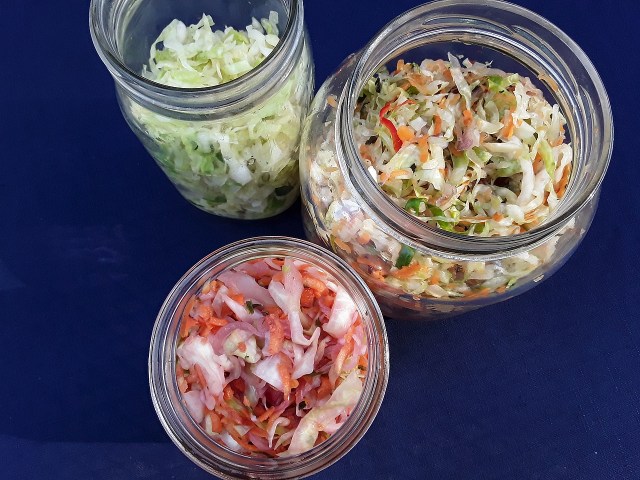
When Americans think of pickled foods, they often start with two vegetables: cucumbers and cabbage. For both types, the options extend far beyond basic dill slices and sauerkraut. I included 11 cucumber and 7 cabbage pickles in The Complete Guide to Pickling, ranging from quick pickles to relishes to ferments.
In the cabbage category, curtido has become one of my favorites. This pickled cabbage slaw originated in El Salvador and typically combines cabbage, onion, and oregano, sometimes adding other flavors like carrot, chili, garlic, lime, and cilantro. It comes together in just 20 minutes, but letting it sit in salt for a couple of hours to draw out the vegetables’ natural liquid keeps the mixture from becoming watery. After it sits another 6 hours, the curtido is ready to eat—but it keeps in the fridge for several weeks.
Read more about preserving cabbage and learn to make Eight-Hour Curtido
A Year of Pickles

It’s hard to believe that this time last year I was gearing up for the launch of my first cookbook, The Complete Guide to Pickling. The timeline of writing and publishing a book means that I spent September 2020 sitting on my hands, resisting the urge to share my favorite recipes from the book ahead of the sales schedule and Brenda Ahearn’s stunning photos from my side project, The Pickled Picnic recipe collection, before the cookbook’s release.
As the cookbook’s official on-sale and launch party dates approached, I shared a handful of recipes from the book and offered details on some helpful tools I’d discovered while working on the project. This year, I’m able to get a jump on sharing new recipes from the book while many of us are still in the heart of harvest season.
Sample recipes from The Complete Guide to Pickling
Pickled Eggs

Harvest is in full swing, which means my canning and fermenting supplies dominate my mudroom and my refrigerator is packed with produce waiting to be preserved. But after the successful launch of my pickling cookbook, The Complete Guide to Pickling, last fall, I’ve made time for some recipes that make minimal use of my homegrown produce, including pickled eggs.
We have a rich supply of eggs on the farm where I garden. As I created pickled egg recipes for my cookbook, I fell in love with the rich colors of brine-infused egg whites against bright orange yolks. Since then, I’ve been playing with all sorts of brines—reused from other pickles and made from scratch—to produce a range of colors and flavors.
Pickled eggs keep and travel well, and we’ve been eating them regularly all summer. They have become staples for multiday cruises aboard The Blue Mule, and they make a great post-yoga snack or grab-and-go breakfast with the garden’s latest berries. I’ve learned a few tricks along the way that will help you when making pickled eggs.
Learn to reuse pickle brine and make pickled eggs
Winding Down Year 5

2020 has been quite the year for us all. But fortunately, I can focus on positive changes for Twice as Tasty. Despite limits on in-person workshops and other live events, Twice as Tasty has grown and thrived this year, particularly with the publication of my first cookbook and its accompanying recipe collection. It feels fabulous to be able to reflect on happy developments and highlight good news in such a challenging year. Read on, and you’ll be smiling too, or skip down the page to read about the year to come.
Read more about what to expect in 2021
Storing Pickles

Now that you’re eager to or have successfully made pickles from the recipes in my new cookbook, The Complete Guide to Pickling, where and how should you store them? I talk briefly about pickle storage in the book, but several more tricks and tools will help you keep your pickled foods fresh and crisp.
As I mentioned in my post about pickling hacks earlier this month, you need two basic tools to make and store pickles: a container and a way to cover it. To ensure your pickles and their container stay clean and fresh, inside and out, choose nonreactive containers and lids—in other words, ones made of glass, stainless steel, food-grade plastic, or silicone.
Sure, you can cap your pickles with old metal mayonnaise lids or reuse tin-plated canning lids and rings; I did this, and recommended this repurposing, for years. But both will rust and break down over time as the acid in the pickle brine eats away at them, leaving an unattractive sticky mess around the jar threads, on your refrigerator shelves, and even potentially on the underside of the lid, where it can flake down into the food. Instead, I now save those old lids for dry storage and have switched to nonreactive options for high-acid foods.
Read more about storing pickles
Fermenting Tools

When I was testing tools for The Complete Guide to Pickling, I had the most fun with tools for fermentation. Until I started writing the book, I had mostly fermented using tools and equipment already in my kitchen, relying on zip-close bags, small glass jars, and airlocks cobbled together with old canning lids. But when I realized I would be including more than 30 fermented recipes in the book, it was time to research and test some fermenting tools.
The surge of interested in fermented foods has opened opportunities for companies and entrepreneurs to present tools designed to make fermentation easy, manageable, and trouble free. Some of those companies were willing to send me their products to test as I created the recipes in the book.
My main takeaway was this: If you catch the fermentation bug, it’s worth investing in some tools. To create a healthy fermentation, you must keep the food submerged in the brine. You’ll get the best results if you can also limit airflow. Here are some of my favorite tools to help with both.
Read more about fermenting tools
Canning Tools for Picklers
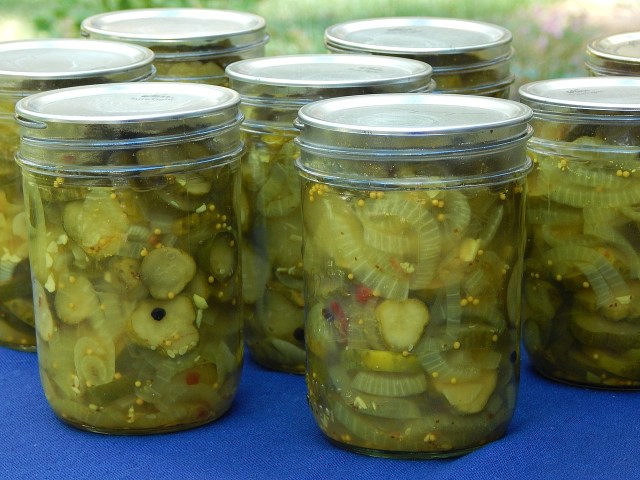
Start making pickles, and you may quickly run out of refrigerator space. But don’t let that slow you down. Instead, consider canning your pickles.
As I explain in the opening chapter of my new book, The Complete Guide to Pickling, space is the primary reason I process pickles. Many pickles taste better and stay crisper, and fermented ones keep their probiotic goodness, when you don’t subject them to a boiling water bath. But some pickles hold up well to high heat, including beets, snap beans, and (when handled properly) cucumbers. Other pickled foods are ideal for canning, including many of the chutneys, sauces, relishes, and sauces in my book.
If you already can jams, jellies, and fruit in a boiling water bath, you likely have everything you need in your kitchen to can pickles. But if you’re new to canning or have been using some tool hacks to process your jars, a few tools will make your home canning easier, safer, and more reliable.
Read more about canning tools for picklers
