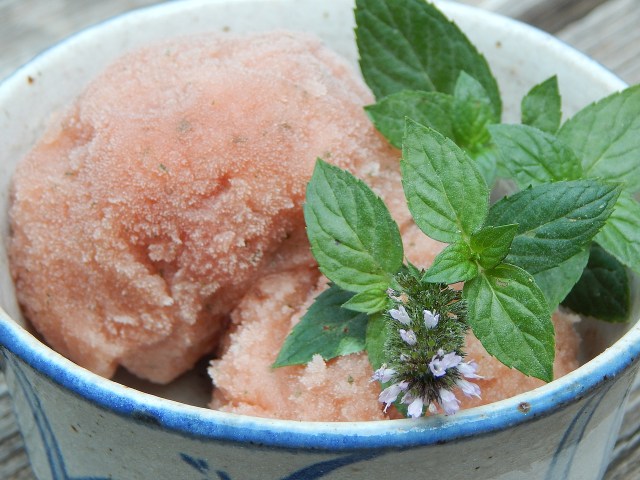
Watermelon Treats

Melons’ natural sweetness and juiciness make them ideal for refreshing desserts. Get watermelon recipes at TwiceasTasty.com.
It looks like today could be the last 80°F day of the season in my area, so it’s the best time to enjoy a refreshing, cold, fruity dessert. Watermelon are still available in the local markets, and homegrown ones are still ripening on the vine. They won’t last much longer in the shops or the greenhouse.

Melons may not be the first fruits you think of when you consider a dessert; apples, strawberries, raspberries, and huckleberries are all more likely candidates. But melons have the advantage of pairing their natural sweetness with a satisfyingly slurpy moisture, making them ideal for refreshing desserts. Throw in some fresh herbs for bright, contrasting notes, and you’ll successfully capture the feel of summer in a bowl or glass. Better yet, your freezer and refrigerator will let you hold onto that feeling long after temperatures have dropped.
Learn to make Watermelon–Mint Sorbet and Watermelon–Basil Shrub

Coffee Cake

The name “coffee cake” says it all: you’re making a cake but have an excuse to eat it before 10 am. Get coffee cake recipes at TwiceasTasty.com.
Because I tend to enjoy sweet things more for breakfast than after-dinner dessert, coffee cake has always been high on my list. The name says it all: you’re making a cake but have an excuse to eat it in the morning.

Although the sugar and fat in granola and muffin recipes might be scaled down or up to make them healthier or more like candy or cupcakes, coffee cakes tend to be both sweet and buttery. They have far more sugar than your standard “sweet” breakfast fare, from a pinch in crepes, to molasses-sweetened Gingerbread Pancakes, to a few tablespoons in scones. So I save my longtime coffee cake favorites for special occasions, tweaking them where I can to cut back on the richness but mostly just enjoying every bite.

Learn to make Cinnamon Streusel Coffee Cake and Big Berry Coffee Cake

A Little Sweetness

Recipes with a little sweetness use what’s in season and in your pantry. Learn more at TwiceasTasty.com.
I’m going to keep this post short, because my mind is still buried in pickles and my forthcoming cookbook. You’ve been hearing about it vaguely for months, and official announcements, giveaways, launch party invites, and more are on their way to newsletter subscribers and blog followers in the coming weeks. (But since you’re reading this, you may want to check out the preorder page on Amazon.) And next month, I’ll be sharing recipes directly from the book.

In the meantime, I thought a break from pickles might be good for me—and you. So this month, I’ll be sharing some sweeter recipes that use what’s in season and in your pantry.
Read more about a little sweetness

Choosing Grilling Vegetables

This list of vegetable grilling choices will remind you of favorite options and inspire you to try new ones. Learn more at TwiceasTasty.com.
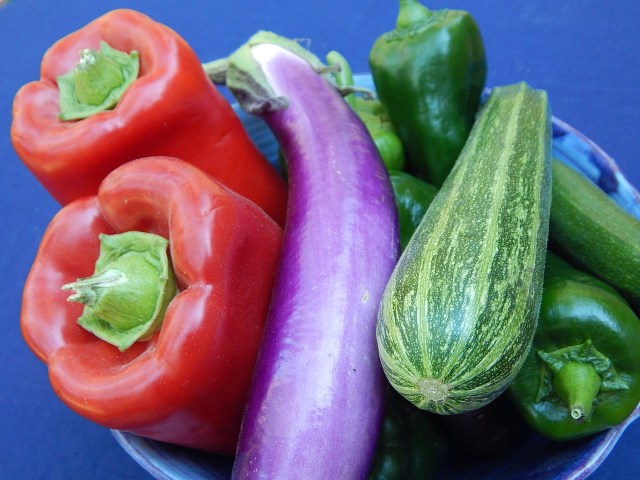
At the peak of harvest, the biggest challenge when firing up the grill is choosing what to put on it. Do I want to roast that basket of peppers or let them sit longer to develop more color? Should I work through those giant bowls of tomatoes and tomatillos? Did I harvest eggplant, or broccoli, or corn? Is there extra room for vegetables that will keep longer, like onions, beets, and garlic, but would be tasty tonight?

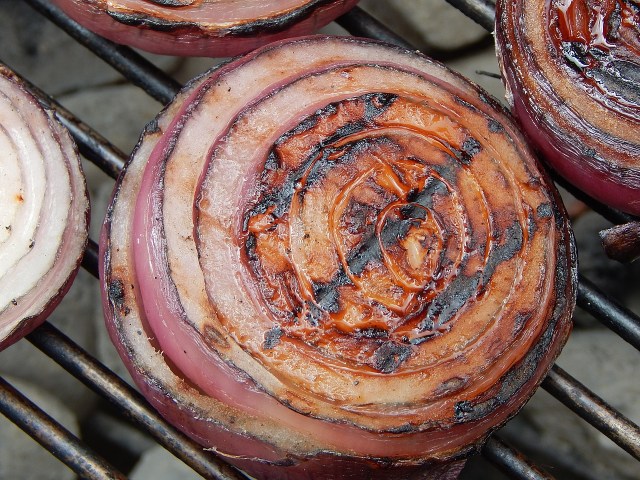
When the pace of harvest slows, the question often becomes, What can’t I put on the grill? The answer is surprisingly little. From fruit to breadsticks and pizza to fish, it all tastes delicious when cooked over coals. Vegetables by far make up my largest grilling category. Hopefully this list will remind you of favorite options and inspire you to try new ones.
Read more about choosing grilling veg

One Prep, Two Meals: Grilled Peppers

Grilled peppers upgrade many quick, easy meals. Get one prep, two meal recipes at TwiceasTasty.com.
If you search through the blog’s recipe index, it quickly becomes obvious that grilling and smoking are my favorite ways to prepare peppers. Sure, raw peppers add a crisp, sweet flavor to everything from salads to summer rolls. But quickly cut free their cores and place them on a hot grill, and you have an immediate upgrade to salsas, sauces, kebabs, black bean burgers, and even canning projects. Set them on a grill over low heat and smoking woodchips, and you can smoke chilies until they are dry enough to store for winter use or just enough to puree them into my favorite chili paste.

For many of these uses, I’m grilling bumper crops of peppers until I run out of coals. But you can enjoy the same intense flavor with just a pepper or two for a weeknight meal. Better yet, make room for just a little extra veg and you can prep two meals at once. I lean toward pasta on the grilling night: I multitask by cooking the pasta while I’m prepping or monitoring the grill, and then I make a creamy sauce base while I’m waiting for the peppers to cool enough to peel. The next night, all I need to do is chop up the grilled veg before stirring it into batter for savory pancakes.
Learn to make Creamy Grilled Bell Pepper Pasta and Grilled Pepper Pancakes with Goat Cheese

Fired Up

Cooking over fire is simple and adaptable for not just meats but also vegetables and fruit. Learn more at TwiceasTasty.com.
This time of year, I’m always fired up about preparing food on the grill. Just this last week, I was grilling sourdough pizza aboard the Blue Mule and smoking cherries to infuse in bourbon and to pickle. Although I throw plenty of more traditional foods on the grill, like shrimp and fish, I increasingly fill my beat-up Weber kettle grill with vegetables and fruit.

The Twice as Tasty collection of grilling and smoking recipes has grown large enough that I recently broke it into its own category on the Recipes page. But many preparations are so simple and adaptable that once you get the hang of how your grill or smoker handles produce, you’ll realize you don’t need a recipe and can use the tool to prepare multiple meals and even frozen or canned treats.
Read more about grilling and smoking your harvest

Prepare to Pickle

Pickling lets you extend the life of almost everything you grow. Learn more at TwiceasTasty.com.
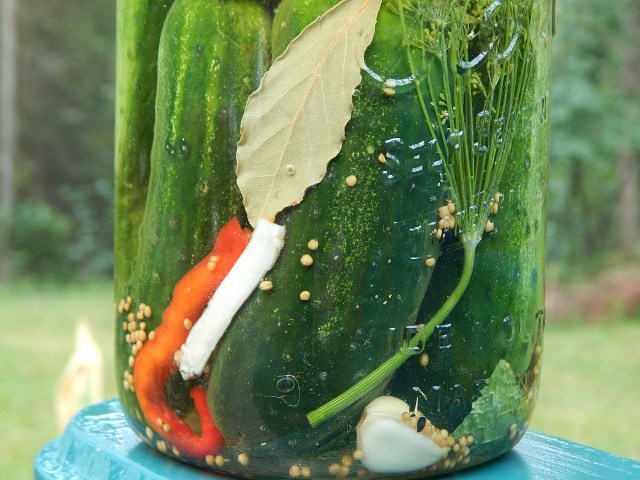
Pickling lets you extend the life of almost everything you grow. You can pickle and eat your creation quickly, or you can let the jars sit for weeks to slowly preserve and flavor the produce.

As I mentioned while describing the pros and cons of pickling, the process, whether using vinegar or salt brine, safely preserves low-acid foods and can be varied to incorporate your favorite flavors and the size of your harvest. Pickling is a preservation technique but not a storage one; you need to pair it with canning or refrigerating. Some tips and tricks will help you successfully make pickles.

Read more about preparing to pickle

Prepare to Can

You know you’re serious about preserving homegrown food when you start canning in your kitchen. Learn more at TwiceasTasty.com.
You know you’re serious about preserving homegrown food when you start canning in your kitchen. As summer temperatures peak and the garden explodes, canning supplies take up semipermanent residence on the kitchen counter, and many evenings feature the “ping” of sealing jars.

As I mentioned while describing the pros and cons of canning, it’s a time-consuming process with must-follow rules and specialized tools. That’s part of why I’m such a fan of canning large batches and even multiple batches: If I’m going to spend the time, I want to fill a row of jars. Otherwise, I choose a quick preservation method like refrigerating or freezing. I even stash produce in the fridge or freezer to can later when I have a decent stockpile and more time. Doing so breaks up the canning process, making it seem less of a project.

Even though they take effort, canning projects are worth it, and some of my most delicious preservation recipes are stored stably and safely at room temperature in jars.
Read more about water-bath canning

Prepare to Dehydrate

Dehydration is simple and handy in the kitchen and on adventures.  Learn more at TwiceasTasty.com.
As you prepare to preserve your harvest, it’s easy to overlook a simple and effective technique: dehydration. The process provides nutritional, flavor, and storage benefits and both preserves and enhances a surprising range of foods. Dried foods are handy not just in your kitchen but also in your child’s lunchbox, the stem bag on your bike, the front pouch on your daypack, and your ski jacket pocket.

Like most preservation techniques, dehydrating has pros and cons. On the upside, dehydrating intensifies the flavor of food, saves space, and needs little hands-on time. On the downside, food that isn’t fully dried or properly stored can mold. And although you can dehydrate in open air, you’ll get the best control over moisture, heat, and other factors is you use a dehydrator.
Learn to dehydrate and make Marinated Dried Tomatoes

Quick Food Preservation

Refrigerating, freezing, and dry storing are the trifecta of quick preservation. Learn more at TwiceasTasty.com.
Preserving your harvest often seems like a daunting, time-consuming task, involving pounds of produce, stacks of jars, and boiling kettles on some of the hottest days of the year. Large-batch canning can operate that way: as a project, albeit one that fills your pantry. But it’s not the only way to preserve what you grow. Preservation can happen every time you come in from the garden with a little more than you and your family will eat at the next meal.

Refrigerating, freezing, and dry storing are the trifecta of quick preservation. As I mentioned while describing their pros and cons last week, produce preserved in these ways requires minimal prep and handling. Most of the tools and packaging you need are likely already in your home. Storage times can vary widely with these techniques, but some tips and tricks will let you get the most out of each. Best of all, a wide range of food can be preserved simply and easily with these quick preservation techniques.
Read more about quick food preservation