Kitchen Favorites: Ice Trays

I write about my favorite ice tray for freezing food in 1-ounce portions in my latest piece for The Spruce Eats. Learn more at TwiceasTasty.com.
I’ve been writing a lot recently about some of my favorite tools for freezer storage: ice trays. As I mentioned last week in my Flathead Beacon column, ice trays that make 1-cup cubes have become my new favorite tools for freezing stocks. Earlier this year, I had the chance to test and review a collection of ice trays that produce cubes in a range of sizes. While most of my testing involved making ice for cocktails, I also used some of the trays to freeze pesto, sauces, and more for quick and easy storage.

One of these trays ended up being my favorite for 1-ounce portions, as I share in my latest piece for The Spruce Eats. The Everyday Ice Tray is part of W&P’s Peak collection, along with the Cup Cubes Freezer Tray that I’ve been using for stocks. I’m not a W&P affiliate and don’t earn a commission on sales; I just really like these trays for freezing food.
Learn about choosing and using ice trays

Choosing Ice Cube Trays

I recently tested six ice cube trays for The Spruce Eats, but I use them homemade sauces, syrups, pesto, and more. Learn more at TwiceasTasty.com.
When The Spruce Eats asked me to test some top-selling ice cube trays, I had no hesitation saying “yes.” Besides using trays to freeze water into cubes, I rely on them for freezing a range of homemade sauces, syrups, pesto, and other recipes I make from homegrown produce and use in small servings throughout the year.

The website recently published my testing results and photos. I froze and used a lot of ice cubes for this project and even took several of the trays to a Twice as Tasty cocktail workshop for a wider range of feedback. Some of these trays have been in regular use all summer for far more than ice.
Learn choosing and using ice cube trays

Gearing Up to Preserve

 My top tip for stress-free preserving is to gear up before you dig in. Learn more at TwiceasTasty.com.
My fridge is currently full of macerating rhubarb and recently picked homegrown strawberries, ready to be turned today into jams and shrubs. I’m not the only one gearing up to preserve, as I share this week in my Twice as Tasty column for the Flathead Beacon. A local farmer told me last week that her crew has made 50 pounds of Rhubarb Kimchi, building on my recipe in The Complete Guide to Pickling. Tangy Radish Rounds and Spring Asparagus Pickles are also currently popular recipes from the book.

I’ll eventually be turning rhubarb into kimchi and fermented pickles, but today’s projects are on the sweeter side. Our strawberry crop has hit its peak, so I’ll be developing some jam recipes to share down the road, featuring the sweet fruit and pairing it with rhubarb. I’ll also be canning up one of my seasonal favorites: Rhubarb–Earl Grey Jam.
Learn how to gear up for preserving

Beating the Heat

A couple of my off-the-blog pieces come in just as handy as a shady grill amid a heatwave. Learn more at TwiceasTasty.com.
Stepping outside to a shady grill to keep the kitchen cool is just one way I beat summer’s heat. A couple of my pieces that are appearing off the blog this month may come in just as handy amid a heatwave.

I’ll get back to sharing new grilling recipes in the next week. This week, I want to put you behind the scenes for my recently published freezer tour for Greatist and my lineup of portable electric burners for The Spruce Eats.
Read more about beating the heat

Getting Stuffed

Food that comes in its own edible wrapper can be fun to make and eat. Learn more at TwiceasTasty.com.
There’s something special about food that comes in its own edible wrapper. It can be filling, comforting, flavorful, unique—but mostly it’s fun to eat. It can also be fun to make if you approach it with the right mindset.

Self-contained perfect bites have plenty of advantages. Some, like Sourdough Empanadas, travel well and make ideal meals at school or work. Others, like Pumpkin–Goat Cheese Ravioli with Butter–Nut Sauce, can be frozen for later quick-and-easy meals. With Mushroom-Stuffed Blini, it’s hard to decide whether the freshly made packets or the leftovers, sautéed until crispy, taste best.

These scratch-made recipes also have a downside: They take time and effort. The key is to keep the entire process relaxed and fun. I have several tricks that will help you enjoy the time, break the project into stages, and sample some of your creation along the way. Hopefully these tips will ease you into some of the food projects already on the blog—and the new ones I’ll be sharing this month.
Read more about getting stuffed

Spiced Shrimp

 By changing the tang, two similarly spiced dishes taste completely different yet complement each other beautifully. Get spiced shrimp recipes at TwiceasTasty.com.
Like last week’s spiced potatoes, shrimp play well with so many flavors—including Indian spices. You could simply turn that potato recipe into a shrimp dish, cooking the sauce first and adding the shrimp at the end. But if you want to serve shrimp and potatoes together, it’s more fun to vary the flavors.

I like to do that by changing the tang. Last week’s potato dish picks up tang from pickle brine, tomatoes, and as an optional bonus, tamarind. This week’s shrimp dish grabs it from yogurt. I get more flavor from homemade yogurt, but store-bought also works. With that flavor shift, you can rely on the same spice base. A little onion, garlic, and ginger just enhances the base.

In the end, two similarly spiced dishes taste completely different yet complement each other beautifully. The same concepts can be applied to many other spiced shrimp dishes, letting you use your pantry power to put sunshine on your table even when you’re snowed in.
Learn to make Indian-Inspired Shrimp in Yogurt and other variations

Watermelon Treats

Melons’ natural sweetness and juiciness make them ideal for refreshing desserts. Get watermelon recipes at TwiceasTasty.com.
It looks like today could be the last 80°F day of the season in my area, so it’s the best time to enjoy a refreshing, cold, fruity dessert. Watermelon are still available in the local markets, and homegrown ones are still ripening on the vine. They won’t last much longer in the shops or the greenhouse.

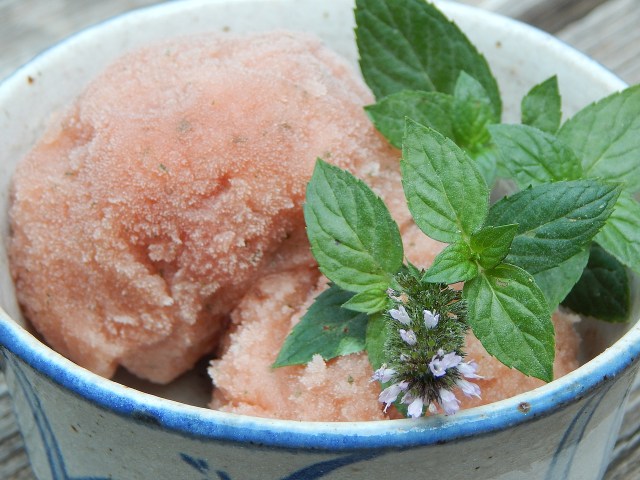
Melons may not be the first fruits you think of when you consider a dessert; apples, strawberries, raspberries, and huckleberries are all more likely candidates. But melons have the advantage of pairing their natural sweetness with a satisfyingly slurpy moisture, making them ideal for refreshing desserts. Throw in some fresh herbs for bright, contrasting notes, and you’ll successfully capture the feel of summer in a bowl or glass. Better yet, your freezer and refrigerator will let you hold onto that feeling long after temperatures have dropped.
Learn to make Watermelon–Mint Sorbet and Watermelon–Basil Shrub

Quick Food Preservation

Refrigerating, freezing, and dry storing are the trifecta of quick preservation. Learn more at TwiceasTasty.com.
Preserving your harvest often seems like a daunting, time-consuming task, involving pounds of produce, stacks of jars, and boiling kettles on some of the hottest days of the year. Large-batch canning can operate that way: as a project, albeit one that fills your pantry. But it’s not the only way to preserve what you grow. Preservation can happen every time you come in from the garden with a little more than you and your family will eat at the next meal.

Refrigerating, freezing, and dry storing are the trifecta of quick preservation. As I mentioned while describing their pros and cons last week, produce preserved in these ways requires minimal prep and handling. Most of the tools and packaging you need are likely already in your home. Storage times can vary widely with these techniques, but some tips and tricks will let you get the most out of each. Best of all, a wide range of food can be preserved simply and easily with these quick preservation techniques.
Read more about quick food preservation

Prepare to Preserve

Whatever your type of produce, storage space, or free time, you can save your harvest. Learn more at TwiceasTasty.com.
How’s your garden growing? If it’s anything like mine, you’ve moved beyond planting to weeding and harvesting—and harvesting, and harvesting. With so much food coming ripe so quickly, it’s time to dig out the canning kettle, dehydrator, crocks, and other preservation tools that will let you enjoy homegrown (or farm fresh from a CSA) produce the rest of the year.

Later this month, I’ll be teaching a free online workshop through Free the Seeds that focuses on preparing to preserve your harvest. It’s a big topic, with far more information than I can share in one session, so I’ll be expanding on that topic all month here at Twice as Tasty. Be sure to join me online July 15 so that I can answer your questions directly (sign up for the Free the Seeds mailing list to receive a registration email), and then check back here for additional tips, tools, and recipes that save your harvest. You’ll also find pages of information on basic tools and techniques here.
Read more about preparing to preserve

Adapting Desserts

Make easy desserts and three-ingredient cookies from your freezer and pantry. Get dessert recipes at TwiceasTasty.com.
I went so big on adaptable dinner ideas last week that I decided to step back and focus on just a few favorites when it comes to desserts. At least that’s my excuse—I actually find it easy to skip dessert, far easier than running out of cheese. When I do crave dessert, I’m often just as happy with a couple of squares of dark chocolate alongside a nightcap. But the rest of my family would disagree that dessert is expendable. My dad just bragged about how since he’s buying groceries less often, he’s cut back to two desserts a day.

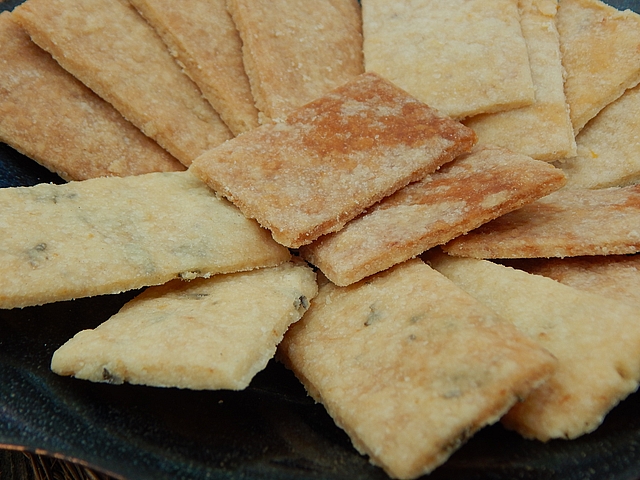
So for those with a sweet tooth, I highlight some recipes that can likely be made without a trip to the store. As a bonus, some take minimal prep time, and some don’t require dessert staples, like flour, that may be in short supply. I also give you the simplest cookie recipe you’ll ever find—shortbread—and plenty of ideas for gussying it up.
Learn to adapt desserts and make Improv Shortbread Cookies