Pickling Tools & Hacks

Use tools already in your kitchen to make pickles. Read more about pickling tools and hacks. Learn more at TwiceasTasty.com.
I’ve been hearing all week from people receiving their copies of The Complete Guide to Pickling. Now that it’s in your hands, I hope you’re excited to start making some tasty pickles. But where to begin, and what do you need?

In writing this book, I not only expanded my pickling repertoire but also tested a range of tools designed to make pickling easy and foolproof. I only had space to briefly describe some of those tools in the book, so this month I want to share some of my favorites and why you may want to add them to your pickling toolbox.

But let me be clear: you can make most of the pickles in The Complete Guide to Pickling using tools that are already in your kitchen or that you can pick up easily and cheaply. That’s how I first started pickling on my own, and I still reach for many of these tool hacks today. I recommend starting this way—you’ll quickly learn what should be at the top of your list for a tool upgrade.
Read more about pickling tools and hacks
Fun Pickles

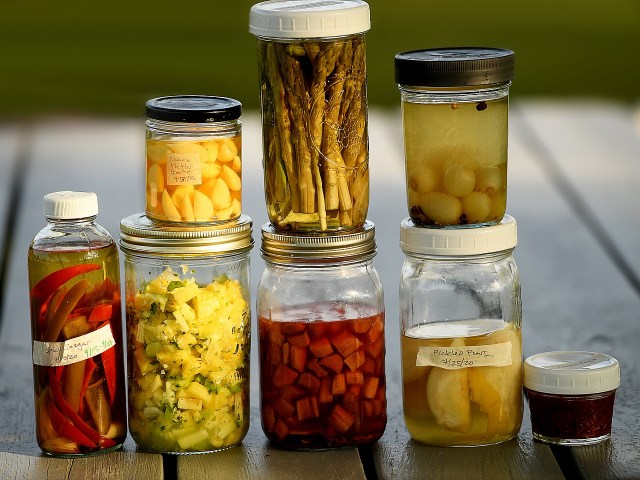
Fun Pickles. Get the recipes in The Complete Guide to Pickling by Julie Laing.
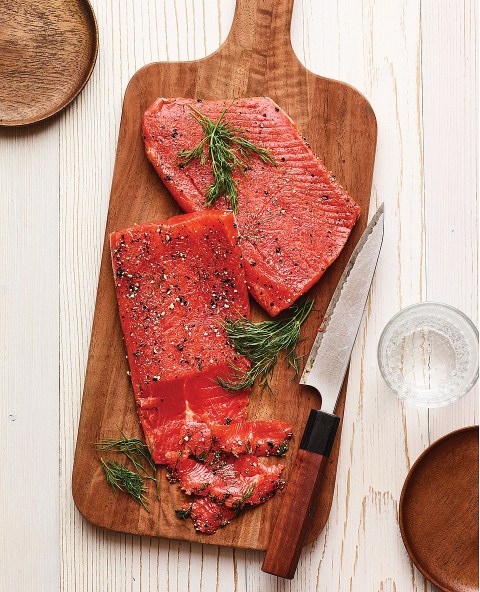
Gravlax (Salt-Cured Salmon). Photograph by Andrew Purcell.

In case you missed the news: my pickling book went on sale this week! The Complete Guide to Pickling is officially out in the world for you all to read and enjoy. As a bonus, I’ve also released The Pickled Picnic, a digital recipe collection that uses some of the pickles in my new book.

Both the book and the bonus collection are packed with fun recipes. But if you’ve been impressed by the flavors I’ve shared so far, just wait until you get to the final chapter of the book. These pickled foods will take your pickling experience to an entirely new level. I know, because that’s what they did for me.
Read more about fun pickles and learn to make Sweet Vinegar-Pickled Eggs

Fresh Pickles

Curried Green Tomatoes. Get the recipe in The Complete Guide to Pickling by Julie Laing.
Curried Green Tomatoes. Photograph by Andrew Purcell.

When most Americans think of pickles, they think of what I’ve gathered into the Fresh Pickle chapter in my new cookbook, The Complete Guide to Pickling: vegetables pickled in vinegar and either stored in the refrigerator or canned in a boiling water bath. The recipe list for that chapter includes some pickles that are likely old favorites (Kosher-Style Dill Pickles and Water Bath-Processed Beets) but also some fun, possibly new-to-you flavors (Curried Green Tomatoes and Szechuan-Spiced Cucumber Rounds).

But some of my new favorite fresh pickles fall in a later chapter of the book: Sweet and Fruity Pickles. I was surprised by how much I loved creating the pickle recipes in this chapter, because I generally turn up my nose at pickles labeled “sweet.” But that term is usually applied to pickled vegetables, like cucumbers and beets, that my brain doesn’t register as needing to be sweet. Fruit is a different story: whether I’m adding sugar or relying on the natural sugars within a fruit, my taste buds find that sweet and fruity pickles balance beautifully with the tang of vinegar or salt brine.
Read more about fresh pickles and learn to make Fresh Pears with Lemon

Quick Pickles

Pickling sweet peppers. Get the recipes in The Complete Guide to Pickling by Julie Laing.
Preparing quick pickles from bell peppers. Photograph by Andrew Purcell.

My forthcoming cookbook, The Complete Guide to Pickling, opens its recipe chapters with quick pickles. If you think you don’t have time to pickle, polished off your favorite jar, or simply ran out of patience, this chapter is for you. Quick pickles are just like they sound: snappy, zippy, and ready to eat in anywhere from 15 minutes to 24 hours. They typically need just a handful of ingredients and a few minutes of prep. I make them in small, speedy batches.

A few tricks made it easy for me to create 25 recipes for the Quick Pickle chapter. Some use delicate vegetables, like avocados. Others thinly slice, smash, or grate their main ingredients, like Szechuan-inspired Smashed Cucumbers, Roasted Beet Pickles, and Ginger-Spiked Carrot and Apple Pickle. Some, like the Bell Pepper Slices in the photo, could be stored but lose their brightness over time. You’ll find other quick pickles scattered throughout The Complete Guide to Pickling: Sambal Oelek and Harissa are chile pastes that can be used as soon as they are made, several fresh salsa recipes are prep and eat, and many pickles based on fragile fruit, such as blackberries, peaches, and strawberries, are best the day they’re made.
Read more about quick pickles and learn to make Russian-Inspired Pickled Mushrooms

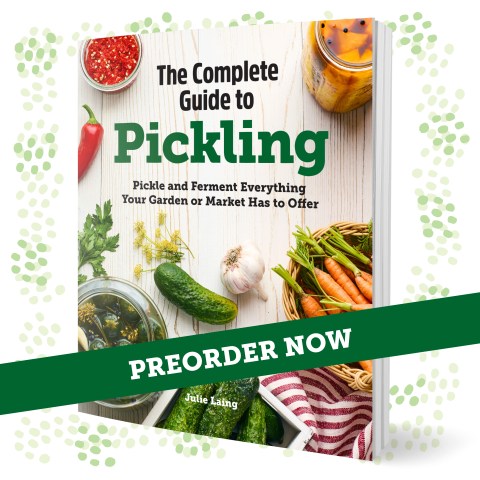
The Complete Guide to Pickling

I’m excited to officially announce that my first cookbook is coming out. Read more about The Complete Guide to Pickling at TwiceasTasty.com.
After a lot of hard work for the past several months, I’m excited to officially announce that my first cookbook is coming out: The Complete Guide to Pickling. It’s packed with essential information and 125 flavorful recipes, including homegrown classics and international flavors. You’ll find straightforward and scrumptious recipes for quick, fresh, and fermented pickles, as well as sweet and fruity pickles, hot sauces, relishes, salsas, krauts, chutneys, and more.

This month’s posts will focus on the book, including sneak peaks at recipes, bonus info about the project, and a new digital recipe collection that uses the pickles.
Read more about my new cookbook

Watermelon Treats

Melons’ natural sweetness and juiciness make them ideal for refreshing desserts. Get watermelon recipes at TwiceasTasty.com.
It looks like today could be the last 80°F day of the season in my area, so it’s the best time to enjoy a refreshing, cold, fruity dessert. Watermelon are still available in the local markets, and homegrown ones are still ripening on the vine. They won’t last much longer in the shops or the greenhouse.

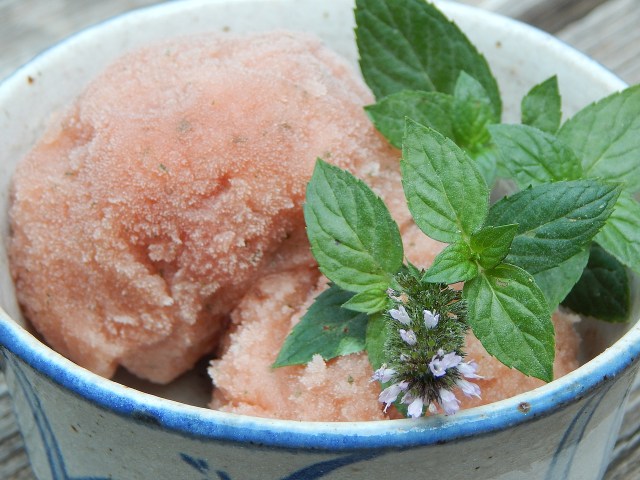
Melons may not be the first fruits you think of when you consider a dessert; apples, strawberries, raspberries, and huckleberries are all more likely candidates. But melons have the advantage of pairing their natural sweetness with a satisfyingly slurpy moisture, making them ideal for refreshing desserts. Throw in some fresh herbs for bright, contrasting notes, and you’ll successfully capture the feel of summer in a bowl or glass. Better yet, your freezer and refrigerator will let you hold onto that feeling long after temperatures have dropped.
Learn to make Watermelon–Mint Sorbet and Watermelon–Basil Shrub

Quick Food Preservation

Refrigerating, freezing, and dry storing are the trifecta of quick preservation. Learn more at TwiceasTasty.com.
Preserving your harvest often seems like a daunting, time-consuming task, involving pounds of produce, stacks of jars, and boiling kettles on some of the hottest days of the year. Large-batch canning can operate that way: as a project, albeit one that fills your pantry. But it’s not the only way to preserve what you grow. Preservation can happen every time you come in from the garden with a little more than you and your family will eat at the next meal.

Refrigerating, freezing, and dry storing are the trifecta of quick preservation. As I mentioned while describing their pros and cons last week, produce preserved in these ways requires minimal prep and handling. Most of the tools and packaging you need are likely already in your home. Storage times can vary widely with these techniques, but some tips and tricks will let you get the most out of each. Best of all, a wide range of food can be preserved simply and easily with these quick preservation techniques.
Read more about quick food preservation

Prepare to Preserve

Whatever your type of produce, storage space, or free time, you can save your harvest. Learn more at TwiceasTasty.com.
How’s your garden growing? If it’s anything like mine, you’ve moved beyond planting to weeding and harvesting—and harvesting, and harvesting. With so much food coming ripe so quickly, it’s time to dig out the canning kettle, dehydrator, crocks, and other preservation tools that will let you enjoy homegrown (or farm fresh from a CSA) produce the rest of the year.

Later this month, I’ll be teaching a free online workshop through Free the Seeds that focuses on preparing to preserve your harvest. It’s a big topic, with far more information than I can share in one session, so I’ll be expanding on that topic all month here at Twice as Tasty. Be sure to join me online July 15 so that I can answer your questions directly (sign up for the Free the Seeds mailing list to receive a registration email), and then check back here for additional tips, tools, and recipes that save your harvest. You’ll also find pages of information on basic tools and techniques here.
Read more about preparing to preserve

Smoked Cherries

Twice as Tasty’s birthday month seems the perfect time to share my newest favorite way to enjoy tart cherries. Get home-smoked recipes at TwiceasTasty.com.
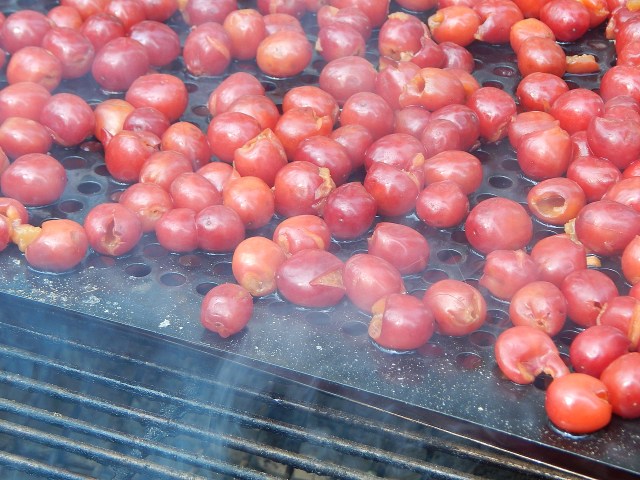
I’m keeping an impatient eye on my sour cherry tree, waiting for the green fruit to ripen, just so that I can pick, destem, pit, and smoke the fruit. That’s right—smoked cherries. Although my cherry tree is still stubbornly green, Twice as Tasty’s birthday month seems the perfect time to share my newest favorite way to enjoy the tart fruit.

We expanded our smoking repertoire last year after having had such success turning smoked chilies into a spicy paste and enjoying roasted and smoked beets on numerous sandwiches, including Vegetarian Smoked-Beet Reuben. Broccoli and asparagus both received the flavorful treatment, and we continue to smoke an array of store-bought and homemade cheeses. But cherries became the icing on the cake—or should I say, the garnish of the cocktail.
Learn to make Smoked Cherries and Bourbon-Infused Smoked Cherries

Pickling Cookbook Update

I apologize for regular no blog post today. I just filed the last of 125 recipes for my forthcoming pickling cookbook (scheduled for release this fall). Hooray! But I must admit: I’m out of words at the moment. Look for a fresh post next week. In the meantime, I proudly present some beautiful test batches for your viewing pleasure. This book is going to be delicious.

My first cookbook is scheduled for release in fall 2020. Learn more at TwiceasTasty.com.
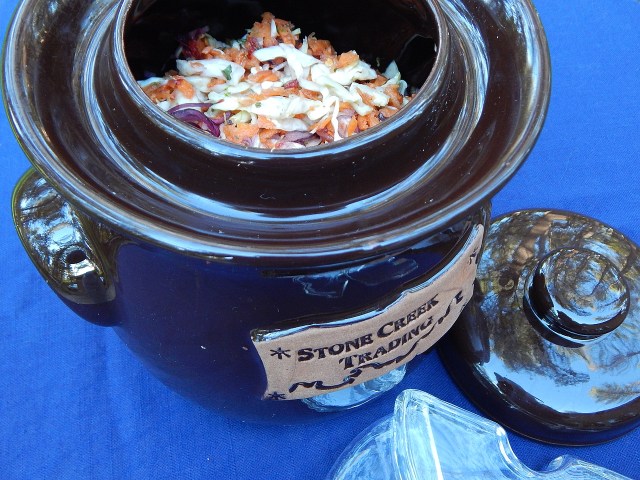
First ferment in my new crock from Stone Creek Trading

See more photos