Kitchen Favorites: Snack Bowls

Testing kitchen products puts pieces in my hands that I never would have bought yet now find they fit perfectly into my tiny kitchen. Learn more at TwiceasTasty.com.
Testing kitchen products for The Spruce Eats puts pieces in my hands that I never would have sought out, like the four Corelle Classic Winter Frost White Bowls I feature in my latest article for the website. These 12-ounce bowls were chosen by another writer as part of a cereal bowl roundup, but after they arrived at my house for testing, it was clear I wanted to bump up a size. Instead of immediately returning the bowls, I held onto them to judge their overall usefulness—and decided they were worth the shelf space to keep permanently.

I rarely eat cereal from these bowls, reserving that for a larger-capacity set that I tested and kept for sailing, picnicking, road tripping, and more. But Corelle’s smaller bowls travel just as well. I use them often at home, too, for snacks, small portions, meal prep, and serving.
Learn about choosing and using snack bowls

A Little Sweetness

Recipes with a little sweetness use what’s in season and in your pantry. Learn more at TwiceasTasty.com.
I’m going to keep this post short, because my mind is still buried in pickles and my forthcoming cookbook. You’ve been hearing about it vaguely for months, and official announcements, giveaways, launch party invites, and more are on their way to newsletter subscribers and blog followers in the coming weeks. (But since you’re reading this, you may want to check out the preorder page on Amazon.) And next month, I’ll be sharing recipes directly from the book.

In the meantime, I thought a break from pickles might be good for me—and you. So this month, I’ll be sharing some sweeter recipes that use what’s in season and in your pantry.
Read more about a little sweetness

Classic Jams

I’ve turned from my mom’s classic recipes to more fruit-forward jams. Get homemade jam recipes at TwiceasTasty.com.
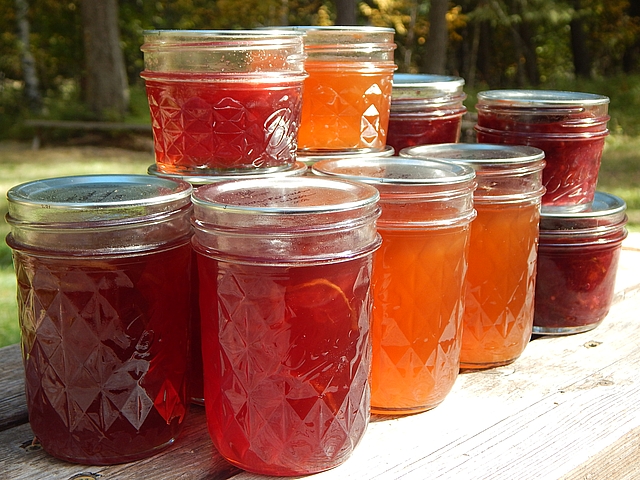
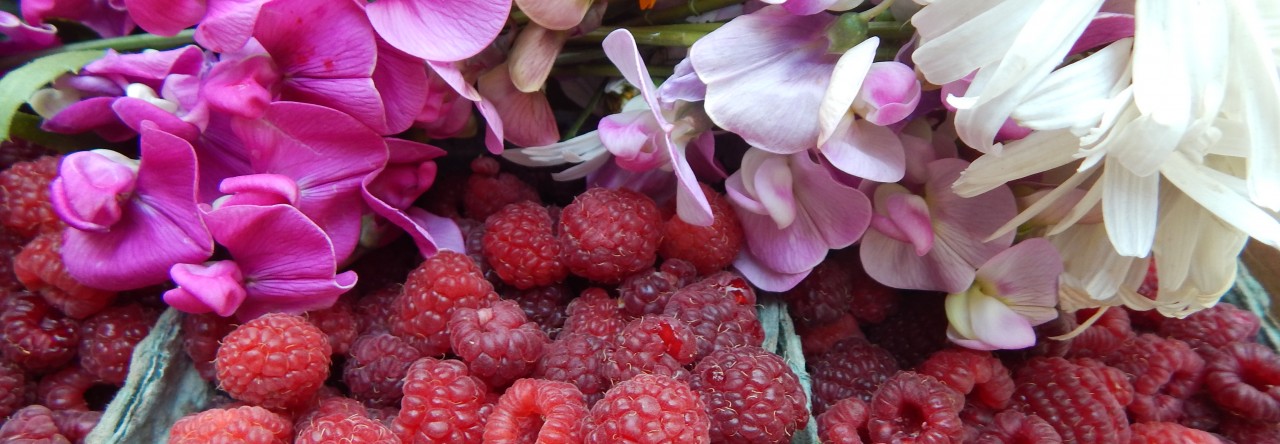
As a kid, jam making dominated the summer berry and fruit season. My dad grew much of the fruit: rows of strawberries ripened not long after school let out, and raspberries, boysenberries, and loganberries, which my dad started with cuttings from my grandfather’s vines, came on midsummer. Raspberries were always my favorite: I learned from my mom to fill small canning jars with fresh berries using a classic recipe straight out of the Ball Blue Book, with fruit, lemon juice, powdered pectin, and lots of sugar.

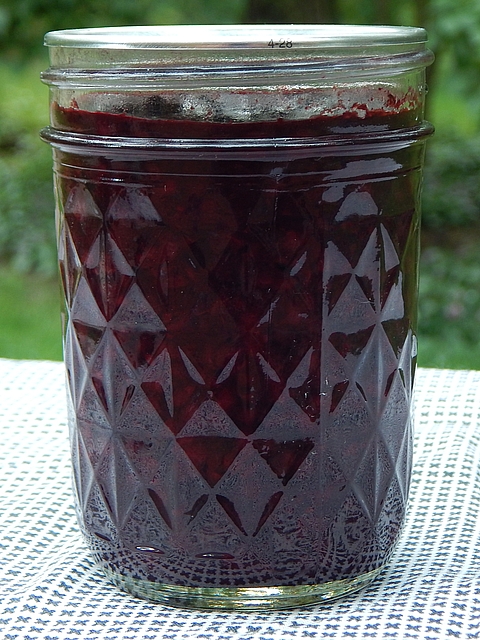
That last bit is the reason I’ve turned from my childhood recipes to updated versions using Pomona’s Universal Pectin whenever I want to can any jam with added pectin. It jells with little or no sweetener and is vegan (it’s extracted from citrus peel and activated by calcium). You can get about four batches instead of the usual one from each box of pectin, and although you risk a softer set, I’ve successfully cooked multiple batches at once. The first jam I ever made with it, more than 10 years ago and using a blend of berries, is still one of my favorites. I soon followed it with a version using my favorite sour cherries.
Learn to make Tart Berry Jam and Sour Cherry Jam

Canning Classics

I’m turning back the clock to classic canning recipes and my first steps in improving upon them. Learn more at TwiceasTasty.com.
In looking back over the last 3 years of Twice as Tasty recipes, I realized there’s a gap in my story of home canning and other adventures in the kitchen. A lot of people have been asking for this story lately, usually phrased as “How did you get started making all of this?” I respond with my childhood food memories: gardening with my dad, canning with my mom, baking with my grandma, berry picking with my sister.

I’ve shared a few family recipes on the blog, but with canning in particular I’ve skipped over the recipes that got me hooked on home-canned food, jumping straight to those I love today. These newer recipes tend to be more complex in flavor and sometimes technique than the jars that filled my childhood and first adult canning cupboards. They’re worth every minute of extra effort. But this month I’ll turn back the clock to some classic flavors and my first steps in improving upon them.
Read more about classic canning recipes

More Rhubarb

Paired syrup and jam recipes highlight the essence of Twice as Tasty food. Get rhubarb recipes at TwiceasTasty.com.
I always think that I have plenty of ways to enjoy rhubarb, and then I come across another idea or recipe. It’s a good thing, because in my shaded, woodland garden, rhubarb grows all summer without bolting, and my two plants can easily yield what I need for this week’s recipes in one harvest.

These recipes highlight the essence of Twice as Tasty food: You start with one basic ingredient. You use it to its fullest extent. And you ideally come out of one prep session with multiple products—in this case, jars of syrup and jam. As you’ll see when you read the recipes, they’re heavily linked to each other. But they also build on two previously posted recipes that use gingerroot and vanilla bean. So really, all this multitasking in the kitchen uses three ingredients to their fullest extent and ties into four products. This is the kind of stuff I geek out on, but hopefully I’ve made it easy for you to enjoy the results.
Learn to make Rhubarb–Ginger Syrup and Rhubarb–Earl Grey Jam

Peanut Butter

You’ll fall for these peanut butter cookies that can be enjoyed year-round and dressed up for special occasions. Get cookie recipes at TwiceasTasty.com.
Call it tradition, call it an excuse to eat sweets, but December calls most of us to bake cookies. My family’s cookie routine starts just after Thanksgiving, when we prepare Vanilla Bean Cookies and Chocolate Rum Balls so that they can “ripen” in time for Christmas. Many other cookies follow, with old favorites and new flavors filling the holiday platter when the family finally gathers.

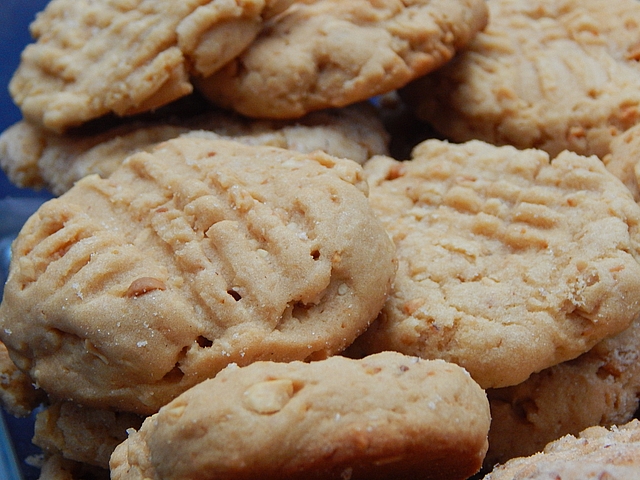
Many holiday cookies only appear once a year, but I always add some all-occasion cookies to the plate. I tackled peanut butter cookies this year. These cookies have been around for close to a century, with most sources attributing the classic crosshatched pattern to a 1930s Pillsbury cookbook. But many recipes specifically avoid natural peanut butters and instead pile extra sweeteners onto commercial peanut butters already heavy on the sugar and hydrogenated oils. Recipes I’ve tried that call for freshly ground peanut butter turn out more peanut slab than cookie. By testing and tweaking basic cookie ratios, I came up with a version that can be enjoyed year-round and dressed up for special occasions.
Learn to make Freshly Ground Peanut Butter Cookies and Peanut–Ganache Thumbprint Cookies

Savory Spreads: Toms and Zukes

High-pectin, high-acid fruits are natural partners for low-pectin, low-acid vegetables in savory spreads. Get canning recipes at TwiceasTasty.com.

The first savory spread I canned, from Liana Krissoff’s Canning for a New Generation, featured tomatoes and basil. It inspired me not only to evolve the recipe but also to make other spreads that feature vegetables. Krissoff’s book also showed me the advantages of incorporating fresh fruit into these spreads. Pectin occurs naturally in fruits, and some fruits, like apples and oranges, have lots of it. Most fruits also have enough natural acid that you don’t need to add vinegar to preserve them safely. This makes them natural partners for low-pectin, low-acid vegetables.

In this week’s recipes, the apples don’t have to look or even taste perfect: you’re mainly interested in their pectin. So save your sweetest apples for fresh eating and use tart, underripe ones with your tomato and zucchini. You also have lots of choices for tomatoes and basil, but for the prettiest jars, stick to one color of each per batch.

Learn to make Tomato–Apple–Basil Jam and Fall Marmalade

Sweet and Savory

Savory spreads come in many styles, have many names, and can use fruits and vegetables. Learn more at TwiceasTasty.com.

When we think of homemade preserves and spreads, we often picture the sweet fruits of summer, like berries and cherries. But they can be so much more, especially in fall. Late-ripening tomatoes and peppers and fall-harvested onions, apples, and plums are just a few of my favorite ingredients in jams, jellies, and other spreads.

You might be thinking, “Do you really put vegetables in jam?” Yes, I do! These savory spreads are thick with flavor but not as sweet as spring and summer spreads. Because many of the vegetables are low in acid, they need to be treated differently from fruit preserves. Some have a fair amount of sugar, some are heavy on vinegar or another acidic ingredient, and many use a combination of both to create a sweet and savory blend that’s safe to process in a boiling water bath.

Read more about making savory spreads