A Little Sweetness

Recipes with a little sweetness use what’s in season and in your pantry. Learn more at TwiceasTasty.com.
I’m going to keep this post short, because my mind is still buried in pickles and my forthcoming cookbook. You’ve been hearing about it vaguely for months, and official announcements, giveaways, launch party invites, and more are on their way to newsletter subscribers and blog followers in the coming weeks. (But since you’re reading this, you may want to check out the preorder page on Amazon.) And next month, I’ll be sharing recipes directly from the book.

In the meantime, I thought a break from pickles might be good for me—and you. So this month, I’ll be sharing some sweeter recipes that use what’s in season and in your pantry.
Read more about a little sweetness
Choosing Grilling Vegetables

This list of vegetable grilling choices will remind you of favorite options and inspire you to try new ones. Learn more at TwiceasTasty.com.
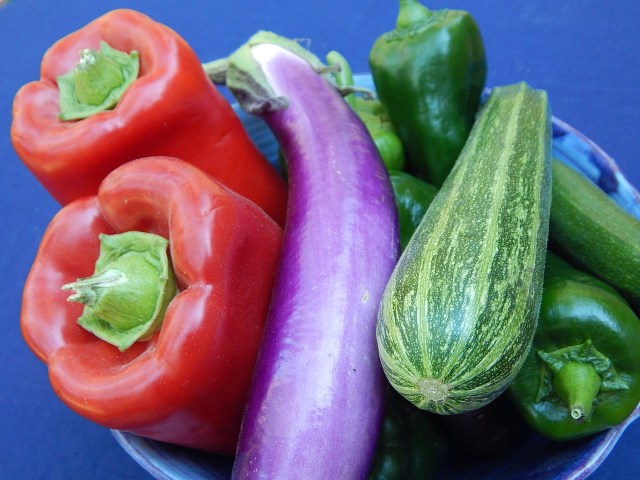
At the peak of harvest, the biggest challenge when firing up the grill is choosing what to put on it. Do I want to roast that basket of peppers or let them sit longer to develop more color? Should I work through those giant bowls of tomatoes and tomatillos? Did I harvest eggplant, or broccoli, or corn? Is there extra room for vegetables that will keep longer, like onions, beets, and garlic, but would be tasty tonight?

When the pace of harvest slows, the question often becomes, What can’t I put on the grill? The answer is surprisingly little. From fruit to breadsticks and pizza to fish, it all tastes delicious when cooked over coals. Vegetables by far make up my largest grilling category. Hopefully this list will remind you of favorite options and inspire you to try new ones.
Read more about choosing grilling veg

One Prep, Two Meals: Grilled Peppers

Grilled peppers upgrade many quick, easy meals. Get one prep, two meal recipes at TwiceasTasty.com.
If you search through the blog’s recipe index, it quickly becomes obvious that grilling and smoking are my favorite ways to prepare peppers. Sure, raw peppers add a crisp, sweet flavor to everything from salads to summer rolls. But quickly cut free their cores and place them on a hot grill, and you have an immediate upgrade to salsas, sauces, kebabs, black bean burgers, and even canning projects. Set them on a grill over low heat and smoking woodchips, and you can smoke chilies until they are dry enough to store for winter use or just enough to puree them into my favorite chili paste.

For many of these uses, I’m grilling bumper crops of peppers until I run out of coals. But you can enjoy the same intense flavor with just a pepper or two for a weeknight meal. Better yet, make room for just a little extra veg and you can prep two meals at once. I lean toward pasta on the grilling night: I multitask by cooking the pasta while I’m prepping or monitoring the grill, and then I make a creamy sauce base while I’m waiting for the peppers to cool enough to peel. The next night, all I need to do is chop up the grilled veg before stirring it into batter for savory pancakes.
Learn to make Creamy Grilled Bell Pepper Pasta and Grilled Pepper Pancakes with Goat Cheese

Fired Up

Cooking over fire is simple and adaptable for not just meats but also vegetables and fruit. Learn more at TwiceasTasty.com.
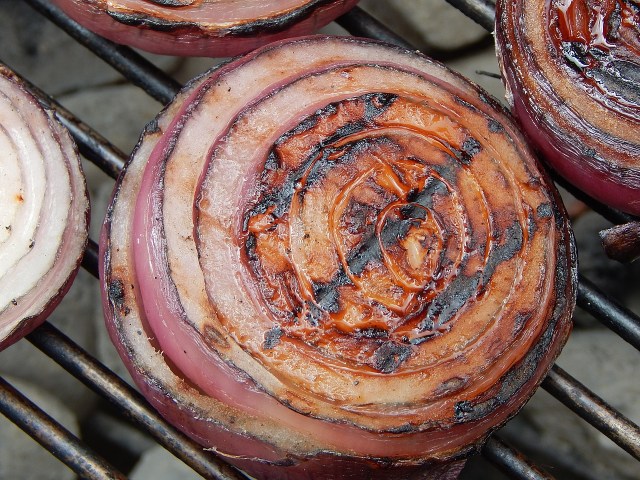
This time of year, I’m always fired up about preparing food on the grill. Just this last week, I was grilling sourdough pizza aboard the Blue Mule and smoking cherries to infuse in bourbon and to pickle. Although I throw plenty of more traditional foods on the grill, like shrimp and fish, I increasingly fill my beat-up Weber kettle grill with vegetables and fruit.

The Twice as Tasty collection of grilling and smoking recipes has grown large enough that I recently broke it into its own category on the Recipes page. But many preparations are so simple and adaptable that once you get the hang of how your grill or smoker handles produce, you’ll realize you don’t need a recipe and can use the tool to prepare multiple meals and even frozen or canned treats.
Read more about grilling and smoking your harvest

Prepare to Pickle

Pickling lets you extend the life of almost everything you grow. Learn more at TwiceasTasty.com.
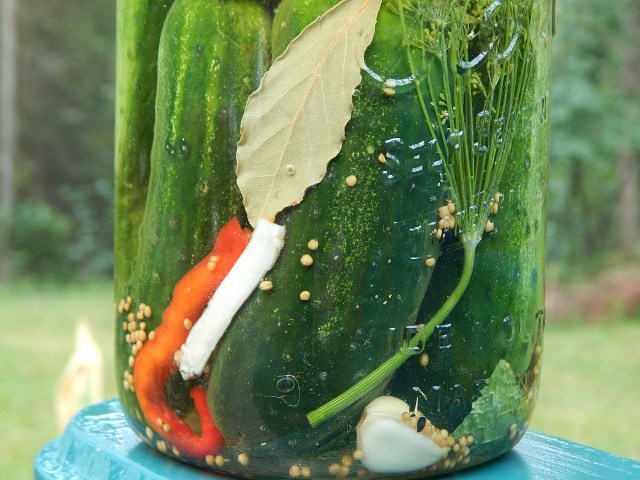
Pickling lets you extend the life of almost everything you grow. You can pickle and eat your creation quickly, or you can let the jars sit for weeks to slowly preserve and flavor the produce.

As I mentioned while describing the pros and cons of pickling, the process, whether using vinegar or salt brine, safely preserves low-acid foods and can be varied to incorporate your favorite flavors and the size of your harvest. Pickling is a preservation technique but not a storage one; you need to pair it with canning or refrigerating. Some tips and tricks will help you successfully make pickles.

Read more about preparing to pickle

Prepare to Can

You know you’re serious about preserving homegrown food when you start canning in your kitchen. Learn more at TwiceasTasty.com.
You know you’re serious about preserving homegrown food when you start canning in your kitchen. As summer temperatures peak and the garden explodes, canning supplies take up semipermanent residence on the kitchen counter, and many evenings feature the “ping” of sealing jars.

As I mentioned while describing the pros and cons of canning, it’s a time-consuming process with must-follow rules and specialized tools. That’s part of why I’m such a fan of canning large batches and even multiple batches: If I’m going to spend the time, I want to fill a row of jars. Otherwise, I choose a quick preservation method like refrigerating or freezing. I even stash produce in the fridge or freezer to can later when I have a decent stockpile and more time. Doing so breaks up the canning process, making it seem less of a project.

Even though they take effort, canning projects are worth it, and some of my most delicious preservation recipes are stored stably and safely at room temperature in jars.
Read more about water-bath canning

Prepare to Dehydrate

Dehydration is simple and handy in the kitchen and on adventures.  Learn more at TwiceasTasty.com.
As you prepare to preserve your harvest, it’s easy to overlook a simple and effective technique: dehydration. The process provides nutritional, flavor, and storage benefits and both preserves and enhances a surprising range of foods. Dried foods are handy not just in your kitchen but also in your child’s lunchbox, the stem bag on your bike, the front pouch on your daypack, and your ski jacket pocket.

Like most preservation techniques, dehydrating has pros and cons. On the upside, dehydrating intensifies the flavor of food, saves space, and needs little hands-on time. On the downside, food that isn’t fully dried or properly stored can mold. And although you can dehydrate in open air, you’ll get the best control over moisture, heat, and other factors is you use a dehydrator.
Learn to dehydrate and make Marinated Dried Tomatoes

Quick Food Preservation

Refrigerating, freezing, and dry storing are the trifecta of quick preservation. Learn more at TwiceasTasty.com.
Preserving your harvest often seems like a daunting, time-consuming task, involving pounds of produce, stacks of jars, and boiling kettles on some of the hottest days of the year. Large-batch canning can operate that way: as a project, albeit one that fills your pantry. But it’s not the only way to preserve what you grow. Preservation can happen every time you come in from the garden with a little more than you and your family will eat at the next meal.

Refrigerating, freezing, and dry storing are the trifecta of quick preservation. As I mentioned while describing their pros and cons last week, produce preserved in these ways requires minimal prep and handling. Most of the tools and packaging you need are likely already in your home. Storage times can vary widely with these techniques, but some tips and tricks will let you get the most out of each. Best of all, a wide range of food can be preserved simply and easily with these quick preservation techniques.
Read more about quick food preservation

Prepare to Preserve

Whatever your type of produce, storage space, or free time, you can save your harvest. Learn more at TwiceasTasty.com.
How’s your garden growing? If it’s anything like mine, you’ve moved beyond planting to weeding and harvesting—and harvesting, and harvesting. With so much food coming ripe so quickly, it’s time to dig out the canning kettle, dehydrator, crocks, and other preservation tools that will let you enjoy homegrown (or farm fresh from a CSA) produce the rest of the year.

Later this month, I’ll be teaching a free online workshop through Free the Seeds that focuses on preparing to preserve your harvest. It’s a big topic, with far more information than I can share in one session, so I’ll be expanding on that topic all month here at Twice as Tasty. Be sure to join me online July 15 so that I can answer your questions directly (sign up for the Free the Seeds mailing list to receive a registration email), and then check back here for additional tips, tools, and recipes that save your harvest. You’ll also find pages of information on basic tools and techniques here.
Read more about preparing to preserve

Strawberries

This month I’m drinking my dessert and eating it too. Get cocktail and dessert recipes at TwiceasTasty.com.
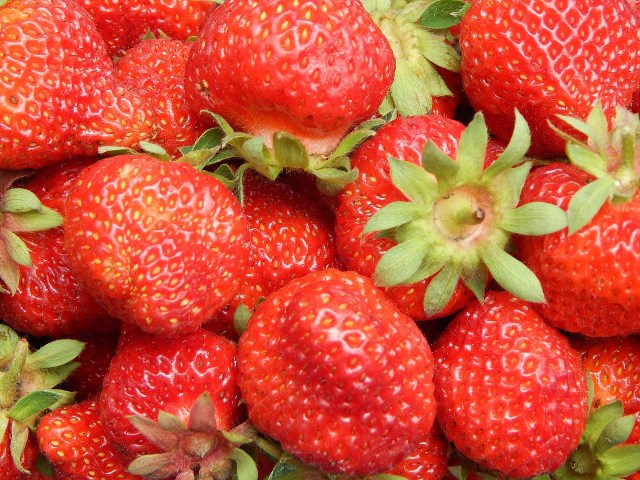
If you follow Twice as Tasty on Instagram or Facebook, you won’t be surprised by the topic for this week’s blog post. That photo I shared of Monday’s strawberry harvest from the garden surpassed 12 pounds. No wonder I was tired of picking them by the time I was finished.

Most of those berries will end up as syrup, because it tops my sister’s Christmas wish list every year. As a bonus, I get to keep the roasted fruit solids, turning some into jam and simply freezing the rest in ice-cube trays to drop into smoothies and hot cereal next winter. Some of the fresh ones have already been gobbled up on my morning granola with Fresh Yogurt and my daily salads. But I couldn’t resist baking some into a Twice as Tasty birthday dessert.

I must admit: my fruit-syrup-loving sibling is also the dessert fiend, and I tend to drink my “special treats.” So last week’s post featuring Bourbon-Infused Smoked Cherries appears more often on the “dessert” menu from my kitchen than cakes and cookies. But for birthday month, you can have all the dessert you want, right? So this month I’m drinking my dessert and eating it too—as a simple yet delicious strawberry pudding cake, or clafouti.
Learn to make clafouti with strawberries and other fruit