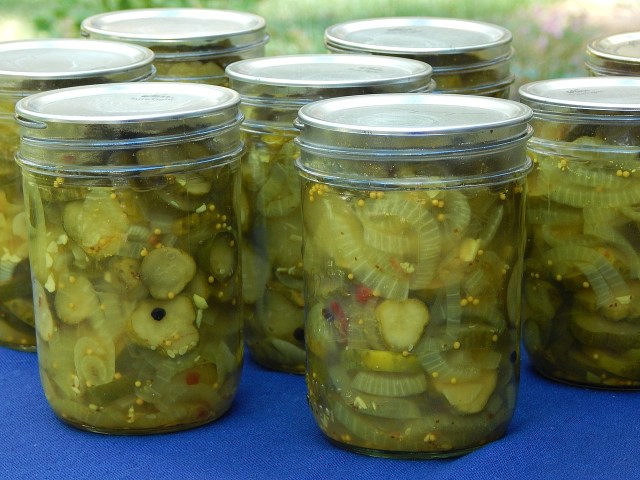
Canning Tools for Picklers

Some of my favorite tools make home-canning easier, safer, and more reliable. Learn more at TwiceasTasty.com.
Start making pickles, and you may quickly run out of refrigerator space. But don’t let that slow you down. Instead, consider canning your pickles.

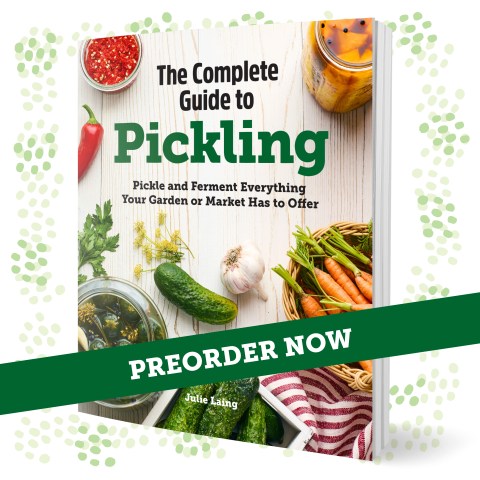
As I explain in the opening chapter of my new book, The Complete Guide to Pickling, space is the primary reason I process pickles. Many pickles taste better and stay crisper, and fermented ones keep their probiotic goodness, when you don’t subject them to a boiling water bath. But some pickles hold up well to high heat, including beets, snap beans, and (when handled properly) cucumbers. Other pickled foods are ideal for canning, including many of the chutneys, sauces, relishes, and sauces in my book.

If you already can jams, jellies, and fruit in a boiling water bath, you likely have everything you need in your kitchen to can pickles. But if you’re new to canning or have been using some tool hacks to process your jars, a few tools will make your home canning easier, safer, and more reliable.
Read more about canning tools for picklers
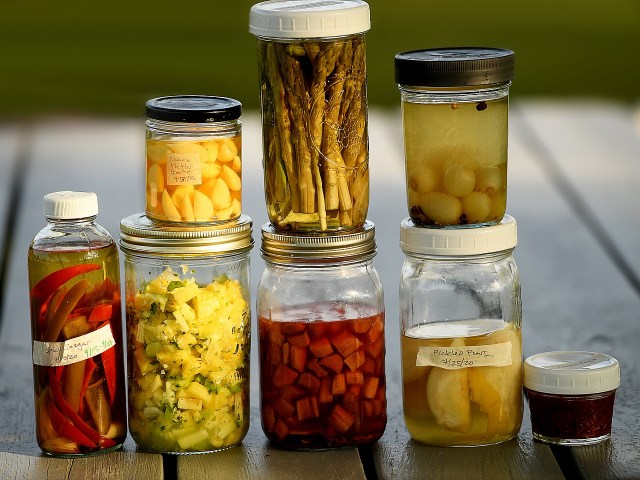
Pickling Tools & Hacks

Use tools already in your kitchen to make pickles. Read more about pickling tools and hacks. Learn more at TwiceasTasty.com.
I’ve been hearing all week from people receiving their copies of The Complete Guide to Pickling. Now that it’s in your hands, I hope you’re excited to start making some tasty pickles. But where to begin, and what do you need?

In writing this book, I not only expanded my pickling repertoire but also tested a range of tools designed to make pickling easy and foolproof. I only had space to briefly describe some of those tools in the book, so this month I want to share some of my favorites and why you may want to add them to your pickling toolbox.

But let me be clear: you can make most of the pickles in The Complete Guide to Pickling using tools that are already in your kitchen or that you can pick up easily and cheaply. That’s how I first started pickling on my own, and I still reach for many of these tool hacks today. I recommend starting this way—you’ll quickly learn what should be at the top of your list for a tool upgrade.
Read more about pickling tools and hacks

Fresh Pickles

Curried Green Tomatoes. Get the recipe in The Complete Guide to Pickling by Julie Laing.
Curried Green Tomatoes. Photograph by Andrew Purcell.

When most Americans think of pickles, they think of what I’ve gathered into the Fresh Pickle chapter in my new cookbook, The Complete Guide to Pickling: vegetables pickled in vinegar and either stored in the refrigerator or canned in a boiling water bath. The recipe list for that chapter includes some pickles that are likely old favorites (Kosher-Style Dill Pickles and Water Bath-Processed Beets) but also some fun, possibly new-to-you flavors (Curried Green Tomatoes and Szechuan-Spiced Cucumber Rounds).

But some of my new favorite fresh pickles fall in a later chapter of the book: Sweet and Fruity Pickles. I was surprised by how much I loved creating the pickle recipes in this chapter, because I generally turn up my nose at pickles labeled “sweet.” But that term is usually applied to pickled vegetables, like cucumbers and beets, that my brain doesn’t register as needing to be sweet. Fruit is a different story: whether I’m adding sugar or relying on the natural sugars within a fruit, my taste buds find that sweet and fruity pickles balance beautifully with the tang of vinegar or salt brine.
Read more about fresh pickles and learn to make Fresh Pears with Lemon

The Complete Guide to Pickling

I’m excited to officially announce that my first cookbook is coming out. Read more about The Complete Guide to Pickling at TwiceasTasty.com.
After a lot of hard work for the past several months, I’m excited to officially announce that my first cookbook is coming out: The Complete Guide to Pickling. It’s packed with essential information and 125 flavorful recipes, including homegrown classics and international flavors. You’ll find straightforward and scrumptious recipes for quick, fresh, and fermented pickles, as well as sweet and fruity pickles, hot sauces, relishes, salsas, krauts, chutneys, and more.

This month’s posts will focus on the book, including sneak peaks at recipes, bonus info about the project, and a new digital recipe collection that uses the pickles.
Read more about my new cookbook

Prepare to Pickle

Pickling lets you extend the life of almost everything you grow. Learn more at TwiceasTasty.com.
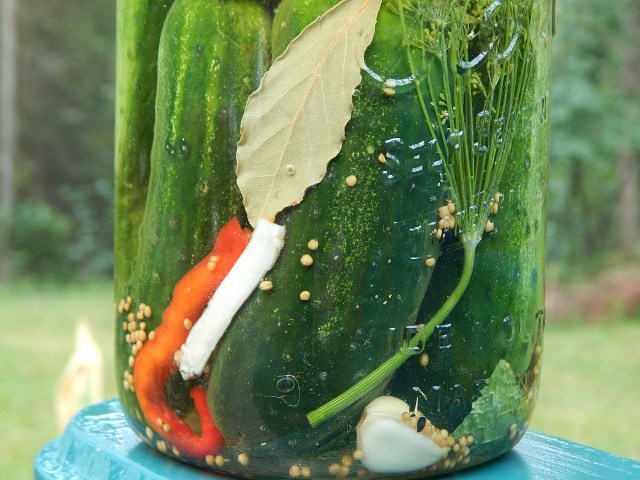
Pickling lets you extend the life of almost everything you grow. You can pickle and eat your creation quickly, or you can let the jars sit for weeks to slowly preserve and flavor the produce.

As I mentioned while describing the pros and cons of pickling, the process, whether using vinegar or salt brine, safely preserves low-acid foods and can be varied to incorporate your favorite flavors and the size of your harvest. Pickling is a preservation technique but not a storage one; you need to pair it with canning or refrigerating. Some tips and tricks will help you successfully make pickles.

Read more about preparing to pickle

Prepare to Can

You know you’re serious about preserving homegrown food when you start canning in your kitchen. Learn more at TwiceasTasty.com.
You know you’re serious about preserving homegrown food when you start canning in your kitchen. As summer temperatures peak and the garden explodes, canning supplies take up semipermanent residence on the kitchen counter, and many evenings feature the “ping” of sealing jars.

As I mentioned while describing the pros and cons of canning, it’s a time-consuming process with must-follow rules and specialized tools. That’s part of why I’m such a fan of canning large batches and even multiple batches: If I’m going to spend the time, I want to fill a row of jars. Otherwise, I choose a quick preservation method like refrigerating or freezing. I even stash produce in the fridge or freezer to can later when I have a decent stockpile and more time. Doing so breaks up the canning process, making it seem less of a project.

Even though they take effort, canning projects are worth it, and some of my most delicious preservation recipes are stored stably and safely at room temperature in jars.
Read more about water-bath canning

Prepare to Preserve

Whatever your type of produce, storage space, or free time, you can save your harvest. Learn more at TwiceasTasty.com.
How’s your garden growing? If it’s anything like mine, you’ve moved beyond planting to weeding and harvesting—and harvesting, and harvesting. With so much food coming ripe so quickly, it’s time to dig out the canning kettle, dehydrator, crocks, and other preservation tools that will let you enjoy homegrown (or farm fresh from a CSA) produce the rest of the year.

Later this month, I’ll be teaching a free online workshop through Free the Seeds that focuses on preparing to preserve your harvest. It’s a big topic, with far more information than I can share in one session, so I’ll be expanding on that topic all month here at Twice as Tasty. Be sure to join me online July 15 so that I can answer your questions directly (sign up for the Free the Seeds mailing list to receive a registration email), and then check back here for additional tips, tools, and recipes that save your harvest. You’ll also find pages of information on basic tools and techniques here.
Read more about preparing to preserve

Twice as Tasty Turns 4

Twice as Tasty turns 4 this month! Read more about what’s new at TwiceasTasty.com.
I can hardly believe it: Twice as Tasty turns 4 this month! It’s been a year of growth and change, particularly with my focus in recent months on writing my first cookbook. But the blog and Twice as Tasty Live have grown in other areas as well, with a jump in online readership, an explosion of interest in baking with sourdough, and more workshops focused on eating well year-round.

Thanks for being part of the journey—your interest, questions, and feedback keep me returning to my computer each week to share new recipes, techniques, and ideas. Many of these can be found in the ever-growing recipe index. If you’ve been following along steadily, let me jog your memory with a few of the year’s highlights. If you’re new to the blog or have missed some of the latest news, here’s your chance to catch up. Skip down the page for more on what’s in store for the rest of the year.
Read more about what’s new at Twice as Tasty

Pickling Cookbook Update

I apologize for regular no blog post today. I just filed the last of 125 recipes for my forthcoming pickling cookbook (scheduled for release this fall). Hooray! But I must admit: I’m out of words at the moment. Look for a fresh post next week. In the meantime, I proudly present some beautiful test batches for your viewing pleasure. This book is going to be delicious.

My first cookbook is scheduled for release in fall 2020. Learn more at TwiceasTasty.com.
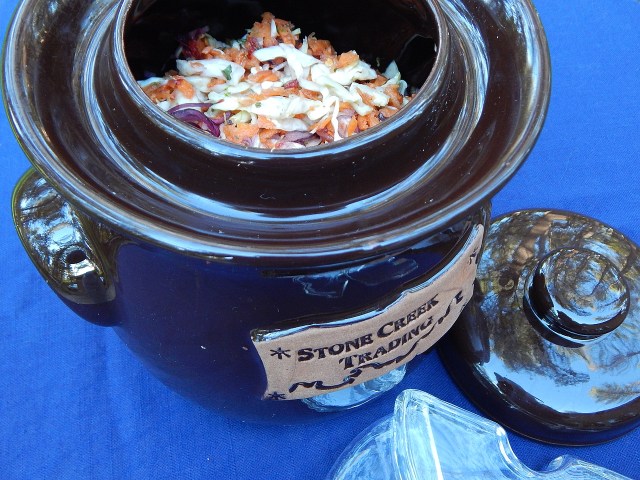
First ferment in my new crock from Stone Creek Trading

See more photos

Taking Stock

Amid signs of the steady march toward spring, it’s time to take stock of your last saved harvest. Learn more at TwiceasTasty.com.
Growing food has been on my mind: I’ve been busy prepping for a sprout-growing workshop this week and organizing next month’s Free the Seeds event. You too are probably noticing the steady march toward spring as bright seed catalogs arrive regularly and storage vegetables beg to be front and center in your meals. Now’s the time to take stock of what you’ve saved from your last growing season, particularly what you’ve used and what’s left.
Read more about taking stock of stored food